

How Can You Develop a Positive Self Presentation in Social Environments?
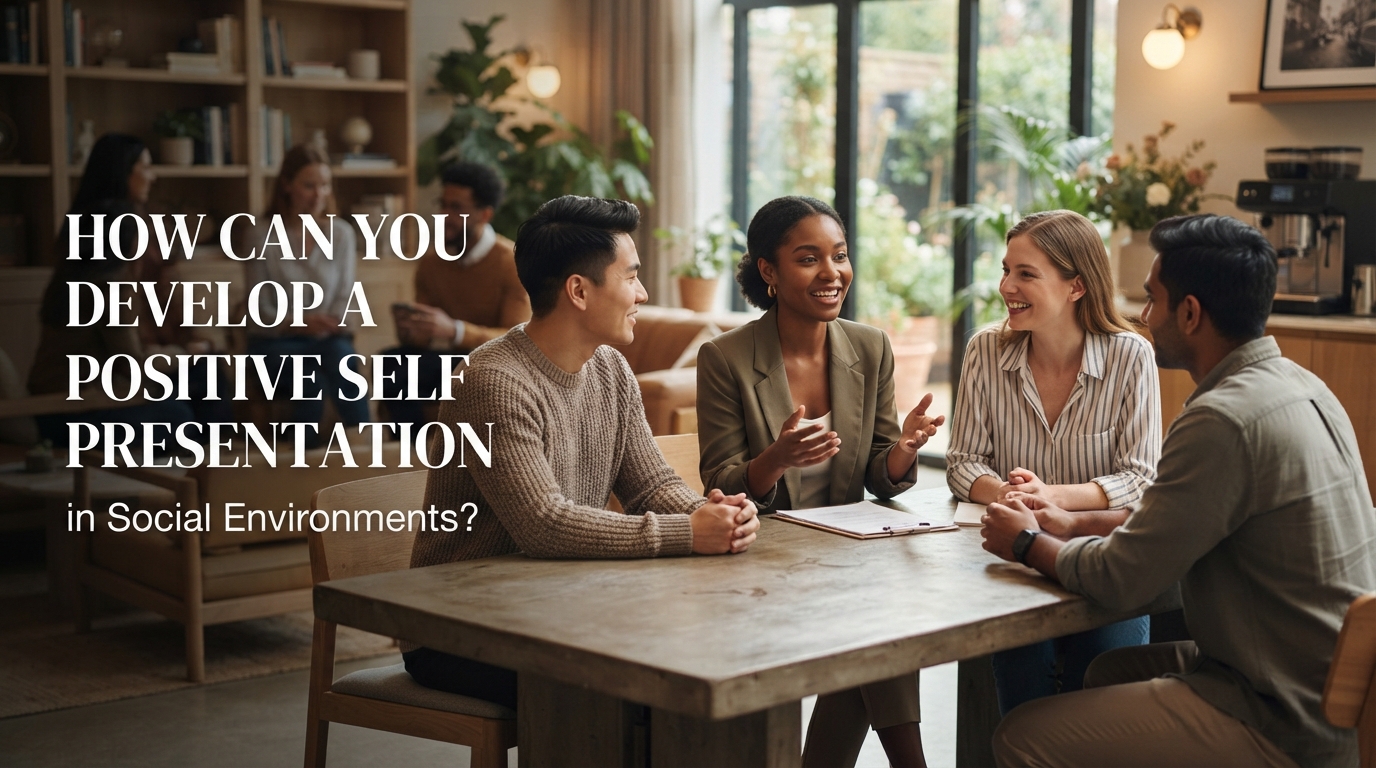
Developing a positive self-presentation in social environments is an important skill that helps individuals build meaningful relationships and create a good impression. In everyday life, people interact with different individuals at school, university, workplaces, and public spaces. The way someone communicates, behaves, and responds to others can influence how they are perceived. A positive self-presentation does not mean pretending to be someone else but showing genuine qualities through appropriate actions and attitudes. By developing confidence, communication skills, and respectful behavior, individuals can present themselves positively in various social situations.
UNDERSTANDING POSITIVE SELF-PRESENTATION
Positive self-presentation refers to the way individuals show their personality, attitudes, and personal qualities to others in a favorable and authentic manner. It includes appearance, communication, body language, and everyday behavior. These elements influence the impressions that other people develop during social interactions. For example, greeting people politely, listening carefully, and maintaining appropriate eye contact can demonstrate confidence and respect. Positive self-presentation helps individuals communicate their identity while maintaining good relationships with people around them.
However, presenting oneself positively does not mean trying to impress everyone or hiding personal weaknesses. Instead, it involves understanding personal strengths and expressing them appropriately in different situations. Individuals should remain honest, respectful, and consistent when interacting with others. They also need to recognize that different social environments may require different communication styles and behaviors. By maintaining authenticity, people can create a positive image without losing their true identity.
BUILD SELF-CONFIDENCE AND SELF-AWARENESS
Self-confidence is one of the most important foundations of positive self-presentation. People who believe in their abilities are generally more comfortable expressing their thoughts and participating in conversations. Confidence also helps individuals face unfamiliar social situations without feeling excessively nervous. One way to develop confidence is by recognizing personal strengths, accepting weaknesses, and setting realistic improvement goals. Practicing small social interactions can gradually make individuals more comfortable when meeting new people.
Besides confidence, self-awareness helps individuals understand their personality, emotions, and behavior. By recognizing how their actions affect others, they can make better decisions during social interactions. For example, someone who realizes that they often interrupt conversations can practice listening more patiently. Self-awareness also encourages individuals to accept constructive criticism and improve their communication habits. Combining confidence with self-awareness allows people to present themselves naturally and appropriately.
DEVELOP EFFECTIVE COMMUNICATION SKILLS
Effective communication is essential for creating a positive impression in social environments. Individuals should learn to express their thoughts clearly, choose appropriate words, and speak politely. Good communication also involves listening carefully instead of focusing only on what to say next. When people show interest in conversations, others feel respected and appreciated. These habits can make social interactions more comfortable and encourage stronger relationships.
Another important communication skill is understanding nonverbal messages. Body language, facial expressions, gestures, and eye contact can influence how people interpret a conversation. For example, maintaining a relaxed posture and showing appropriate facial expressions can make someone appear more approachable. Individuals should also pay attention to their speaking tone because a calm and friendly voice can help prevent misunderstandings. By combining verbal and nonverbal communication, people can express themselves more effectively.
MAINTAIN APPROPRIATE APPEARANCE AND BODY LANGUAGE
Personal appearance is one of the elements that can influence a first impression. Maintaining cleanliness, practicing good personal hygiene, and wearing suitable clothing can demonstrate self-respect and awareness of social situations. Individuals do not need expensive clothes or fashionable accessories to look presentable. What matters most is choosing an appearance that is neat, comfortable, and appropriate for the environment. These simple habits can help people feel more confident when interacting with others.
In addition to appearance, positive body language supports effective self-presentation. Standing or sitting with a comfortable posture, smiling naturally, and making appropriate eye contact can communicate openness and friendliness. However, body language should also respect personal and cultural differences because gestures may have different meanings in different communities. Individuals should avoid behaviors that may make others uncomfortable, such as invading personal space or displaying disrespectful expressions. A neat appearance and appropriate body language can strengthen the positive impression created through communication.
SHOW RESPECT AND DEVELOP EMPATHY
Respect is an essential part of building positive relationships in social environments. Individuals should appreciate different opinions, avoid insulting language, and treat others fairly regardless of their backgrounds or positions. Simple actions such as greeting people, saying thank you, and apologizing when necessary can demonstrate good manners. Respectful behavior also creates a comfortable atmosphere where people feel accepted and valued. These habits contribute to a positive personal image and healthier social interactions.
Empathy is equally important because it allows individuals to understand and consider other people's feelings and experiences. People can demonstrate empathy by listening without judging, offering support, and responding thoughtfully to difficult situations. For example, when a friend shares a personal problem, giving them attention instead of immediately criticizing their decisions shows understanding. Empathy also helps individuals manage disagreements more calmly. By practicing respect and empathy, people can develop stronger connections and become more considerate members of their communities.
ADAPT YOUR BEHAVIOR TO DIFFERENT SOCIAL ENVIRONMENTS
Every social environment has different expectations, communication styles, and behavioral standards. The way someone interacts with friends may be different from how they communicate with lecturers, colleagues, or professional clients. Understanding these differences helps individuals choose appropriate language, attitudes, and behavior. For example, using polite and professional communication during a job interview demonstrates awareness of workplace expectations. Meanwhile, relaxed and friendly communication may be more suitable when spending time with close friends.
Adapting to different environments does not mean changing personal values just to gain acceptance. Individuals should maintain authenticity and personal principles while adjusting their behavior to respect the situation. They also need to observe social cues and understand what is considered appropriate in a particular setting. Being flexible can help prevent uncomfortable interactions and misunderstandings. This ability makes it easier to communicate with different people and participate confidently in various social activities.
CONTROL EMOTIONS AND RESPOND POSITIVELY
Emotional control is an important skill for maintaining positive self-presentation, especially when dealing with stressful situations. Individuals who can manage their emotions are generally better prepared to respond calmly during disagreements or unexpected problems. Instead of reacting immediately, they can take a moment to understand the situation and consider an appropriate response. This approach helps prevent unnecessary conflicts and protects relationships. Emotional intelligence also allows individuals to recognize their feelings and understand how emotions influence their behavior.
Responding positively does not mean ignoring negative feelings or pretending that problems do not exist. It means expressing emotions in a respectful and constructive way. For example, when receiving criticism, individuals can listen carefully, evaluate the feedback, and respond without becoming unnecessarily defensive. They should also learn to apologize when their behavior negatively affects others. By developing emotional awareness and patience, people can maintain a more mature and positive presence in social environments.
PRACTICE CONSISTENCY AND LEARN FROM FEEDBACK
Developing a positive self-presentation requires consistent practice rather than temporary changes in behavior. Individuals should apply positive habits in their daily interactions, including communicating politely, respecting others, and maintaining personal responsibility. Small actions repeated regularly can gradually shape how people perceive someone. Consistency between words and actions is particularly important because it helps establish trust. When individuals demonstrate reliable behavior, they can build a stronger and more positive personal reputation.
Feedback from friends, teachers, colleagues, and other trusted individuals can also support personal improvement. Constructive feedback helps people identify behaviors that may need attention and discover opportunities to develop new skills. However, not every opinion needs to determine how someone presents themselves. Individuals should consider whether feedback is reasonable and useful while maintaining their personal values. Through regular evaluation and continuous learning, they can improve their self-presentation without losing their authenticity.
CONCLUSION
Developing a positive self-presentation in social environments requires confidence, self-awareness, effective communication, appropriate appearance, and respectful behavior. Individuals also need to practice empathy, emotional control, and the ability to adapt to different situations. These qualities help create positive first impressions, strengthen relationships, and improve social interactions. However, the most important principle is to remain authentic while continuously improving personal qualities. A positive self-presentation is built through genuine actions, consistent behavior, and respect for others, making it an essential skill for personal and professional development.
Recent Posts

How Does Technology Make Daily Evaluation... 21.11.2026/55 View

Apa Strategi Menghadapi Kesenjangan antara Kompetensi... 21.11.2026/57 View

Mengapa Inventaris Aset Penting bagi Kelancaran... 21.11.2026/52 View

When Should Musicians Join a Record... 21.11.2026/52 View

Daily Evaluation or Daily Planning Which... 21.11.2026/59 View
