

How Can You Develop an Effective Proposal for an Organization Event?
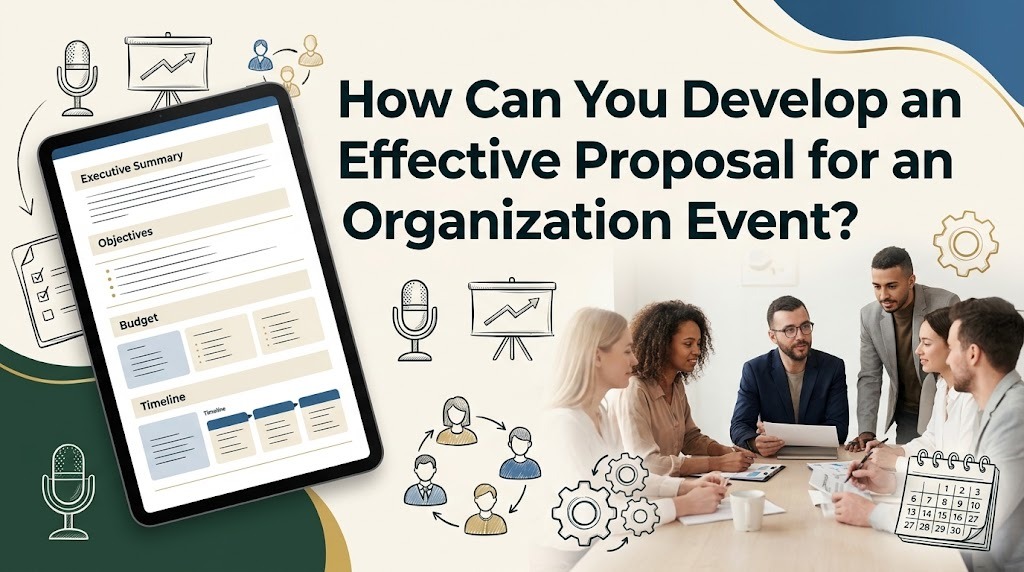
Developing an effective proposal for an organization event requires careful planning, clear objectives, and a realistic implementation strategy. An organization event proposal is a formal document that explains the purpose, activities, budget, and expected outcomes of an event organized by a school club, student association, community group, or professional organization. It helps decision-makers understand the event and determine whether it deserves approval and support. A well-prepared proposal also guides the organizing committee in managing responsibilities, time, and resources. By following a systematic approach, organizers can create a professional and convincing proposal that supports successful event implementation.
UNDERSTAND THE PURPOSE AND NEEDS OF THE EVENT
The first step in developing an effective organization event proposal is understanding why the event needs to be organized. Every event should have a clear purpose that addresses a specific need, supports organizational goals, or provides benefits to its members and participants. For example, a student association may organize a leadership workshop to improve communication, teamwork, and decision-making skills. A community organization might arrange a fundraising event to support a local educational program. Understanding the purpose helps organizers determine whether the proposed event is relevant and worth conducting.
Organizers should also identify the target audience and understand their expectations. Information can be collected through surveys, discussions, previous event evaluations, or suggestions from organization members. These findings can help organizers select an appropriate theme, activity format, and level of participation. The proposal should explain the need for the event and describe the benefits it is expected to provide. When the purpose is clear and supported by relevant information, the proposal becomes more meaningful and easier for decision-makers to evaluate.
SET CLEAR GOALS AND MEASURABLE OBJECTIVES
Clear goals and objectives provide direction for the entire event planning process. The goal describes the main purpose of the event, while the objectives identify specific results that organizers intend to achieve. These objectives should be realistic, relevant to the organization, and measurable whenever possible. For example, a professional development seminar may aim to improve members' understanding of workplace communication and career preparation. Its specific objectives could include involving 100 participants, delivering three learning sessions, and collecting feedback from attendees.
Organizers can use the SMART method to formulate effective objectives. SMART stands for Specific, Measurable, Achievable, Relevant, and Time-bound. This approach helps ensure that objectives are clear and can be evaluated after the event. Instead of writing that an event will improve organizational teamwork, organizers could state that the workshop will provide practical teamwork exercises for 40 committee members within one day. The objectives should also match the planned activities, available resources, and expected outcomes. Well-defined objectives help the organizing committee maintain focus and measure the event's success more effectively.
CREATE A SYSTEMATIC EVENT PLAN
An effective proposal should explain how the event will be prepared and implemented. Organizers need to determine the event format, theme, date, venue, duration, and number of participants. They should also develop a schedule that covers preparation, registration, the main program, and post-event evaluation. Each major task should have a clear deadline and a person or team responsible for completing it. A systematic plan helps prevent confusion and allows the committee to coordinate its work efficiently.
The proposal should also contain the essential information needed by decision-makers. These components commonly include:
Title: A clear name that reflects the event's main theme.
Background: An explanation of the event's purpose and importance.
Objectives: The intended results and benefits.
Event Details: The date, venue, participants, and activity format.
Implementation Schedule: The timeline and sequence of activities.
Organizing Committee: The people responsible for planning and execution.
Budget Plan: Estimated expenses and potential funding sources.
Evaluation Plan: The methods used to assess the event's outcomes.
Each section should be consistent with the others. For example, the schedule must allow enough time for all planned sessions, while the budget must cover the resources required by those sessions. Organizers should follow any official proposal template provided by their institution or organization. A complete and organized structure demonstrates that the event has been carefully considered before approval is requested.
PREPARE A REALISTIC BUDGET AND FUNDING STRATEGY
A realistic budget is essential because it shows whether the proposed event can be conducted with the available financial resources. Organizers should identify expenses such as venue rental, equipment, transportation, refreshments, printing, speaker fees, documentation, and other necessary materials. Each item should have a reasonable estimated cost based on price comparisons or supplier quotations. The budget should clearly show the quantity, unit cost, and total cost of each item whenever applicable. This level of detail makes the financial plan easier to review and verify.
Organizers should also identify potential funding sources, such as organizational funds, institutional support, registration fees, donations, or sponsorships. Expected funding should be distinguished from money that has already been confirmed. If the event depends on sponsors, the proposal should explain how their contributions will support the program and what appropriate recognition may be offered in return. Organizers should prioritize essential expenses and avoid unnecessary spending that does not contribute to the event's objectives. They should also prepare alternatives in case the available funding is lower than expected. A realistic budget and clear funding strategy can strengthen the proposal's credibility and help reduce financial risks.
BUILD A CONVINCING PROPOSAL AND GAIN APPROVAL
To make an organization event proposal convincing, organizers should explain why the event matters and how it will benefit the intended participants. Use formal, clear, and straightforward language that communicates the plan without unnecessary repetition. Avoid vague statements, unrealistic promises, and unsupported claims about the expected results. Instead, provide specific information about the event's objectives, target audience, activities, and anticipated benefits. Supporting information, such as participant feedback or findings from a needs survey, can strengthen the proposal when relevant.
Organizers should also demonstrate that they have considered potential challenges. These may include low attendance, limited funding, scheduling conflicts, equipment problems, or changes in venue availability. Practical solutions, such as early registration, alternative suppliers, and backup locations, can show that the committee is prepared to manage risks. Before submitting the proposal, review the document for spelling errors, incomplete information, budget inconsistencies, and unrealistic deadlines. Confirm that all required approvals, signatures, and supporting documents are included. A carefully reviewed proposal presents the organization as responsible, prepared, and capable of managing the event professionally.
EVALUATE THE EVENT AND MEASURE ITS SUCCESS
Event evaluation should be considered during the proposal-writing process rather than added only after the event has finished. Organizers need to determine how they will measure whether the event has achieved its objectives. Suitable indicators may include attendance, participant satisfaction, completion of planned activities, knowledge gained, or funds raised. The indicators should be relevant to the event's purpose and realistic to measure. For example, a leadership workshop may use participant feedback forms and practical group exercises to evaluate its effectiveness.
After the event, the organizing committee should compare the results with the original objectives and budget. It should document actual expenses, identify successful activities, and record challenges that affected implementation. Feedback from participants, speakers, and committee members can reveal opportunities for improvement. The results should be summarized in an event evaluation report that can be shared with the organization or other relevant parties. This report supports accountability and provides useful lessons for future programs. By including evaluation in the proposal, organizers demonstrate that they care not only about conducting an event but also about achieving meaningful outcomes.
CONCLUSION
Developing an effective proposal for an organization event requires a clear purpose, measurable objectives, a systematic implementation plan, and a realistic budget. Organizers should understand the needs of their target audience, assign responsibilities carefully, and explain the expected benefits of the event. A convincing proposal should also address potential risks, follow the organization's requirements, and include a practical evaluation plan. Reviewing the document before submission helps ensure that all sections are accurate, consistent, and complete. With careful planning, transparent budgeting, and effective communication, organizations can prepare professional proposals that are easier to evaluate and better positioned to gain approval.
Recent Posts

Bagaimana Sistem SKS pada Program Kuliah... 22.11.2026/56 View

How Does Technology Make Daily Evaluation... 21.11.2026/86 View

Apa Strategi Menghadapi Kesenjangan antara Kompetensi... 21.11.2026/84 View

Mengapa Inventaris Aset Penting bagi Kelancaran... 21.11.2026/82 View

When Should Musicians Join a Record... 21.11.2026/86 View
