

How Can You Distinguish Between Genuine and Fake OTP Messages?
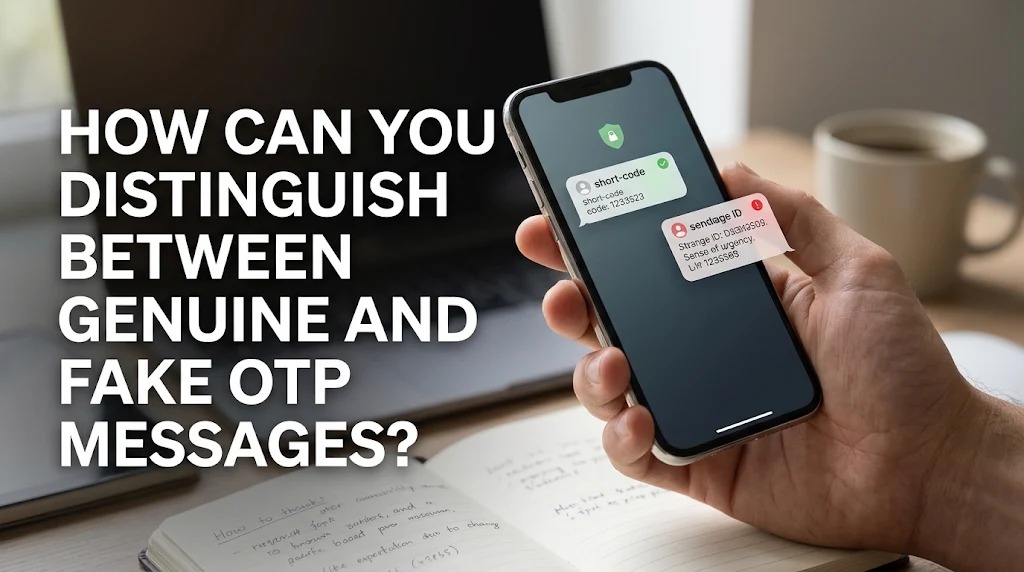
An OTP (One-Time Password) is a temporary verification code used to confirm a user's identity when accessing digital accounts, resetting passwords, or completing online transactions. These codes are commonly delivered through SMS, email, or authenticator applications. Because OTP messages are closely connected to account security, cybercriminals often imitate legitimate verification notifications to trick users into revealing sensitive information.
Fake OTP messages can appear convincing because scammers frequently use the names of banks, digital wallets, online marketplaces, and other popular services. Some messages contain urgent warnings, suspicious links, or requests to provide verification codes. Without sufficient awareness, users may mistake fraudulent notifications for official communication and accidentally expose their accounts to unauthorized access.
Understanding the differences between genuine and fake OTP messages is essential for protecting personal information and financial assets. By examining the sender, message content, verification context, and links, users can identify suspicious notifications and respond more safely.
UNDERSTANDING THE CHARACTERISTICS OF GENUINE OTP MESSAGES
A genuine OTP message is an official verification notification generated by a digital platform when a user performs an activity that requires authentication. For example, a person may receive an OTP after logging into an account, resetting a password, registering a new device, or confirming an online transaction.
Legitimate OTP messages generally contain a temporary verification code, the name of the related service, and information about the code's expiration period. Some platforms also include a security reminder explaining that the code must remain confidential. The exact format depends on the service provider and its authentication system.
Another important characteristic is that genuine OTP messages are usually connected to an action initiated by the account owner. If someone requests a password reset or attempts to complete a transaction, receiving a verification message may be expected. However, users should still verify that the activity matches their actual request before entering the code.
RECOGNIZING THE WARNING SIGNS OF FAKE OTP MESSAGES
Fake OTP messages often contain unusual instructions designed to manipulate users into revealing confidential information. One common warning sign is a request to send the verification code to another person through SMS, messaging applications, or phone calls. Legitimate verification codes are intended to be entered directly into the official authentication process, not shared with other individuals.
Another suspicious characteristic is the use of threatening or urgent language. Scammers may claim that an account will be permanently blocked, a payment will be canceled, or personal information will be exposed unless users respond immediately. These messages attempt to create panic so that victims make decisions without carefully checking the information.
Users should also be cautious of messages containing unfamiliar links, unexpected attachments, or instructions to install applications. Some fraudulent messages imitate official communication styles but direct recipients to fake websites designed to steal passwords and OTP codes. Unusual requests and unnecessary urgency should always be treated as potential warning signs.
CHECKING THE SENDER AND MESSAGE CONTENT CAREFULLY
Examining the sender's information is an important step when determining whether an OTP message is genuine. Official services may use registered sender names, short codes, or recognizable communication identities. However, the appearance of a familiar sender name does not automatically guarantee authenticity because some scammers can manipulate sender information.
Users should compare the message with previous legitimate notifications from the same service. Pay attention to differences in writing style, spelling, formatting, and the type of information requested. Messages containing unusual grammatical errors or suspicious instructions may indicate fraudulent activity, although professional-looking messages can also be fake.
It is also important to verify the context of the notification. Ask yourself whether you recently attempted to log in, reset a password, or complete a transaction. If an OTP arrives without any activity initiated by you, do not use or share it. Instead, access the official application independently and review the account's security status.
IDENTIFYING PHISHING LINKS AND FRAUDULENT WEBSITES
Phishing attacks are commonly used to make fake OTP messages appear legitimate. In this method, scammers send notifications containing links that direct users to websites designed to imitate official service provider pages. These websites may display familiar logos, colors, and login forms to make victims believe they are accessing a trusted platform.
Before opening a link, users should carefully examine the website address and confirm whether it belongs to the official service provider. Be cautious of misspelled domain names, additional characters, unfamiliar domain extensions, and shortened links. A website displaying a padlock symbol or using HTTPS does not automatically mean that it is legitimate.
The safest approach is to avoid accessing important accounts through links received in unexpected messages. Instead, open the official application or manually enter the service provider's known website address. This reduces the possibility of entering personal information into fraudulent pages designed to capture login credentials and verification codes.
PROTECTING YOURSELF FROM FAKE OTP NOTIFICATIONS
Preventing OTP-related scams requires consistent attention to digital security. The most important rule is to never share an OTP code with anyone, including individuals claiming to represent banks, digital wallets, or customer support services. Verification codes should remain confidential because they may authorize account access or sensitive transactions.
Users should also activate additional security features, such as Multi-Factor Authentication (MFA), where available. Using strong and unique passwords can further reduce the risk of unauthorized access. For certain accounts, authenticator applications or security keys may provide stronger protection than SMS-based verification.
In addition, keep mobile devices and applications updated to reduce exposure to known security vulnerabilities. Avoid downloading unfamiliar applications or providing personal information through suspicious websites. Regularly reviewing account activity can also help users recognize unusual login attempts and respond before greater damage occurs.
WHAT SHOULD YOU DO AFTER RECEIVING A SUSPICIOUS OTP MESSAGE?
If you receive an OTP message that you did not request, do not panic or immediately assume that your account has been compromised. Someone may have entered your phone number accidentally, or another person may be attempting to access your account. However, the notification should still be treated seriously because it could indicate an unauthorized verification attempt.
Never reply to suspicious messages, share the code, or click unfamiliar links. Open the official application independently and check whether there are unusual login attempts, password changes, or unfamiliar transactions. If you notice suspicious activity, change your password and terminate unknown active sessions when those options are available.
If you suspect that someone has obtained your OTP code, contact the relevant service provider through its official customer support channel. For banking or digital wallet accounts, report the incident immediately and request assistance securing the account. Taking quick action can help prevent financial losses and further misuse of personal information.
CONCLUSION
Distinguishing between genuine and fake OTP messages requires careful attention to the sender, message content, verification context, and website links. Genuine OTP notifications are generally connected to activities initiated by the account owner, while fraudulent messages often contain suspicious requests, threatening language, or links designed to steal confidential information.
However, sender names and professional-looking message formats should not be considered absolute proof of authenticity. Users should verify unexpected notifications through official applications, never share their verification codes, and maintain strong digital security practices. By developing these habits, people can reduce the risk of phishing attacks, identity theft, and unauthorized access to their digital accounts.
Recent Posts

Bagaimana Sistem SKS pada Program Kuliah... 22.11.2026/35 View

How Does Technology Make Daily Evaluation... 21.11.2026/69 View

Apa Strategi Menghadapi Kesenjangan antara Kompetensi... 21.11.2026/69 View

Mengapa Inventaris Aset Penting bagi Kelancaran... 21.11.2026/67 View

When Should Musicians Join a Record... 21.11.2026/68 View
