

How Can You Identify Fake Profiles on Dating Applications?
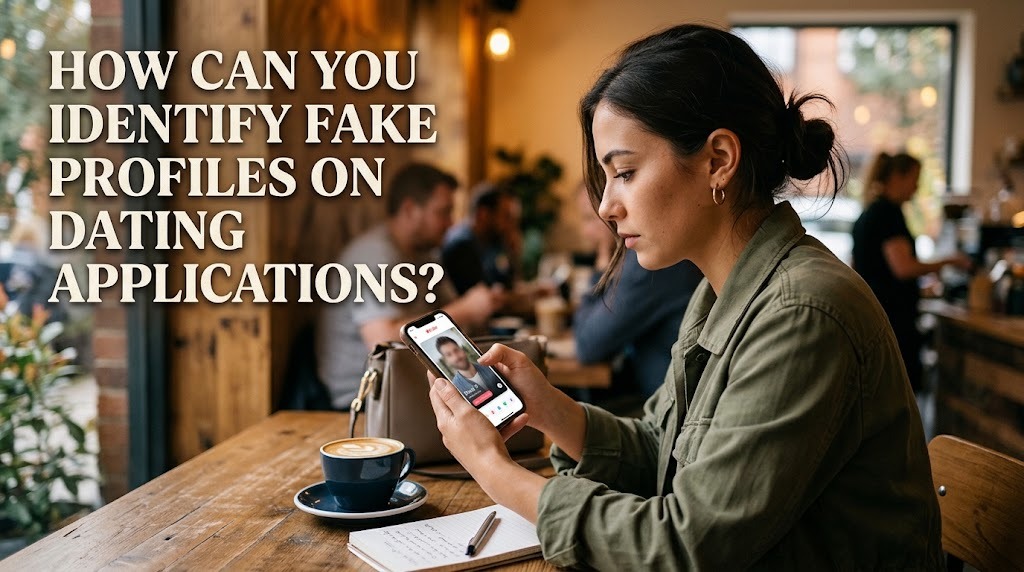
Dating applications have made it easier for people to meet new friends, build relationships, and find potential partners. However, the growing popularity of these platforms has also created opportunities for scammers to use fake profiles to deceive other users. These accounts often use stolen photos, false personal information, and misleading stories to gain someone's trust.
Identifying fake profiles on dating applications is important for protecting personal information, emotional well-being, and financial security. Although some fake accounts look convincing, there are several warning signs that users can recognize before developing a closer relationship with someone online.
CHECK THE PROFILE PHOTOS AND PERSONAL INFORMATION
One of the easiest ways to identify fake profiles on dating applications is by examining the profile pictures and personal information. Fake accounts often use photos taken from other people's social media accounts, websites, or online image collections. Some scammers also use AI-generated pictures to create realistic-looking identities that are difficult to recognize immediately.
Users should pay attention to whether the pictures look consistent and believable. For example, an account that uses photos with completely different appearances, backgrounds, or image quality may deserve closer attention. Another warning sign is a profile with very limited personal information, such as no clear interests, vague descriptions, or inconsistent details about age, occupation, and location.
It is also important to remember that having only one photo or a simple profile does not automatically mean someone is a scammer. However, combining several suspicious details can help users recognize potentially fake accounts and avoid trusting strangers too quickly.
LOOK FOR INCONSISTENT STORIES AND UNUSUAL BEHAVIOR
Another way to identify fake dating profiles is by observing how someone communicates. Scammers frequently create fictional backgrounds to make their identities appear believable. They may claim to have successful careers, live in another country, or have personal experiences designed to attract sympathy and build emotional connections.
Pay attention when someone repeatedly changes important details about their life. For example, a person might mention different occupations, locations, family situations, or relationship histories during separate conversations. These inconsistencies can indicate that the person is using a fabricated identity rather than sharing genuine information.
Unusual communication patterns can also be warning signs. Some fake accounts send overly romantic messages shortly after matching, express strong feelings too quickly, or use similar messages repeatedly. These behaviors may be part of a strategy to create emotional attachment before the victim has enough time to verify the person's identity.
BE CAREFUL WHEN SOMEONE AVOIDS VIDEO CALLS
Video calls can help users determine whether the person they are communicating with matches the identity shown in their dating profile. Someone who consistently refuses reasonable requests for a video call may deserve additional attention, especially when other suspicious behaviors are present.
Some scammers avoid video calls because they use stolen photographs or fake identities. They may provide excuses such as having a broken camera, experiencing poor internet connections, or being too busy to communicate face-to-face. Although these explanations can sometimes be genuine, repeated avoidance without a reasonable alternative can become a warning sign.
Users can suggest a short video call before developing a deeper relationship. During the conversation, they can check whether the person's appearance and communication seem consistent with the profile. However, video calls are not complete proof of identity because scammers may use manipulated videos, prerecorded footage, or AI-based face-swapping technology.
WATCH OUT FOR REQUESTS FOR MONEY AND PERSONAL DATA
One of the most serious warning signs of fake profiles on dating applications is a request for money or sensitive personal information. Online scammers often build emotional relationships with their victims before introducing financial problems or urgent situations. They may claim to need money for medical treatment, travel expenses, emergency situations, or other unexpected difficulties.
Some scammers also encourage victims to invest in cryptocurrency, online trading platforms, or suspicious financial opportunities. They may promise high profits and provide fake investment websites to make their offers appear legitimate. These activities are common examples of romance scams that can cause significant financial losses.
Users should never share banking information, passwords, verification codes, identification documents, or private photographs with strangers. Genuine relationships should not require financial assistance or access to personal accounts. If someone repeatedly pressures users to send money or reveal confidential information, they should stop communicating and report the account through the application.
USE VERIFICATION FEATURES AND REPORT SUSPICIOUS ACCOUNTS
Many dating applications provide security features designed to help users recognize authentic profiles. Some platforms offer photo verification, identity checks, and reporting systems that allow members to identify potentially suspicious accounts. These features can provide additional protection when users are deciding whether to trust someone they meet online.
However, verification badges should not be treated as absolute guarantees of honesty. A verified account may confirm certain information, such as a person's appearance, but it does not necessarily prove that their intentions are genuine. Users should continue evaluating communication patterns, profile details, and other suspicious activities.
If an account appears fraudulent, users should report it directly through the application's official reporting feature. Blocking the account can also prevent further unwanted communication. Reporting suspicious profiles helps dating platforms investigate potential violations and protect other members from similar scams.
CONCLUSION
Identifying fake profiles on dating applications requires attention to profile photos, personal information, communication patterns, and unusual requests. Accounts that use inconsistent stories, avoid video calls, or ask for money and sensitive information should be approached with caution.
Users can reduce the risk of online dating scams by verifying information, using available security features, protecting personal data, and reporting suspicious accounts. Most importantly, building trust should take time. Being careful when communicating with strangers can help create a safer and more positive online dating experience.
Recent Posts

Bagaimana Sistem SKS pada Program Kuliah... 22.11.2026/37 View

How Does Technology Make Daily Evaluation... 21.11.2026/70 View

Apa Strategi Menghadapi Kesenjangan antara Kompetensi... 21.11.2026/73 View

Mengapa Inventaris Aset Penting bagi Kelancaran... 21.11.2026/68 View

When Should Musicians Join a Record... 21.11.2026/71 View
