

How Can You Identify Musical Intelligence in Yourself?
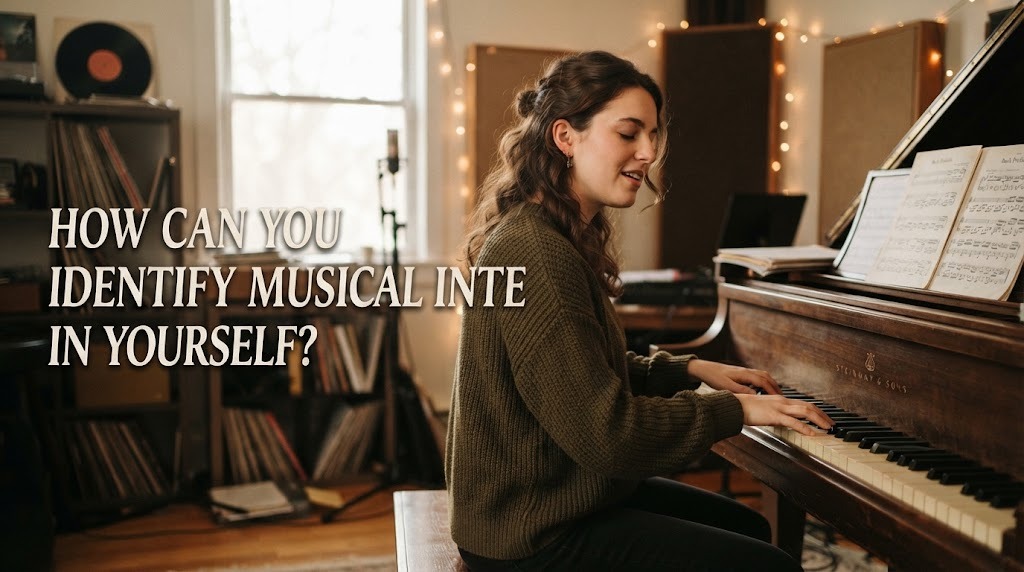
Musical intelligence is the ability to recognize, understand, remember, and respond to music and sound. People with musical intelligence often notice differences in rhythm, melody, pitch, and tone. They may enjoy singing, playing musical instruments, creating songs, or listening carefully to different types of music. However, musical intelligence is not limited to people who can sing well or play instruments professionally.
Everyone has different strengths, and musical abilities can develop through practice and experience. Identifying musical intelligence in yourself can help you understand your interests, recognize your abilities, and discover new ways to learn. By paying attention to how you respond to music in everyday life, you can begin to understand whether musical activities are among your natural strengths.
UNDERSTANDING MUSICAL INTELLIGENCE
Musical intelligence is commonly associated with Howard Gardner’s theory of multiple intelligences, which describes different ways people may demonstrate their abilities. In this theory, musical intelligence involves sensitivity to rhythm, pitch, melody, tone, and patterns in sound. People who demonstrate this ability may notice musical details that others do not easily recognize.
Musical intelligence does not mean that someone must become a musician. It can also appear in the ability to remember songs, recognize familiar melodies, understand rhythmic patterns, or express emotions through music. Some people develop these abilities naturally, while others strengthen them through regular listening, practice, and musical education.
NOTICING RHYTHM AND MUSICAL PATTERNS
One way to identify musical intelligence is to observe how easily you recognize rhythms and patterns in music. You may find yourself tapping your fingers, moving your feet, or following the beat whenever you hear a song. You might also notice when a rhythm changes or when a musical instrument creates a repeating pattern.
People with an interest or strength in musical patterns may quickly remember the rhythm of a song after hearing it several times. They may also recognize when a beat feels different from what they expected. These experiences can be signs of musical sensitivity, although enjoying rhythm alone does not automatically mean that someone has highly developed musical intelligence.
REMEMBERING MELODIES AND SONGS EASILY
Another possible sign is the ability to remember melodies and songs. You may remember a tune after hearing it only a few times, even if you cannot recall every word. Sometimes, hearing a short musical phrase may help you recognize the entire song or remember where you heard it before.
This ability can be useful when learning new songs or practicing a musical instrument. You may find it easier to repeat a melody, recognize familiar tunes, or notice when a note sounds different. However, musical memory varies from person to person and can improve with repeated listening and practice.
BEING SENSITIVE TO PITCH AND TONE
Musical intelligence can also involve sensitivity to pitch and tone. Pitch refers to how high or low a sound seems, while tone quality helps distinguish one sound from another. You may notice when someone sings a note incorrectly or recognize that two instruments sound different even when they play the same melody.
Some people can identify musical changes without knowing technical music terms. For example, you might notice that a song sounds higher than before or that a familiar melody has changed slightly. These abilities may indicate an awareness of musical details, but identifying specific notes accurately usually requires additional practice and training.
FEELING EMOTIONAL CONNECTIONS THROUGH MUSIC
Music can influence emotions, and people respond to it in different ways. You may feel relaxed when listening to a slow melody, energized by a fast rhythm, or moved by a song that reminds you of a personal experience. You might also notice how changes in tempo, instruments, or melody affect the overall mood of a piece.
A strong emotional connection to music can be one part of your musical experience. You may choose different songs depending on your mood or use music to express feelings that are difficult to explain with words. However, enjoying music emotionally is not enough on its own to measure musical intelligence, because emotional responses to music are common and highly individual.
ENJOYING SINGING OR PLAYING MUSICAL INSTRUMENTS
Your interest in singing or playing instruments may provide another clue about your musical abilities. You might enjoy learning songs, experimenting with sounds, practicing a melody, or trying to reproduce music you hear. You may also feel curious about how instruments work and how different sounds combine to create a complete song.
You do not need to be an expert to explore these interests. Beginners can demonstrate musical curiosity even when they make mistakes or struggle to maintain the correct rhythm. Paying attention to your willingness to practice, your enjoyment of the process, and your progress over time can help you understand your musical strengths.
RECOGNIZING SOUNDS IN EVERYDAY LIFE
Musical intelligence may also appear outside formal musical activities. You might recognize a familiar tune from a few notes, distinguish different instruments in a song, or notice patterns in sounds around you. Some people naturally pay attention to the rhythm of speech, the sound of musical backgrounds, or changes in the way a melody is performed.
Observing these habits can help you understand how you process sound. For example, you may remember information more easily when it is presented through a song or rhythmic repetition. This does not mean that music will improve every type of learning, but it may be a useful strategy for remembering certain information.
TESTING YOUR MUSICAL ABILITIES THROUGH PRACTICE
One practical way to explore musical intelligence is to try different musical activities. Listen to a new song and see whether you can remember its melody, clap along with its rhythm, or identify changes in its sound. You can also try singing a familiar tune, learning a simple instrument, or repeating a short rhythmic pattern.
After trying these activities, reflect on which ones feel interesting and which abilities improve with practice. You can record your progress over several weeks to see whether your rhythm, memory, listening skills, or musical confidence develops. Online musical exercises may also provide useful practice, although their results should not be treated as a complete or definitive assessment of your intelligence.
DEVELOPING YOUR MUSICAL INTELLIGENCE
Identifying musical intelligence is only the beginning. If you enjoy music or recognize strengths in this area, you can develop them through regular practice. Listening carefully to different genres, learning basic musical concepts, singing, playing instruments, and experimenting with rhythm can help improve your musical skills.
It is also helpful to set realistic goals and practice consistently rather than expecting immediate results. You could start by learning one simple song, recognizing different instruments, or practicing a short rhythm each day. Over time, these activities can help you understand music more deeply and discover which musical skills you enjoy developing the most.
CONCLUSION
You can identify musical intelligence in yourself by observing how you recognize rhythms, remember melodies, notice pitch differences, respond to music, and engage in musical activities. These abilities may appear in everyday experiences and do not require professional training. However, no single sign can determine your overall level of musical intelligence.
The best approach is to explore music, practice different activities, and reflect on your experiences over time. Musical abilities can develop through learning, repetition, and exposure to different sounds. By understanding your strengths and interests, you can find enjoyable ways to develop your musical skills and use them in everyday life.
Recent Posts

Bagaimana Sistem SKS pada Program Kuliah... 22.11.2026/25 View

How Does Technology Make Daily Evaluation... 21.11.2026/64 View

Apa Strategi Menghadapi Kesenjangan antara Kompetensi... 21.11.2026/65 View

Mengapa Inventaris Aset Penting bagi Kelancaran... 21.11.2026/62 View

When Should Musicians Join a Record... 21.11.2026/61 View
