

How Can You Improve Your Self Presentation to Look More Professional?
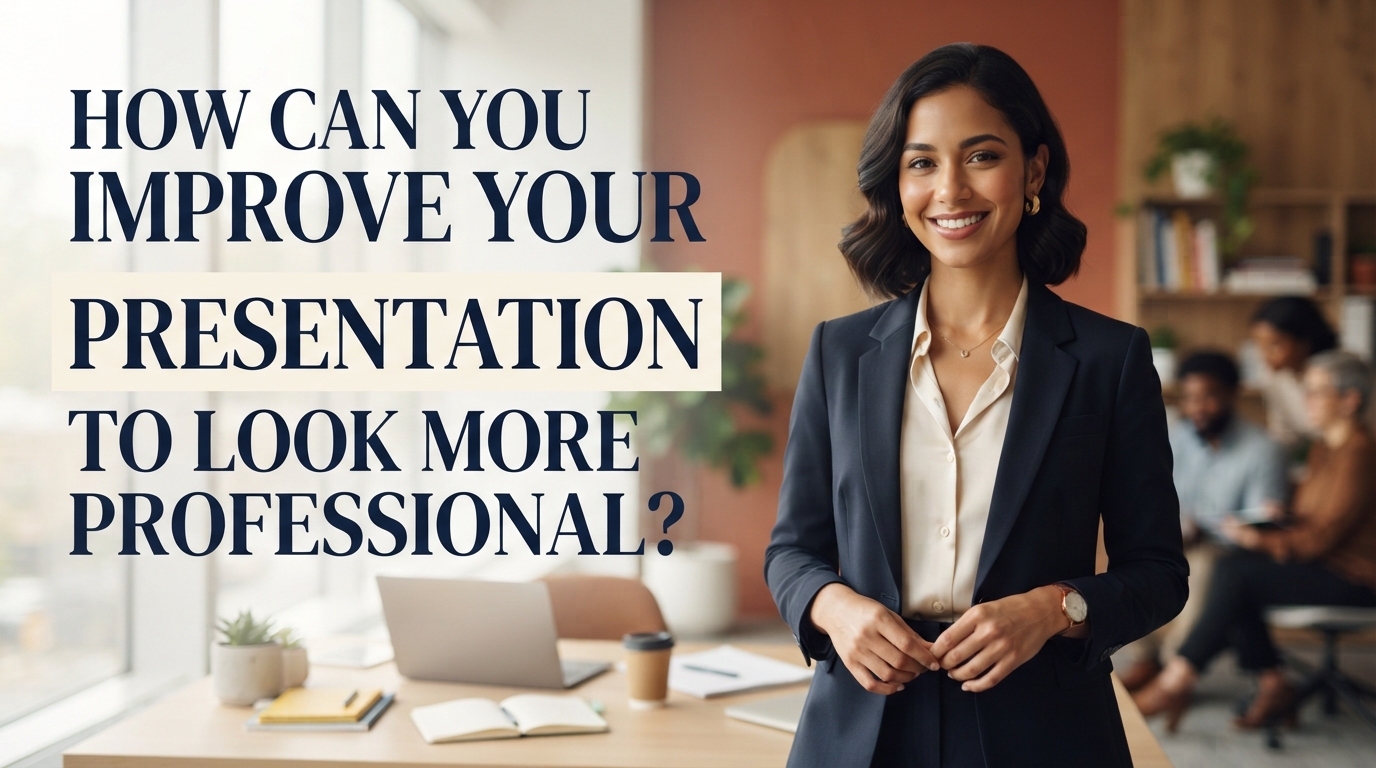
Self-presentation plays an important role in how other people perceive us in everyday and professional environments. The way we communicate, dress, behave, and respond to different situations can influence the impression we create. Having a professional appearance does not mean wearing expensive clothes or pretending to be someone else. Instead, it involves showing confidence, respect, responsibility, and good communication skills through consistent behavior. By improving your self-presentation, you can build a positive image, strengthen professional relationships, and create more opportunities for personal and career development.
WHAT IS PROFESSIONAL SELF-PRESENTATION?
Professional self-presentation is the way individuals communicate their personality, abilities, and values in a workplace or formal environment. It includes several aspects, such as physical appearance, body language, communication style, and personal attitude. These elements work together to create an impression of how someone handles responsibilities and interacts with others. A professional person does not always need to be formal, but they should understand how to behave appropriately in different situations. Good self-presentation reflects professionalism through both appearance and actions.
It is also important to understand that professional self-presentation should remain authentic. You do not need to change your entire personality to look professional. Instead, focus on presenting your best qualities while maintaining honesty and respect. When your appearance, words, and actions are consistent, people are more likely to see you as trustworthy and reliable.
CHOOSE APPROPRIATE AND NEAT CLOTHING
Clothing is one of the first things people may notice when meeting someone. Wearing clean, neat, and appropriate outfits can help create a positive professional impression. You should consider the workplace culture, event type, and dress code before choosing what to wear. For example, a formal office may require business attire, while a creative workplace may allow a more relaxed style. The most important thing is to choose clothing that looks tidy, comfortable, and suitable for the situation.
Personal grooming is equally important because it shows attention to detail and self-respect. Keep your hair neat, maintain good personal hygiene, and choose accessories that do not distract from your overall appearance. You do not need expensive brands to look professional because simple and well-maintained clothing can be effective. A clean and appropriate appearance helps you feel more prepared when interacting with colleagues, clients, or business partners.
DEVELOP CLEAR AND POLITE COMMUNICATION SKILLS
Communication is a major part of professional self-presentation because it influences how people understand your ideas and attitude. Speak clearly, use polite language, and organize your thoughts before expressing an opinion. Avoid interrupting others and give people enough time to explain their perspectives. When communicating through email or messages, use appropriate greetings, clear sentences, and professional language. Effective communication demonstrates confidence, respect, and the ability to work with others.
You should also learn how to adjust your communication style according to the situation. A conversation with a colleague may be more relaxed than a presentation to a client or manager. However, politeness and clarity should remain important in every interaction. Practicing active listening can also improve communication because it shows that you value other people's ideas. These habits help you build a professional image and maintain positive workplace relationships.
IMPROVE YOUR BODY LANGUAGE AND CONFIDENCE
Body language can communicate messages even when you are not speaking. Maintaining comfortable eye contact, using natural gestures, and standing with good posture can make you appear more confident. Avoid constantly looking at your phone, crossing your arms in a way that seems defensive, or showing signs of disinterest during conversations. Your facial expressions should also match the situation so that others can understand your attitude. Positive body language helps create an impression of confidence, openness, and professionalism.
Confidence does not mean acting as if you know everything or trying to dominate every conversation. It means trusting your abilities while remaining open to feedback and new experiences. You can develop confidence by preparing before meetings, practicing presentations, and learning from previous mistakes. When you feel prepared, you are more likely to communicate naturally and respond calmly to unexpected situations.
BUILD A RESPONSIBLE AND POSITIVE ATTITUDE
A professional image is not determined by appearance alone. Your attitude toward responsibilities, deadlines, and other people also influences how others evaluate your professionalism. Being punctual, completing tasks properly, and keeping promises show that you can be trusted. If you make a mistake, acknowledge it and take responsibility instead of blaming someone else. Professionalism is demonstrated through consistent actions, honesty, and accountability.
Maintaining a positive attitude is also valuable when facing challenges. Instead of immediately complaining about problems, try to identify possible solutions and communicate concerns respectfully. You should also appreciate teamwork and recognize the contributions of others. These behaviors show emotional maturity and make it easier to build trust with colleagues, supervisors, and business partners.
DEVELOP PROFESSIONAL ETIQUETTE IN THE WORKPLACE
Professional etiquette refers to appropriate behavior when interacting with people in a work environment. It includes respecting personal boundaries, using polite language, following workplace rules, and treating everyone fairly. Simple habits such as greeting colleagues, responding to messages appropriately, and keeping shared spaces organized can create a positive impression. Good workplace etiquette shows that you understand professional boundaries and respect other people's time and responsibilities.
Digital etiquette is equally important because many professional interactions now happen online. Use clear and respectful language in emails, online meetings, and workplace messaging platforms. Avoid sharing confidential information or posting inappropriate content that could harm your professional reputation. Before publishing something online, consider whether it reflects the image you want to build. Responsible digital behavior helps maintain a professional identity both inside and outside the workplace.
STRENGTHEN YOUR SKILLS AND PERSONAL BRANDING
Professional self-presentation becomes stronger when it is supported by real abilities and knowledge. Developing relevant skills shows that you are serious about personal and career growth. You can improve your abilities by attending training sessions, reading professional materials, joining projects, or learning from experienced people. It is also useful to evaluate your progress and identify skills that still need improvement. A professional image becomes more credible when confidence is supported by competence.
Personal branding is another important part of self-presentation. It refers to the way you communicate your professional identity, strengths, values, and expertise to others. You can build a positive personal brand by being consistent, sharing useful knowledge, and demonstrating your abilities through meaningful work. Avoid exaggerating your achievements because honesty is essential for long-term credibility. When people recognize your skills and positive attitude, they are more likely to trust and remember you.
ASK FOR FEEDBACK AND CONTINUE IMPROVING
Improving self-presentation requires regular evaluation because professional expectations and personal abilities can change over time. Asking trusted colleagues, mentors, or supervisors for feedback can help you understand how others perceive your behavior. Their observations may reveal habits that you do not notice yourself, such as speaking too quickly or appearing nervous during presentations. Listen carefully and focus on suggestions that can help you improve. Constructive feedback is an opportunity to develop rather than a reason to feel discouraged.
After receiving feedback, choose specific habits to improve and practice them consistently. For example, you might work on speaking more clearly, managing your time, or maintaining better eye contact. You can also reflect on your progress after important meetings or professional activities. Small improvements can gradually create meaningful changes in the way you present yourself. The key is to remain willing to learn and maintain a consistent effort.
CONCLUSION
Improving self-presentation to look more professional involves more than choosing appropriate clothing or maintaining a neat appearance. It requires a combination of effective communication, positive body language, responsible behavior, professional etiquette, and continuous skill development. These qualities help create a trustworthy image and support stronger relationships in the workplace. Remember that professionalism does not mean pretending to be perfect or changing your identity to impress others. It means presenting your authentic self with confidence, respect, and responsibility. By practicing these habits consistently, you can build a professional image that supports your personal growth and career opportunities.
Recent Posts

How Does Technology Make Daily Evaluation... 21.11.2026/55 View

Apa Strategi Menghadapi Kesenjangan antara Kompetensi... 21.11.2026/57 View

Mengapa Inventaris Aset Penting bagi Kelancaran... 21.11.2026/51 View

When Should Musicians Join a Record... 21.11.2026/52 View

Daily Evaluation or Daily Planning Which... 21.11.2026/59 View
