

How Can You Keep Your ATM PIN Secure?
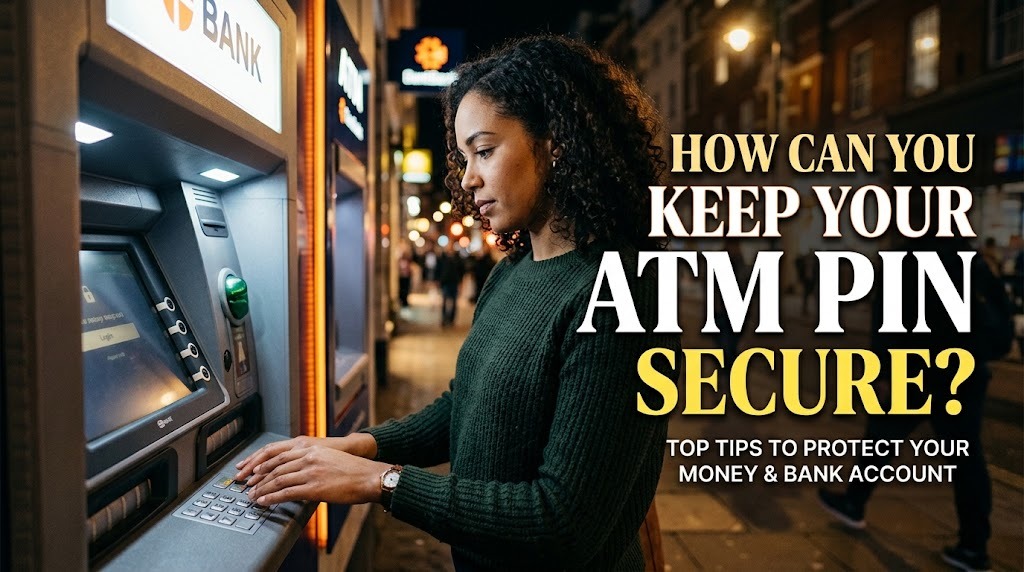
An ATM PIN is confidential information that helps protect access to certain banking services. Keeping it secure is important because the PIN may be used together with a bank card to verify the authorized user during specific transactions.
Good PIN security involves more than choosing a difficult number. Customers should protect the PIN when entering it, avoid sharing it, and remain cautious about messages or requests for confidential banking information.
KEEP YOUR ATM PIN CONFIDENTIAL
The most important step in protecting an ATM PIN is keeping it private. Do not share the number with friends, relatives, strangers, or anyone who asks for it through a phone call or message.
A PIN should remain known only to the authorized account holder. Even if someone claims to need the number for verification, do not provide it without independently confirming the request through an official bank channel.
Keeping your PIN confidential is a basic part of bank account security and can help reduce the risk of unauthorized access.
PROTECT YOUR PIN WHEN USING AN ATM
When entering your ATM PIN, pay attention to your surroundings. Cover the keypad with your hand or body so people nearby cannot easily see the numbers you enter.
Avoid allowing strangers to stand too close while you are completing a transaction. If the area feels unsafe or the ATM appears unusual, consider ending the transaction and using another verified machine.
These simple habits can improve ATM safety and reduce the chance of your PIN being observed.
AVOID STORING YOUR PIN IN AN INSECURE PLACE
Do not write your ATM PIN directly on your bank card or store it together with the card in an obvious location. If the card is lost, keeping the PIN nearby could increase the security risk.
Be careful when recording sensitive information on paper, phones, or other devices. If you need help remembering your PIN, use a private memory method rather than storing the actual number somewhere that others can easily access.
Protecting the PIN outside the ATM is just as important as protecting it during a transaction.
BE CAREFUL WITH SUSPICIOUS REQUESTS
Scammers may attempt to obtain banking information through calls, messages, emails, or social media. Be cautious if someone unexpectedly asks for your ATM PIN or claims that you must provide it to prevent an account problem.
Do not click suspicious links or provide confidential information through unverified channels. If you receive a request that appears to come from your bank, contact the bank directly using an official website, application, or customer service number.
Remember that your PIN is confidential information and should not be disclosed simply because someone claims to represent a financial institution.
MONITOR YOUR ACCOUNT AND FOLLOW BANK GUIDANCE
Keeping your ATM PIN secure should be combined with regular account monitoring. Check transaction notifications and account activity for anything you do not recognize.
If you believe your PIN may have been exposed, contact your bank through an official channel as soon as possible. The bank can provide guidance on whether you should change your PIN or take other security measures.
Following the bank's official recommendations can strengthen your overall banking security and help you respond appropriately to potential risks.
CONCLUSION
You can keep your ATM PIN secure by keeping it confidential, protecting the keypad when using an ATM, avoiding insecure storage, and staying alert to suspicious requests for banking information.
Regularly monitoring your account and following official bank security guidance can provide additional protection. Good ATM security habits can help reduce the risk of unauthorized access and keep your banking information safer.
Recent Posts

Bagaimana Sistem SKS pada Program Kuliah... 22.11.2026/35 View

How Does Technology Make Daily Evaluation... 21.11.2026/69 View

Apa Strategi Menghadapi Kesenjangan antara Kompetensi... 21.11.2026/69 View

Mengapa Inventaris Aset Penting bagi Kelancaran... 21.11.2026/67 View

When Should Musicians Join a Record... 21.11.2026/68 View
