

How Can You Prevent ATM PIN Misuse?
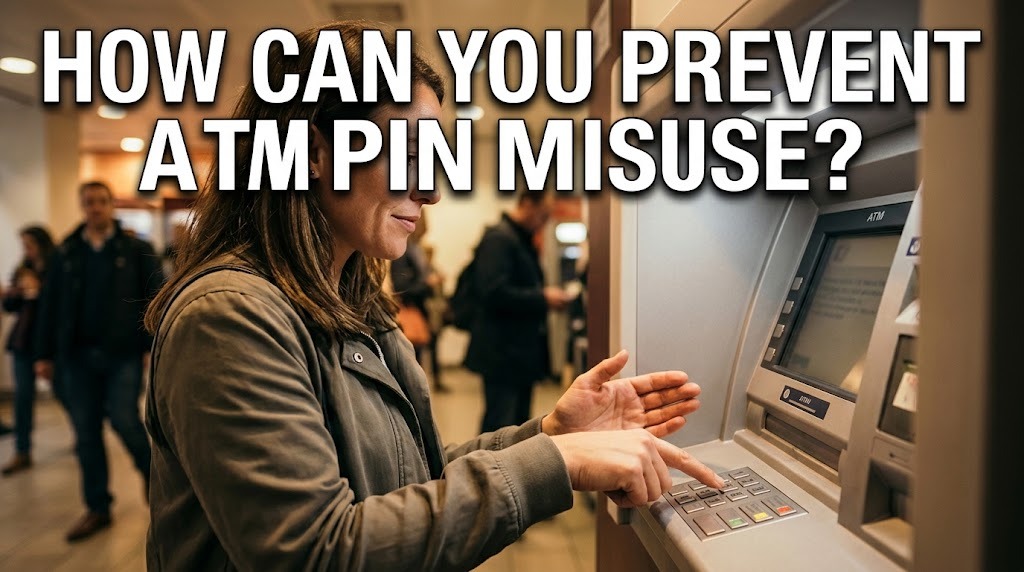
Preventing ATM PIN misuse is an important part of protecting your bank account and personal financial information. An ATM PIN is confidential and should only be known by the authorized account holder.
PIN misuse can happen when the number is shared, observed by another person, stored insecurely, or exposed through fraudulent requests. By following basic ATM security practices, customers can reduce the risk of unauthorized use.
KEEP YOUR ATM PIN CONFIDENTIAL
The first step to prevent ATM PIN misuse is to keep the number private. Never share your PIN with friends, relatives, strangers, or anyone who claims to need it for verification.
Avoid sending your PIN through text messages, email, social media, or other communication channels. Confidential banking information should only be handled through appropriate and secure banking procedures.
If someone asks for your ATM PIN, do not provide it. When in doubt, contact your bank through an official customer service channel.
USE A PIN THAT IS NOT EASY TO GUESS
A secure ATM PIN should not be based on information that other people can easily discover. Avoid using birthdays, phone numbers, simple sequences, or other predictable combinations.
Personal information may sometimes be available through social media or other public sources. Choosing a less predictable PIN can reduce the chance of someone making an educated guess.
At the same time, choose a PIN that you can remember securely. Avoid writing the actual number directly on your bank card.
PROTECT YOUR PIN WHEN USING AN ATM
When entering your ATM PIN, cover the keypad with your hand or body. This helps prevent people nearby from seeing the number you enter.
Check your surroundings before beginning a transaction and avoid accepting unnecessary assistance from strangers. If someone appears to be watching your transaction closely, consider cancelling it and using another ATM.
These simple steps can help prevent PIN exposure and strengthen your overall ATM security.
BE CAREFUL OF FRAUDULENT REQUESTS
PIN misuse can also result from fraudulent requests. Someone may pretend to represent a bank and ask you to provide your PIN, account information, or other confidential details.
Do not trust unexpected requests simply because the person uses a bank name or logo. If you receive a suspicious message or call, contact your bank directly using an official website, application, or customer service number.
Never click suspicious links or provide your banking credentials through an unverified channel.
MONITOR YOUR ACCOUNT AND ACT QUICKLY
Regularly checking your account activity can help you identify potential ATM PIN misuse. Pay attention to transaction notifications and investigate activity that you do not recognize.
If you believe someone may know your PIN, contact your bank through an official channel and ask what security measures should be taken. Depending on the situation, the bank may recommend changing the PIN or taking other protective steps.
Responding quickly to suspicious activity can help protect your bank account security and reduce potential risks.
CONCLUSION
You can prevent ATM PIN misuse by keeping your PIN confidential, choosing a less predictable number, protecting the keypad, being cautious of fraudulent requests, and regularly monitoring account activity.
Good ATM security habits are important for protecting banking information. If you suspect that your PIN has been exposed or misused, contact your bank through an official channel and follow its security recommendations.
Recent Posts

Bagaimana Sistem SKS pada Program Kuliah... 22.11.2026/35 View

How Does Technology Make Daily Evaluation... 21.11.2026/69 View

Apa Strategi Menghadapi Kesenjangan antara Kompetensi... 21.11.2026/69 View

Mengapa Inventaris Aset Penting bagi Kelancaran... 21.11.2026/67 View

When Should Musicians Join a Record... 21.11.2026/68 View
