

How Can You Protect Yourself from Fake Identity Scams?
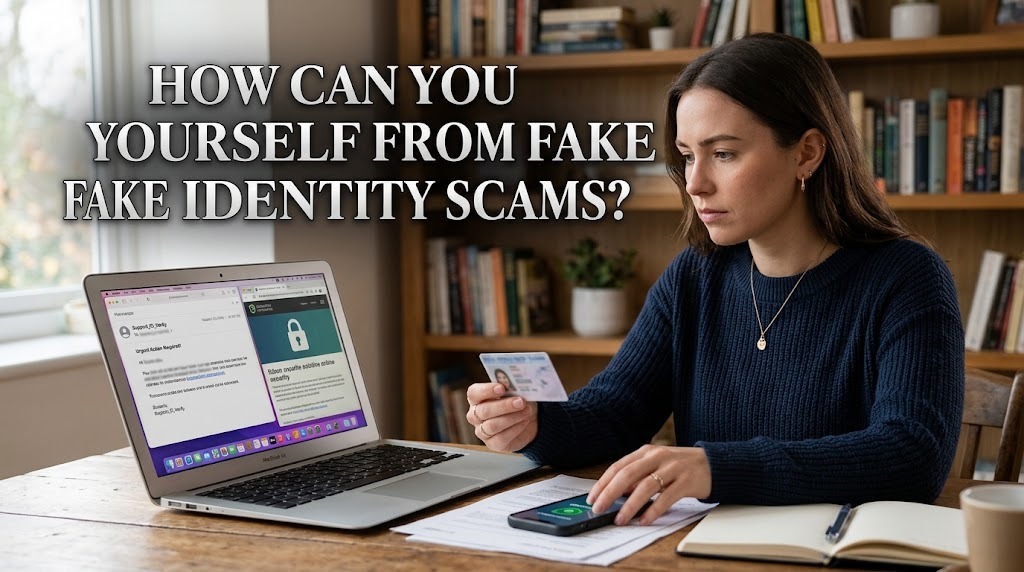
Fake identity scams are increasingly common in the digital era. Scammers use false personal information, stolen photos, fake documents, or someone else's identity to deceive victims and gain financial or personal benefits. These activities can happen through social media, online shopping platforms, dating applications, and financial services.
Many people become victims because they trust information without checking its authenticity. Fake identity scams can lead to financial losses, stolen personal data, damaged reputations, and other security problems. Therefore, understanding how to recognize suspicious identities and protect personal information is essential.
UNDERSTAND HOW FAKE IDENTITY SCAMS WORK
Fake identity scams happen when someone uses false, manipulated, or stolen personal information to pretend to be another person. Scammers may create fake social media accounts, use someone else's photographs, or provide misleading details about their background. Their main goal is usually to gain trust before asking victims for money, confidential information, or access to personal accounts.
These scams can happen in different situations. For example, someone may pretend to be a company representative and offer a fake job opportunity to collect identity documents. Others may create fake dating profiles to build emotional relationships before requesting financial assistance. Some scammers also impersonate friends, family members, or government officials to make their messages appear more trustworthy.
Understanding these methods is the first step toward preventing identity fraud. People should remember that an account displaying a familiar name or photograph does not automatically belong to the person it claims to represent. Scammers can easily copy publicly available information to make their identities look convincing.
RECOGNIZE THE WARNING SIGNS OF FAKE IDENTITIES
Recognizing suspicious behavior can help prevent fake identity scams before they cause serious problems. One common warning sign is inconsistent personal information, such as different names, occupations, locations, or backgrounds across several accounts. Scammers may also avoid video calls, refuse to provide reasonable verification, or give unclear explanations when asked about their identities.
Another warning sign is unusual communication behavior. Someone pretending to be a trusted person may suddenly ask for money, passwords, verification codes, or confidential documents. Messages containing threats, excessive urgency, or promises that seem too good to be true should also be treated carefully.
People should pay attention to newly created accounts with very little activity, unusual photographs, and suspicious links. However, these signs alone do not prove that an account is fraudulent. The safest approach is to examine several details together and verify important information through independent and trusted channels before taking action.
PROTECT YOUR PERSONAL INFORMATION ONLINE
Protecting personal information is one of the most effective ways to reduce the risk of identity theft. Avoid sharing sensitive details such as national identification numbers, banking information, passwords, home addresses, and personal documents with unknown individuals. Even information that appears harmless, including birthdays and family details, can sometimes be combined to support impersonation attempts.
Social media privacy settings should also be reviewed regularly. Limit who can see personal photographs, contact information, and other private details. Avoid publishing travel plans, identification documents, or information that could help strangers guess account security questions.
Strong passwords are equally important for online protection. Use different passwords for important accounts and consider using a password manager to store them securely. Enable two-factor authentication whenever available because it adds another layer of protection beyond a password. Never share one-time verification codes with anyone, even if they claim to represent a bank, online platform, or official institution.
VERIFY IDENTITIES BEFORE SHARING INFORMATION OR MONEY
Identity verification is an important step when communicating with unfamiliar people or conducting online transactions. Before trusting someone who claims to represent a company, organization, or financial institution, check their identity through official websites, verified contact details, or authorized communication channels. Do not rely entirely on telephone numbers, links, or documents provided by the person whose identity you are trying to verify.
For financial transactions, confirm the recipient's identity before transferring money. If someone claims to be a friend or family member using a new account or telephone number, contact that person through a previously known communication channel. This simple step can prevent scammers from taking advantage of familiar names and relationships.
When applying for jobs, renting properties, or using online services, check whether the organization has a legitimate presence. Be careful when someone requests identification documents before providing clear information about the purpose and security of the data collection. If documents must be submitted, use official platforms and provide only the information genuinely required for the process.
TAKE ACTION IF YOU ENCOUNTER A FAKE IDENTITY SCAM
If you suspect that someone is using a fake identity, stop communicating with the suspicious account and avoid sending money or additional personal information. Save relevant evidence, including screenshots, usernames, telephone numbers, transaction records, and messages. These details may help platforms, financial institutions, or authorities investigate the incident.
Report suspicious accounts through the reporting features provided by social media platforms, online marketplaces, or other relevant services. If financial information has been exposed, contact your bank or financial service provider immediately to secure your account and discuss possible protective measures. Change passwords for affected accounts and enable additional security features.
If your identity documents have been misused, contact the relevant issuing authority to ask about available protection and reporting procedures. Victims of financial fraud should also consider reporting the incident to the appropriate law enforcement authorities. Taking action quickly can reduce further losses and help prevent other people from becoming victims of similar scams.
CONCLUSION
Protecting yourself from fake identity scams requires awareness, careful verification, and responsible use of personal information. Recognizing suspicious behavior, securing online accounts, and checking identities before sharing money or confidential data can significantly reduce the risk of fraud. Never trust an online identity simply because it looks familiar or convincing. By staying alert and taking appropriate security measures, everyone can build safer digital habits and reduce the chances of becoming a victim of identity scams.
Recent Posts

Bagaimana Sistem SKS pada Program Kuliah... 22.11.2026/37 View

How Does Technology Make Daily Evaluation... 21.11.2026/70 View

Apa Strategi Menghadapi Kesenjangan antara Kompetensi... 21.11.2026/73 View

Mengapa Inventaris Aset Penting bagi Kelancaran... 21.11.2026/68 View

When Should Musicians Join a Record... 21.11.2026/71 View
