

How Can You Protect Yourself from the Sun's UV Radiation?
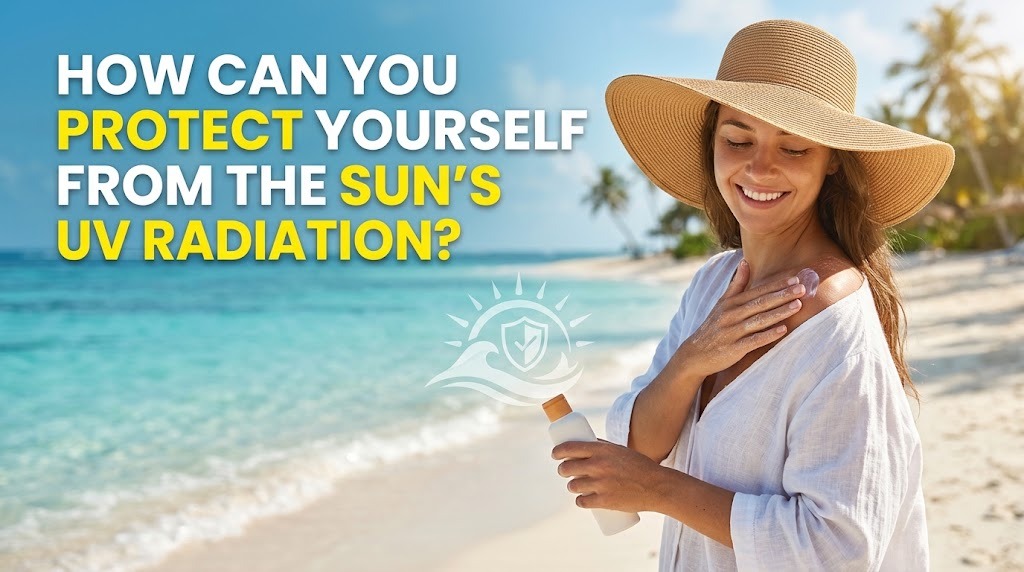
Sunlight emits energy known as ultraviolet (UV) radiation, which is divided into two primary types that reach the Earth's surface: UVA and UVB rays. While UV radiation helps our bodies produce essential Vitamin D, excessive exposure poses real health risks.
UVA rays penetrate deep into skin layers, contributing to premature skin aging, while UVB rays carry higher energy levels responsible for sunburns and skin cell damage. Protecting skin from both types of rays is essential for maintaining long-term dermatological health.
USING BROAD-SPECTRUM SUNSCREEN DAILY
Applying a generous layer of broad-spectrum sunscreen is one of the most effective ways to block harmful ultraviolet rays. Broad-spectrum formulas protect against both UVA and UVB radiation, reducing the risk of skin damage and cellular changes.
Dermatologists recommend choosing a sunscreen with a Sun Protection Factor (SPF) of 30 or higher. For optimal protection, sunscreen should be applied 20 minutes before going outside and reapplied every two hours, or immediately after swimming or heavy sweating.
SEEKING SHADE DURING PEAK HOURS
The sun's UV rays are at their strongest and most damaging during the middle of the day, typically between 10:00 AM and 4:00 PM. During these hours, UV radiation reaches its highest intensity levels, increasing the risk of rapid sunburn and skin inflammation.
Whenever possible, plan outdoor activities for early morning or late afternoon. If you are outside during peak hours, seek shade under trees, umbrellas, or outdoor canopies to minimize direct exposure to intense solar rays.
WEARING PROTECTIVE CLOTHING
Physical barriers provide excellent protection against ultraviolet radiation by preventing solar rays from contacting your skin directly. Wearing loosely fitted, tightly woven clothing shields large areas of your body from absorbing UV energy.
Many modern outdoor garments feature an Ultraviolet Protection Factor (UPF) rating, which measures how effectively the fabric blocks radiation. Combining protective shirts and pants with a wide-brimmed hat shields your face, neck, and ears from concentrated sunlight.
PROTECTING YOUR EYES WITH SUNGLASSES
Prolonged UV radiation exposure can damage sensitive eye tissues, increasing the risk of cataracts and ocular vision issues. Wearing proper protective eyewear ensures your eyes remain safe from both direct and reflected sunlight.
When purchasing sunglasses, choose pairs labeled to block 99% to 100% of UVA and UVB rays. Wrap-around style frames offer superior protection by preventing solar rays from entering through the sides of the glasses.
MONITORING THE DAILY UV INDEX
The UV Index is a daily international standard measurement that predicts the strength of ultraviolet radiation in a specific location. Checking the UV Index on weather apps helps you plan appropriate sun protection strategies before heading outdoors.
- Index 0 to 2 (Low): Minimal protection required for short outdoor activities.
- Index 3 to 7 (Moderate to High): Sunscreen, hat, and sunglasses are strongly recommended.
- Index 8+ (Very High to Extreme): Full protection required; limit time outside during peak hours.
Understanding daily UV strength empowers you to make informed safety choices based on real-time environmental conditions.
CONCLUSION
In conclusion, protecting yourself from UV radiation requires a combination of broad-spectrum sunscreen, protective clothing, and smart habits. By seeking shade during peak hours and wearing UV-blocking sunglasses, you significantly reduce potential skin and eye damage.
Consistently monitoring the daily UV Index ensures you adapt your protection levels to changing environmental conditions. Practicing safe sun habits every day allows you to enjoy outdoor activities while keeping your skin healthy and well protected.
Recent Posts

Bagaimana Sistem SKS pada Program Kuliah... 22.11.2026/53 View

How Does Technology Make Daily Evaluation... 21.11.2026/82 View

Apa Strategi Menghadapi Kesenjangan antara Kompetensi... 21.11.2026/81 View

Mengapa Inventaris Aset Penting bagi Kelancaran... 21.11.2026/77 View

When Should Musicians Join a Record... 21.11.2026/82 View
