

How Can You Recognize a Fake Identity on Social Media?
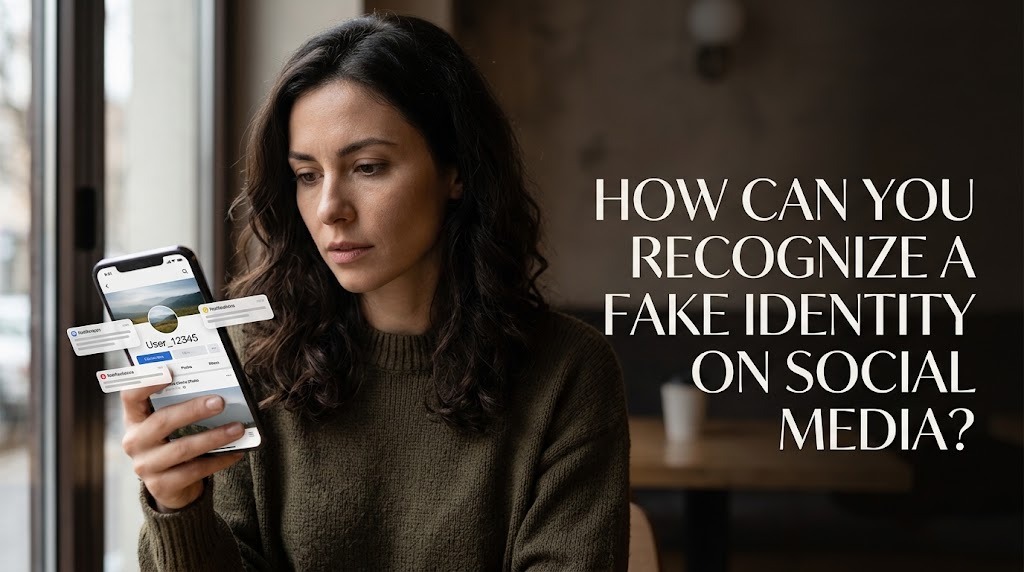
Social media has become an important part of everyday life. People use various platforms to communicate, build relationships, share information, and conduct business. However, the increasing use of social media has also created opportunities for individuals to misuse other people's identities or create fake profiles to deceive others.
Recognizing a fake identity on social media is important to protect personal information, maintain online security, and avoid digital scams. Fake accounts can appear convincing because they often use profile pictures, personal information, and posts that look realistic. Therefore, users need to understand the characteristics of suspicious accounts and know how to verify someone's identity before trusting them.
WHAT IS A FAKE IDENTITY ON SOCIAL MEDIA?
A fake identity on social media refers to the use of false personal information to create an account or pretend to be another person. Someone may use a fake name, stolen photographs, fabricated biographical details, or another person's identity without permission. These accounts are commonly created to deceive other users, gain trust, or carry out harmful activities.
Not all fake accounts have the same purpose. Some are created for entertainment, while others are used for impersonation, online fraud, spreading misleading information, or stealing personal data. In more serious situations, criminals may pretend to be friends, public figures, company representatives, or romantic partners to manipulate their victims.
Understanding what a fake identity means can help social media users become more careful when interacting with unfamiliar accounts. It is important to remember that an account with many followers or professional-looking content is not automatically genuine. Every online identity should be evaluated based on its available information and behavior.
COMMON SIGNS OF A FAKE IDENTITY ON SOCIAL MEDIA
One of the easiest ways to recognize a fake identity is by examining the account profile. Suspicious accounts may use profile pictures that appear overly professional, inconsistent, or unrelated to the information provided. Some accounts also have incomplete biographies, unusual usernames, limited personal details, or recently created profiles.
Another warning sign is inconsistent information. For example, an account may claim to live in one country but regularly share information suggesting a different location. The person's age, occupation, educational background, and personal history may also change between conversations or posts. These inconsistencies do not automatically prove that an account is fake, but they can indicate that further verification is necessary.
Users should also pay attention to suspicious communication patterns. Fake accounts may send unexpected messages, offer attractive opportunities, request money, or ask for confidential information. Some may quickly build emotional relationships to gain trust before asking for financial assistance. These behaviors should be treated carefully, especially when the person refuses to verify their identity.
HOW TO CHECK WHETHER A SOCIAL MEDIA ACCOUNT IS REAL
The first step in checking an account is reviewing its profile information. Look at the account's creation history when available, profile description, photographs, posts, and interactions with other users. Genuine accounts often show a more consistent history of activity, although some legitimate users may have private or newly created profiles.
Another useful method is performing a reverse image search. This technique allows users to check whether a profile photograph appears on other websites or belongs to someone else. If the same photograph appears under several different names, it may indicate that the image has been copied or misused. However, finding an identical image does not automatically establish that the account owner has committed fraud.
Users can also compare information across other communication channels. For example, if someone claims to represent a company, check whether their name and position appear on the company's official website or verified social media account. If someone claims to be a public figure, look for confirmation through their official channels.
Direct verification is also important. Users can request a video call or another reasonable way to confirm someone's identity, especially before making financial transactions or sharing sensitive information. Avoid relying entirely on screenshots, profile photographs, or documents sent through private messages because these materials can be manipulated.
RISKS OF INTERACTING WITH FAKE SOCIAL MEDIA ACCOUNTS
Interacting with fake identities can expose users to several forms of online crime. One common risk is identity theft, which occurs when someone uses another person's personal information without permission. Stolen information may include names, photographs, phone numbers, addresses, and other private details.
Financial fraud is another serious threat. Fake accounts may pretend to offer investment opportunities, sell products, provide employment, or request emergency financial assistance. Victims may transfer money without realizing that the person behind the account is using a false identity. Some scammers also send malicious links designed to steal passwords or gain unauthorized access to personal accounts.
Fake identities can also cause emotional and reputational damage. Impersonation accounts may spread false information, damage someone's reputation, or use another person's photographs to deceive others. In addition, victims may experience stress, embarrassment, and a loss of trust in online communication.
These risks show why social media users should avoid sharing sensitive information with people they have not properly verified. Being cautious when accepting friend requests, responding to private messages, and clicking unfamiliar links can reduce the possibility of becoming a victim.
HOW TO PROTECT YOURSELF FROM FAKE IDENTITIES ON SOCIAL MEDIA
Protecting yourself from fake identities starts with managing your personal information carefully. Avoid publicly sharing sensitive details such as your home address, phone number, financial information, identification documents, or daily routines. The less personal information available publicly, the harder it becomes for criminals to use those details for impersonation or fraud.
Use strong and unique passwords for your social media accounts and activate two-factor authentication whenever possible. These security measures can make it more difficult for unauthorized individuals to access your account. You should also review your privacy settings regularly to control who can see your personal information, photographs, and posts.
If you discover an account pretending to be someone else, do not immediately engage in arguments or follow its requests. Save relevant evidence, report the account through the platform's reporting feature, and block it if necessary. If the account uses your identity, inform your friends and family so they do not become victims of further deception.
Most importantly, develop a habit of checking information before trusting people online. Be especially careful when an unfamiliar account requests money, asks for verification codes, or pressures you to make quick decisions. A cautious approach can help protect your digital identity and create a safer social media experience.
CONCLUSION
Recognizing a fake identity on social media requires attention to profile information, account activity, communication patterns, and identity verification. Suspicious photographs, inconsistent personal details, unusual requests, and attempts to obtain private information can be warning signs of impersonation or online fraud.
Social media users should protect their personal information, use available security features, and verify unfamiliar accounts before developing trust. By understanding the risks and practicing safe online habits, everyone can reduce the chances of becoming a victim of fake identities and enjoy a more secure digital environment.
Recent Posts

Bagaimana Sistem SKS pada Program Kuliah... 22.11.2026/37 View

How Does Technology Make Daily Evaluation... 21.11.2026/70 View

Apa Strategi Menghadapi Kesenjangan antara Kompetensi... 21.11.2026/73 View

Mengapa Inventaris Aset Penting bagi Kelancaran... 21.11.2026/68 View

When Should Musicians Join a Record... 21.11.2026/71 View
