

How Can You Recognize the Early Signs of Concentration Problems?
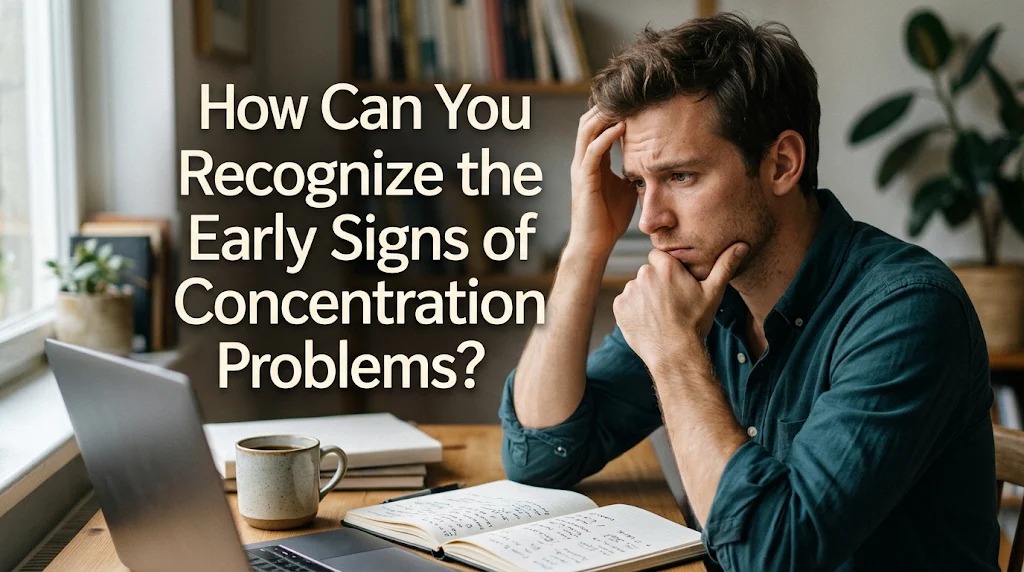
Concentration is an important ability that helps people complete tasks, understand information, and stay focused on daily activities. However, some individuals experience difficulties maintaining attention, even when performing simple activities. Concentration problems can affect children, teenagers, and adults, making it harder to study, work, follow instructions, or remember important information.
Recognizing the early signs of concentration problems is important because it allows individuals to understand their difficulties and find appropriate solutions before they interfere with everyday life. These signs may appear gradually and can be influenced by various factors, including stress, lack of sleep, excessive screen time, and certain health conditions.
FREQUENTLY LOSING FOCUS DURING ACTIVITIES
One of the earliest signs of concentration problems is frequently losing focus while performing everyday activities. Individuals may begin a task with good intentions but quickly become distracted by surrounding noises, notifications, conversations, or unrelated thoughts. As a result, they may struggle to complete activities that require continuous attention.
For example, students may find it difficult to concentrate during classroom lessons, while adults may repeatedly lose focus when reading documents or completing work assignments. They might also switch between several activities without finishing the original task.
Occasionally losing focus is normal, especially when someone feels tired or overwhelmed. However, when this happens frequently and begins to interfere with daily responsibilities, it may indicate a concentration difficulty that deserves attention.
EASILY FORGETTING INFORMATION AND INSTRUCTIONS
Another early sign of concentration problems is having difficulty remembering information that was recently received. People who struggle to maintain attention may not fully process what they hear or read. Consequently, they may forget instructions, important details, or information from conversations.
For example, students may forget homework instructions shortly after a teacher explains them. Adults may also need repeated reminders about appointments, work responsibilities, or daily tasks. These situations can create misunderstandings and make everyday activities more complicated.
It is important to understand that concentration and memory are closely connected. When attention is interrupted, the brain may not process information effectively, making it harder to remember later. Developing better listening habits and writing down important information can help reduce these difficulties.
TAKING LONGER TO COMPLETE SIMPLE TASKS
People experiencing concentration problems often need more time to complete activities that would normally require less effort. They may repeatedly stop working, become distracted, or struggle to decide what to do next. Even simple responsibilities can feel challenging when attention is difficult to maintain.
For instance, students may spend several hours completing homework because they frequently check their phones or lose track of their assignments. Similarly, employees may take longer to finish reports because they struggle to remain focused on one responsibility.
This situation can affect productivity and create unnecessary pressure. Breaking large activities into smaller tasks, setting realistic deadlines, and reducing distractions can help individuals manage their time more effectively.
BECOMING EASILY DISTRACTED AND RESTLESS
Being easily distracted is another common sign of concentration difficulties. Individuals may find it difficult to ignore background noises, movements, conversations, or other environmental distractions. Their attention can quickly shift away from the activity they are supposed to complete.
Some people may also experience restlessness when trying to concentrate. They might frequently change positions, move their hands, check their devices, or feel uncomfortable when sitting for extended periods. In children, this behavior may become noticeable during classroom activities or quiet study sessions.
However, restlessness does not automatically indicate a medical condition. Environmental factors, tiredness, stress, and individual differences can also influence attention. Observing how frequently these behaviors occur and whether they interfere with daily activities can help determine whether further support is needed.
LOSING INTEREST AND STRUGGLING TO STAY MOTIVATED
Difficulty maintaining concentration can sometimes appear as reduced interest in activities that previously felt enjoyable or meaningful. Individuals may struggle to stay engaged with school assignments, reading, hobbies, or work responsibilities. They might begin an activity enthusiastically but quickly lose motivation before completing it.
Repeated difficulties can also create frustration and reduce confidence. Students may feel discouraged when they cannot understand lessons, while adults may become stressed when they repeatedly fail to complete their responsibilities on time. These experiences can make it increasingly difficult to maintain consistent learning or working habits.
Nevertheless, losing interest can have several causes, including emotional stress, exhaustion, and changes in personal circumstances. If the problem continues and affects daily functioning, discussing it with a qualified professional can help identify the underlying reasons.
CONCLUSION
Early signs of concentration problems include frequently losing focus, forgetting instructions, taking longer to complete tasks, becoming easily distracted, and struggling to maintain motivation. These difficulties can affect academic performance, workplace productivity, and everyday responsibilities.
Recognizing these signs early can help individuals develop healthier habits and seek appropriate support. Getting enough sleep, maintaining a balanced routine, limiting distractions, and managing stress can support better concentration. If attention difficulties persist, become increasingly disruptive, or interfere with daily life, professional evaluation can help identify possible causes and suitable solutions.
Recent Posts

Bagaimana Sistem SKS pada Program Kuliah... 22.11.2026/4 View

How Does Technology Make Daily Evaluation... 21.11.2026/63 View

Apa Strategi Menghadapi Kesenjangan antara Kompetensi... 21.11.2026/64 View

Mengapa Inventaris Aset Penting bagi Kelancaran... 21.11.2026/61 View

When Should Musicians Join a Record... 21.11.2026/59 View
