

How Can You Reduce Excessive Sitting Habits?
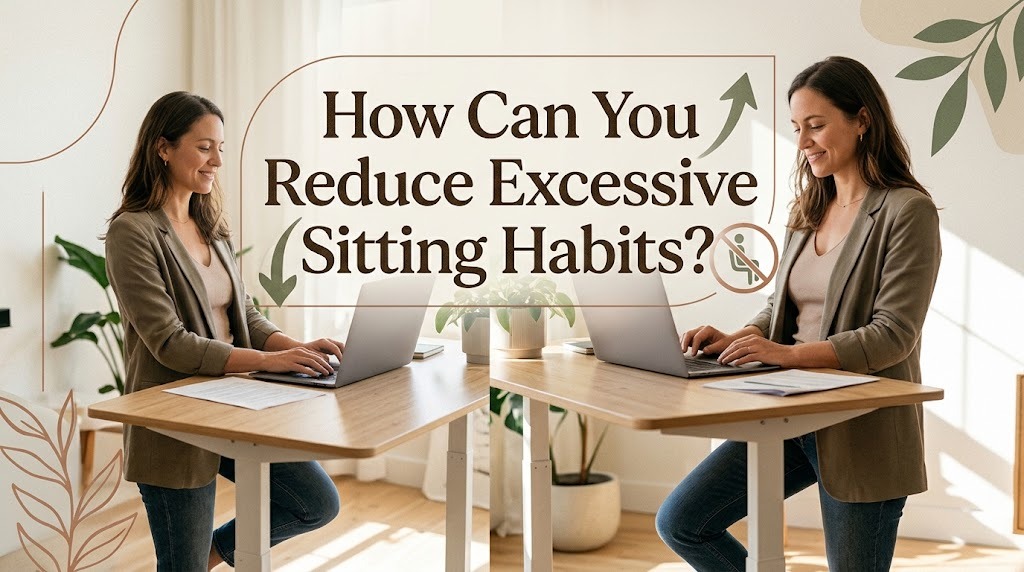
Sitting is a normal part of daily life, especially for people who study, work at a desk, drive, or spend time using digital devices. However, sitting for long periods with little movement can contribute to physical discomfort and reduce opportunities for physical activity. Over time, prolonged sedentary behavior is associated with health risks, including cardiovascular disease and type 2 diabetes.
Reducing excessive sitting does not require major lifestyle changes. Simple habits, such as standing regularly, walking during breaks, and choosing active alternatives for everyday tasks, can help people move more throughout the day. By making movement part of a daily routine, it becomes easier to support physical health and overall well-being.
UNDERSTAND THE EFFECTS OF PROLONGED SITTING
Long periods of sitting reduce the amount of movement performed throughout the day. When people remain in the same position for hours, they may experience stiffness in the neck, shoulders, hips, and lower back. Sitting for extended periods can also make it easier to accumulate too little physical activity.
Regular movement helps muscles work, supports circulation, and contributes to overall fitness. Although sitting itself is not necessarily harmful, spending most waking hours seated without enough movement may increase long-term health risks. Understanding these effects can motivate people to make small but consistent changes to their routines.
TAKE REGULAR MOVEMENT BREAKS
One practical way to reduce excessive sitting is to interrupt long periods of sitting with short movement breaks. Standing up, stretching, or walking around the room can help reduce stiffness and encourage more movement throughout the day. These breaks are especially useful for students and office workers who spend hours concentrating on tasks.
Try setting a reminder to move periodically, such as every 30 to 60 minutes. This interval is a practical suggestion rather than a strict medical rule, so it can be adjusted to suit individual needs and work requirements. Even brief movement breaks are useful opportunities to change position and avoid remaining seated continuously.
CREATE A MORE ACTIVE WORKSPACE
The arrangement of a workspace can influence how much a person moves during the day. Keeping frequently used items within reasonable reach may be convenient, but standing up to collect documents, refill water, or organize supplies can create natural opportunities for movement. A workspace that allows comfortable standing can also provide more flexibility.
If possible, consider using an adjustable desk or alternating between sitting and standing while working. Standing for the entire day is not ideal either, because prolonged standing can cause discomfort. Changing positions regularly and maintaining a comfortable posture are more practical than replacing all sitting time with standing.
WALK DURING SHORT BREAKS
Walking is a simple way to add physical activity to an otherwise sedentary schedule. Instead of remaining seated during every break, walk around the building, take a short outdoor stroll, or move through the room between tasks. These activities require little equipment and can fit into many daily routines.
Students can walk between classes when time permits, while workers can take a short walk after completing a meeting or assignment. Walking while making phone calls may also help increase movement, provided it is safe and does not interfere with the task. Over time, these small choices can contribute to greater daily activity.
REPLACE SOME SITTING ACTIVITIES WITH ACTIVE OPTIONS
Many everyday activities can be adjusted to involve more movement. For example, people can walk to nearby destinations when practical, use stairs instead of elevators when appropriate, or perform light household chores during free time. These choices help make movement a natural part of daily life.
Leisure time can also provide opportunities to reduce sitting. Instead of spending every break watching videos or browsing social media, consider gardening, dancing, playing an active game, or taking a walk with friends. There is no need to eliminate relaxing activities completely; balancing seated recreation with movement is the main goal.
REDUCE CONTINUOUS SCREEN TIME
Computers, smartphones, and televisions can encourage long periods of sitting, particularly when people use several devices throughout the day. Studying and working online may be necessary, but recreational screen time can often be managed more intentionally. Setting limits for nonessential use can create more opportunities for movement.
Try taking a walking break between episodes, standing during suitable phone conversations, or placing the phone aside during meals. For school or work tasks, schedule movement breaks between activities rather than interrupting important work unnecessarily. These small adjustments can help reduce prolonged sitting without preventing productive device use.
IMPROVE POSTURE AND STRETCH REGULARLY
Maintaining a comfortable posture can help reduce discomfort associated with desk work. Keep the screen at a suitable height, relax the shoulders, support the lower back, and position the feet comfortably. Avoid staying in one rigid posture for too long, even when the posture initially feels comfortable.
Gentle stretching can help relieve stiffness after extended sitting. Shoulder rolls, neck movements within a comfortable range, standing stretches, and gentle hip movements are possible options. Stretching should not cause sharp pain, and people with injuries or specific medical conditions may need individualized advice.
BUILD A CONSISTENT PHYSICAL ACTIVITY ROUTINE
Movement breaks are useful, but they do not replace the broader benefits of regular exercise. Adults are generally advised to aim for at least 150 minutes of moderate-intensity aerobic activity per week, alongside muscle-strengthening activities on at least two days, according to World Health Organization guidance. Some activity is better than none, and people can build up gradually according to their abilities.
Activities such as brisk walking, cycling, swimming, and dancing can help improve fitness. Beginners may start with short sessions and gradually increase their duration as their stamina improves. Choosing enjoyable activities makes it easier to maintain a consistent routine over time.
MAKE MOVEMENT A DAILY HABIT
Reducing excessive sitting becomes easier when movement is connected to existing routines. For example, stand up after finishing a study chapter, walk briefly after lunch, or stretch before starting a new task. Linking movement to familiar activities reduces the need to rely entirely on motivation.
It may also help to track daily steps or mark movement breaks on a calendar. The purpose is not to achieve a perfect score but to recognize patterns and identify realistic opportunities to move more. Small, repeatable changes can be more sustainable than trying to transform an entire routine at once.
CONCLUSION
Reducing excessive sitting habits involves taking regular movement breaks, walking more often, adjusting the workspace, managing recreational screen time, and building a consistent exercise routine. These strategies can help limit prolonged sedentary periods and support better physical well-being.
The most effective approach is to make movement practical and sustainable. By changing positions regularly and incorporating physical activity into everyday responsibilities, people can reduce continuous sitting without abandoning study, work, or relaxation.
Recent Posts

Bagaimana Sistem SKS pada Program Kuliah... 22.11.2026/61 View

How Does Technology Make Daily Evaluation... 21.11.2026/87 View

Apa Strategi Menghadapi Kesenjangan antara Kompetensi... 21.11.2026/85 View

Mengapa Inventaris Aset Penting bagi Kelancaran... 21.11.2026/83 View

When Should Musicians Join a Record... 21.11.2026/87 View
