

How Can You Tailor a Job Application Letter to Match Company Requirements?
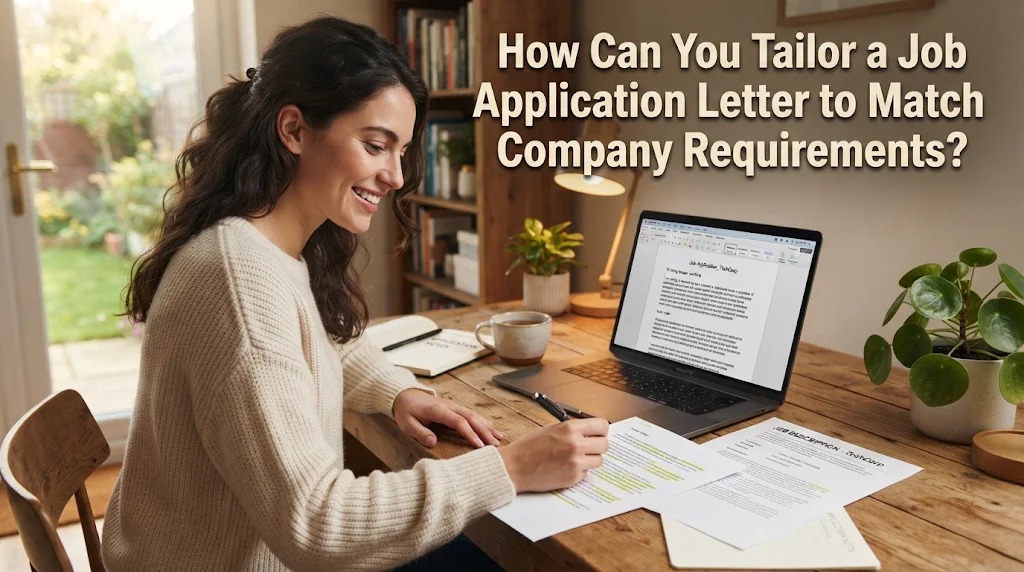
A job application letter is an important document that helps applicants introduce themselves to potential employers. However, sending the same application letter to every company may reduce the opportunity to stand out during recruitment. Each company has different expectations, job responsibilities, and qualifications for its employees. Therefore, applicants need to adjust their letters to match the specific requirements of the position they want. A well-tailored job application letter demonstrates that candidates understand the company, have relevant abilities, and are genuinely interested in the opportunity.
UNDERSTAND THE COMPANY AND ITS REQUIREMENTS
The first step in tailoring a job application letter is understanding the company and the position being offered. Applicants should research the company's background, industry, products, services, and working environment. This information helps candidates understand what the employer expects from potential employees. They should also read the job advertisement carefully to identify the required qualifications, responsibilities, and skills. By understanding these details, applicants can prepare a letter that is relevant to the company's needs.
Researching the company also helps applicants understand its values and professional expectations. For example, a company that prioritizes customer satisfaction may prefer candidates with strong communication and problem-solving skills. Meanwhile, a technology company may focus more on technical knowledge and the ability to adapt to new developments. Applicants can use this information to explain why their backgrounds are suitable for the organization. This approach makes the application more specific and meaningful.
MATCH YOUR SKILLS WITH JOB REQUIREMENTS
Applicants should highlight skills that are directly related to the position they are applying for. Every job has different requirements, so candidates need to identify which abilities are most relevant to the advertised role. These may include communication, teamwork, leadership, computer skills, technical knowledge, or problem-solving abilities. Instead of mentioning every skill they have, applicants should focus on those that demonstrate their suitability for the position. This makes the application letter more effective and easier for recruiters to evaluate.
It is also important to explain how these skills were developed or used in real situations. Applicants can mention experiences from previous employment, internships, volunteer activities, or academic projects. For example, someone applying for an administrative position can describe their experience organizing documents and managing schedules. Fresh graduates can highlight relevant coursework, organizational activities, and practical assignments. Providing specific examples makes their qualifications more convincing.
CUSTOMIZE THE LETTER FOR EACH COMPANY
A job application letter should be adjusted according to the company and position being targeted. Applicants should avoid sending identical letters to different employers because each organization may have different expectations. The company name, job title, and relevant qualifications should be included accurately. Candidates should also explain why they are interested in joining that particular organization. These adjustments show that the application was prepared specifically for the opportunity.
Customizing the opening and closing paragraphs can also make a letter more relevant. In the opening, applicants should clearly mention the position they are applying for and where they found the vacancy information. In the main section, they can connect their abilities with the company's requirements. The closing should express appreciation and interest in discussing their qualifications further. A personalized letter demonstrates genuine interest and makes the application more professional.
USE RELEVANT EXPERIENCE AND ACHIEVEMENTS
Relevant experience helps employers understand how applicants can contribute to their organization. Candidates should select experiences that support the responsibilities of the advertised position. These experiences do not always have to come from full-time employment. Internships, freelance projects, volunteer activities, and academic assignments can also demonstrate valuable abilities. The most important thing is to explain how those experiences relate to the job requirements.
Applicants should also include achievements that provide evidence of their abilities. For example, they can mention successfully completing a project, improving an administrative process, organizing an event, or achieving a particular academic result. Whenever possible, measurable results can make these achievements more convincing. However, applicants must ensure that all information is accurate and can be supported if recruiters ask for further details. Relevant examples help employers evaluate the candidate's potential more effectively.
USE PROFESSIONAL LANGUAGE AND FOLLOW APPLICATION INSTRUCTIONS
Professional language is essential when preparing a job application letter that matches company requirements. Applicants should use polite expressions, correct grammar, and clear sentences throughout the document. The writing style should be formal but natural so that recruiters can understand the message easily. Avoiding slang, unnecessary abbreviations, and overly complicated expressions helps maintain a professional impression. A clear writing style also reflects the applicant's ability to communicate in a workplace environment.
Besides language, candidates must follow the instructions provided in the job advertisement. Some companies require specific documents, particular file formats, email subject lines, or application methods. Applicants should check these requirements before submitting their letters. They should also review the company name, recipient details, contact information, and spelling to prevent mistakes. Following instructions carefully demonstrates attention to detail and respect for the recruitment process.
CONCLUSION
Tailoring a job application letter to match company requirements requires careful research, relevant skills, and a clear understanding of the advertised position. Applicants should customize each letter, highlight suitable experiences, and explain how their qualifications can benefit the organization. Using professional language and following application instructions are equally important. By preparing a specific and well-organized letter, candidates can demonstrate genuine interest, create a positive impression, and improve their chances of being considered by recruiters.
Recent Posts

How Does Technology Make Daily Evaluation... 21.11.2026/56 View

Apa Strategi Menghadapi Kesenjangan antara Kompetensi... 21.11.2026/58 View

Mengapa Inventaris Aset Penting bagi Kelancaran... 21.11.2026/52 View

When Should Musicians Join a Record... 21.11.2026/53 View

Daily Evaluation or Daily Planning Which... 21.11.2026/60 View
