

How Can You Write an Emergency Work Leave Letter?
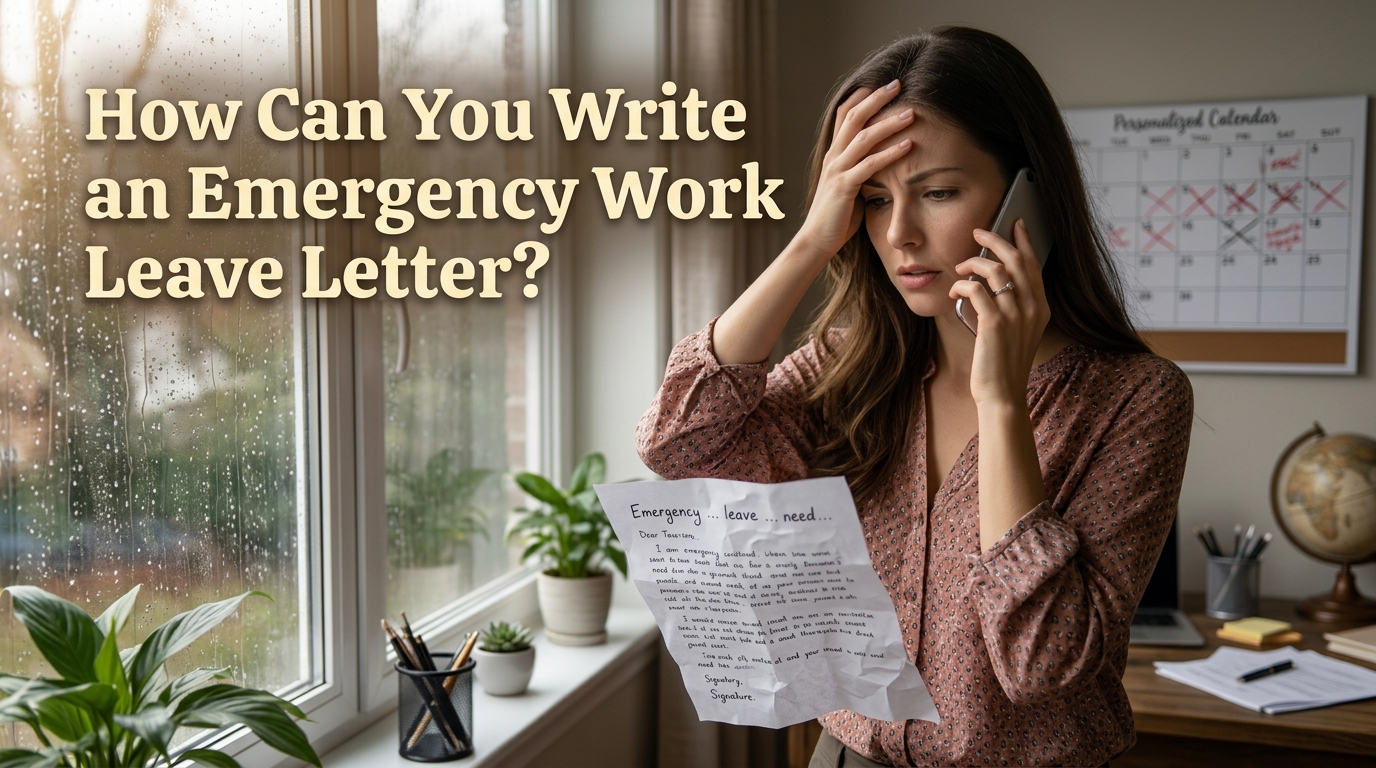
An emergency work leave letter is an official document used by employees to inform their employers that they need to take unexpected time off due to urgent personal circumstances. Emergencies can happen at any time, including sudden illness, family problems, accidents, or other situations that require immediate attention. In these circumstances, employees may not have enough time to submit a regular leave request in advance.
Writing a clear and professional emergency leave letter is important because it helps employers understand the situation and make appropriate arrangements. The letter should explain the reason for the absence, the expected leave period, and any important information related to work responsibilities. By using polite and direct language, employees can communicate their needs effectively while maintaining professional relationships.
WHAT IS AN EMERGENCY WORK LEAVE LETTER?
An emergency work leave letter is a formal written notification or request submitted when an employee needs to be absent from work unexpectedly. Unlike planned annual leave, emergency leave usually involves situations that cannot be predicted or postponed. Employees may need time away from work to handle medical emergencies, family matters, accidents, or urgent personal responsibilities. The letter provides an official explanation of the absence to the employer.
This document can be submitted through email, a company messaging platform, an internal leave system, or a printed letter, depending on workplace procedures. It helps managers understand why an employee cannot attend work and how long the absence may last. In some organizations, employees may also need to complete an official leave application after the immediate emergency has been addressed. Therefore, understanding company policies is important when submitting an emergency leave request.
WHEN SHOULD YOU WRITE AN EMERGENCY WORK LEAVE LETTER?
An emergency work leave letter should be written when an unexpected situation prevents an employee from performing normal work responsibilities. One common reason is a sudden health problem, such as an illness or injury that requires immediate medical attention. Employees may also need emergency leave when a close family member experiences a serious health condition or accident. These circumstances may require employees to prioritize urgent personal responsibilities.
Other situations can include unexpected household emergencies, transportation accidents, or urgent family matters. However, employees should distinguish between genuine emergencies and situations that can be planned in advance. When possible, they should notify their supervisor as soon as they know they cannot attend work. Early communication helps the company adjust schedules and arrange temporary coverage.
IMPORTANT ELEMENTS OF AN EMERGENCY WORK LEAVE LETTER
A good emergency leave letter should contain complete information so that employers can understand the request quickly. Start by including the employee's full name, job position, department, and the date the letter is written. Address the letter to the appropriate supervisor, manager, or human resources representative. A clear subject line, such as Emergency Leave Request, helps the recipient identify the purpose immediately.
The main paragraph should explain the reason for the emergency in a brief and respectful manner. Include the date when the leave begins and the estimated return date, if known. Employees should also mention whether urgent tasks need to be transferred to another colleague. Finally, add a polite closing and relevant contact information so the employer can reach you if necessary.
HOW TO WRITE AN EMERGENCY WORK LEAVE LETTER STEP BY STEP
Writing an emergency leave letter does not need to be complicated. The first step is to contact your supervisor or manager as soon as possible through an appropriate communication channel. Explain that an unexpected situation requires you to take time away from work. After providing the initial notification, prepare a formal written request according to company procedures.
Next, write a clear subject line and explain the emergency using simple, professional language. Mention the expected duration of the absence without providing unnecessary personal details. If the return date is uncertain, explain that you will provide an update when more information becomes available. End the letter by thanking the employer for their understanding and confirming your willingness to complete any required administrative procedures.
EXAMPLE OF A PROFESSIONAL EMERGENCY WORK LEAVE LETTER
An example can make it easier to understand how an emergency leave request should be structured. The following template can be adjusted according to the employee's circumstances and company requirements.
Subject: Emergency Work Leave Request
Dear [Manager's Name],
I am writing to inform you that I need to request emergency leave starting from [Date] due to an unexpected personal situation that requires my immediate attention.
I apologize for the short notice and any inconvenience this may cause. I will do my best to provide updates regarding my expected return date and coordinate any urgent responsibilities whenever possible.
I would appreciate your understanding and consideration of this request. Please let me know if any additional information or supporting documents are required.
Thank you for your time and understanding.
Sincerely,
[Employee's Full Name]
[Job Position]
[Department]
[Contact Information]
This template uses polite and professional language while keeping the explanation straightforward. Employees can modify the reason for leave and other details to match their actual situation. If the emergency prevents them from preparing a formal letter immediately, an initial phone call or short message may be appropriate, followed by written documentation when possible.
TIPS FOR WRITING AN EFFECTIVE EMERGENCY LEAVE REQUEST
When writing an emergency leave request, employees should prioritize clarity and accuracy. Explain the situation briefly and avoid adding information that is not relevant to the request. Use respectful expressions and make sure the leave dates are correct. If the expected return date is uncertain, communicate that clearly instead of providing an inaccurate estimate.
Another important tip is to follow the company's emergency leave procedures. Some organizations require supporting documents, such as medical certificates or other relevant evidence, depending on the reason for leave and applicable policies. Employees should also inform their supervisors about urgent assignments that may need temporary attention. Keeping communication open can help reduce workplace disruptions during an unexpected absence.
COMMON MISTAKES TO AVOID WHEN REQUESTING EMERGENCY LEAVE
One common mistake is failing to notify the employer as soon as possible. Even when an emergency occurs suddenly, employees should try to contact their supervisors through available communication channels. Another mistake is providing incomplete information, such as leaving out the absence date or failing to explain whether the return date is known. These details are important for managing work schedules.
Employees should also avoid using informal, demanding, or unclear language in official written requests. Providing false information or promising a specific return date without certainty can create additional problems. In addition, ignoring company procedures may delay the administrative process. By avoiding these mistakes, employees can make their emergency leave requests more understandable and professional.
CONCLUSION
Writing an emergency work leave letter requires clear information, polite language, and an appropriate explanation of the unexpected situation. Employees should include their personal details, the reason for the absence, the requested leave period, and relevant information about work responsibilities. A well-organized letter helps employers understand the circumstances and make necessary workplace arrangements.
Although emergencies cannot always be predicted, employees should communicate with their supervisors as soon as possible and follow company leave policies. By preparing a professional emergency leave request, employees can handle unexpected situations responsibly while maintaining good relationships and effective communication in the workplace.
Recent Posts

Bagaimana Sistem SKS pada Program Kuliah... 22.11.2026/37 View

How Does Technology Make Daily Evaluation... 21.11.2026/70 View

Apa Strategi Menghadapi Kesenjangan antara Kompetensi... 21.11.2026/73 View

Mengapa Inventaris Aset Penting bagi Kelancaran... 21.11.2026/68 View

When Should Musicians Join a Record... 21.11.2026/71 View
