

How Can Young People Help Preserve Cultural Heritage?
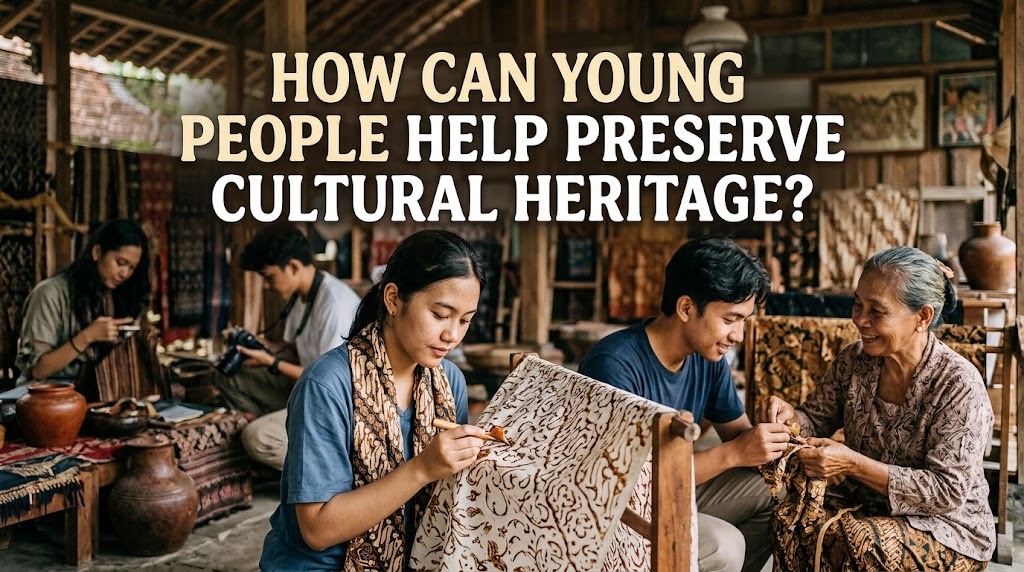
Cultural heritage is an important part of human history and identity. It includes traditional dances, music, languages, historical buildings, local crafts, traditional clothing, and customs passed down from one generation to another. However, some cultural traditions are becoming less familiar to young people because of modernization, urbanization, and changing lifestyles. Preserving cultural heritage is essential to ensure that these valuable traditions remain alive for future generations. Young people have an important role in this effort because they can combine traditional knowledge with modern ideas and technology.
UNDERSTANDING THE IMPORTANCE OF CULTURAL HERITAGE
Cultural heritage helps people understand their history, values, and identity. It connects present generations with their ancestors and explains how communities developed over time. Traditional practices also teach important lessons about cooperation, respect, responsibility, and relationships with nature. When cultural heritage is preserved, communities can maintain their uniqueness while learning to appreciate other cultures.
For young people, understanding cultural heritage is the first step toward protecting it. They can learn about local traditions by talking to parents, grandparents, community leaders, and cultural practitioners. Visiting museums, historical buildings, and cultural festivals can also provide valuable knowledge. By understanding the meaning behind cultural practices, young people are more likely to respect and continue these traditions.
LEARNING AND PRACTICING LOCAL TRADITIONS
One effective way young people can preserve cultural heritage is by learning and practicing traditional activities. They can participate in traditional dances, play regional musical instruments, learn local languages, or study traditional crafts. These activities help keep cultural knowledge alive through direct experience rather than relying only on books or historical records. Young people can also join cultural communities that provide opportunities to practice and share traditional skills.
In Indonesia, for example, young people can learn traditional dances such as Saman from Aceh or take part in batik-making workshops. They can also learn regional songs, prepare traditional dishes, and participate in local ceremonies when appropriate. Practicing these traditions helps young people develop a stronger connection with their communities. It also encourages older generations to share their knowledge and experience with younger learners.
USING DIGITAL TECHNOLOGY TO PROMOTE CULTURAL HERITAGE
Digital technology offers many opportunities to introduce cultural heritage to a wider audience. Young people can use social media platforms, websites, podcasts, and videos to share information about traditional arts, historical places, and local customs. For example, they can create short videos explaining the meaning of traditional clothing or demonstrating how local crafts are made. Engaging digital content can make cultural knowledge easier to access, especially for people who rarely attend traditional events.
Young people can also help document cultural heritage by recording interviews with elders, photographing historical objects, and collecting stories about local traditions. These digital records can help preserve knowledge that might otherwise disappear as older generations pass away. However, cultural content should be shared accurately and respectfully. Young people should obtain permission before recording people or sharing culturally sensitive information, and they should avoid presenting traditions in misleading ways.
PARTICIPATING IN CULTURAL EVENTS AND COMMUNITY ACTIVITIES
Cultural events provide opportunities for young people to experience traditions and introduce them to others. Festivals, traditional performances, craft exhibitions, and community celebrations allow people to appreciate cultural diversity. By volunteering at these events, young people can help organize activities, promote performances, and support local cultural practitioners. Their involvement can also encourage more members of the community to participate in cultural preservation.
Schools and youth organizations can support these efforts by arranging cultural exhibitions, traditional art competitions, and educational visits to historical sites. These activities make cultural learning more enjoyable and encourage teamwork. Young people can also work with local communities to organize events that highlight traditions that are becoming less widely practiced. Through active participation, they can help ensure that cultural heritage remains a living part of everyday life rather than simply a memory of the past.
SUPPORTING LOCAL ARTISTS AND CULTURAL CREATORS
Traditional artists, craftspeople, musicians, and performers play an important role in preserving cultural heritage. Their skills and knowledge are often developed through years of practice and passed down through generations. Young people can support them by purchasing authentic local products, attending traditional performances, and recommending their work to others. This support can help cultural practitioners earn a living and continue teaching their skills.
Young people can also collaborate with traditional artists to develop products or performances that appeal to modern audiences without losing their cultural meaning. For example, designers can incorporate traditional textile patterns into contemporary clothing while respecting their origins and cultural significance. Musicians can introduce traditional instruments into new musical arrangements. These collaborations can create new opportunities for cultural expression while helping traditional practices remain relevant.
PROTECTING HISTORICAL SITES AND CULTURAL OBJECTS
Historical buildings, archaeological sites, monuments, and traditional objects are valuable sources of information about the past. Young people can help protect them by learning about their significance and encouraging others to treat them responsibly. They can participate in community cleanups, educational campaigns, and heritage conservation activities organized by schools or local authorities. They should also avoid damaging historical structures, removing artifacts, or leaving litter at cultural sites.
When young people notice vandalism, illegal artifact trading, or threats to historical places, they can report the issue to the appropriate authorities. They can also raise awareness about the importance of protecting cultural sites through educational projects and social media campaigns. However, conservation work should follow professional guidance when specialized knowledge is required. By taking responsible action, young people can help protect cultural resources for future generations.
PROMOTING CULTURAL DIVERSITY AND RESPECT
Preserving cultural heritage also means respecting traditions that differ from one's own. Young people live in an increasingly connected world where they regularly encounter people from different cultural backgrounds. Learning about other communities can reduce stereotypes, prevent misunderstandings, and encourage peaceful relationships. Respect for cultural diversity helps ensure that preservation efforts do not exclude or discriminate against particular groups.
Young people can promote cultural understanding by joining intercultural discussions, attending cultural exchange programs, and sharing accurate information about different traditions. They should recognize that cultural practices may have different meanings for different communities. Some traditions may also change naturally as societies develop, so preservation does not always mean keeping every practice exactly the same. The goal is to protect meaningful cultural knowledge while respecting human rights and the choices of the communities involved.
INTEGRATING CULTURAL HERITAGE INTO EDUCATION
Education can help young people develop a lasting interest in cultural heritage. Schools can introduce local history, traditional arts, regional languages, and cultural practices through lessons and practical activities. Teachers can invite cultural experts to explain their knowledge and demonstrate traditional skills. Students can also conduct research projects about historical sites, family traditions, or the origins of local festivals.
Outside the classroom, young people can learn through museum visits, community projects, documentaries, and conversations with older generations. They can create presentations, digital archives, or educational materials to share what they discover. These activities develop research, communication, and creative skills while strengthening cultural awareness. When cultural education becomes part of everyday learning, young people are more likely to value their heritage and contribute to its preservation.
CHALLENGES IN PRESERVING CULTURAL HERITAGE
Young people may face several challenges when trying to preserve cultural heritage. Busy schedules, limited funding, lack of access to cultural activities, and declining interest in traditional practices can make participation difficult. Some young people may also feel that traditional customs are outdated or disconnected from modern life. In other cases, cultural knowledge may be difficult to access because few people still practice or teach particular traditions.
These challenges can be addressed through cooperation between young people, families, schools, cultural organizations, and governments. Affordable workshops, youth cultural programs, digital learning resources, and community events can make participation easier. Traditional practitioners should also receive opportunities and support to teach their knowledge to younger generations. By combining education, community involvement, and responsible technology use, young people can help create sustainable ways to preserve cultural heritage.
CONCLUSION
Young people can help preserve cultural heritage by learning local traditions, practicing traditional arts, using digital technology, participating in cultural events, and supporting local artists. They can also protect historical sites, promote respect for cultural diversity, and encourage cultural education in schools and communities. These efforts help maintain the connection between past generations and the present while allowing traditions to remain meaningful in a changing world.
Preserving cultural heritage is a shared responsibility that requires cooperation across generations. Young people do not need to make major contributions immediately because small actions, such as learning a regional song or sharing an accurate cultural story, can also make a difference. By respecting cultural knowledge and finding responsible ways to pass it on, they can help ensure that valuable traditions continue to enrich future generations.
Recent Posts

Bagaimana Sistem SKS pada Program Kuliah... 22.11.2026/47 View

How Does Technology Make Daily Evaluation... 21.11.2026/75 View

Apa Strategi Menghadapi Kesenjangan antara Kompetensi... 21.11.2026/77 View

Mengapa Inventaris Aset Penting bagi Kelancaran... 21.11.2026/73 View

When Should Musicians Join a Record... 21.11.2026/77 View
