

How Can Young People Help Preserve Historic Buildings?
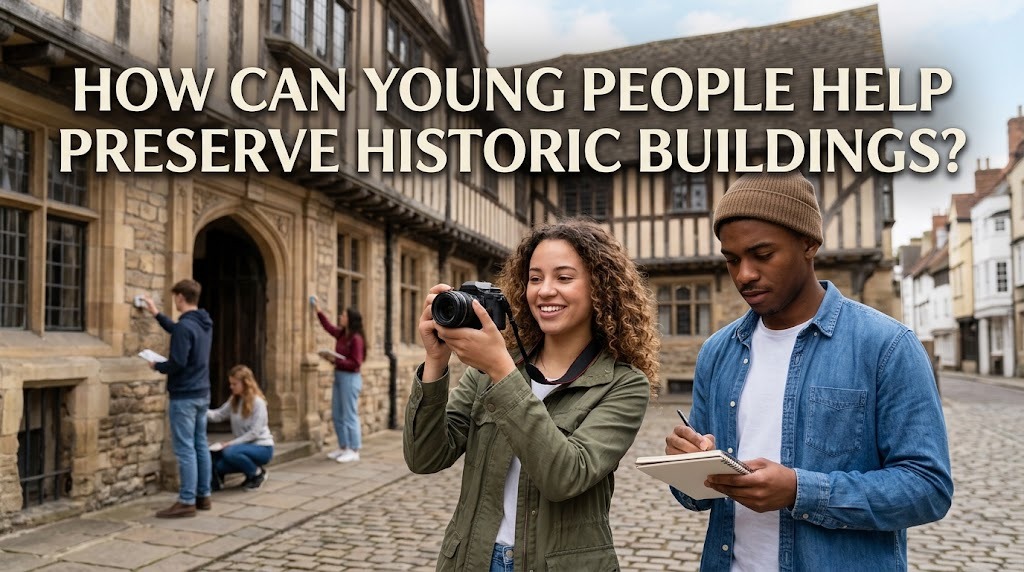
Historic buildings are important reminders of a community's past. They preserve evidence of architectural development, cultural traditions, and historical events that have shaped society over time. In Indonesia, buildings such as Lawang Sewu, Gedung Sate, and traditional heritage houses provide opportunities for younger generations to learn about the country's history and cultural diversity.
Although governments and conservation professionals play major roles in protecting these structures, young people can also help preserve historic buildings through education, community participation, responsible tourism, and digital technology. Even small actions can contribute to greater public awareness and encourage communities to care for their historical surroundings.
LEARNING ABOUT HISTORIC BUILDINGS AND THEIR SIGNIFICANCE
One of the first ways young people can support historic building preservation is by learning about the history and significance of buildings in their communities. Understanding why a structure was built, who used it, and what events occurred there can help young people recognize its value. This knowledge also makes it easier to explain why preserving historic places matters.
Young people can explore historical books, museum exhibitions, educational websites, and reliable local sources to learn about important buildings. They can also participate in school projects, heritage walks, or discussions with historians and community members. By sharing accurate information with friends and family, they can encourage others to appreciate the historical and cultural value of these structures.
PARTICIPATING IN COMMUNITY PRESERVATION ACTIVITIES
Young people can contribute by joining community activities related to heritage protection. Depending on the building and the activity, these opportunities may include educational campaigns, supervised cleanup events, public discussions, or volunteering with recognized heritage organizations. Such activities help participants understand the practical challenges involved in maintaining historic places.
However, preserving historic buildings requires appropriate care and expertise. Young volunteers should not attempt to repair structures, remove original materials, repaint historic surfaces, or alter architectural details without professional guidance and proper authorization. Instead, they can help with approved activities such as distributing educational materials, documenting public information, or supporting community events. These contributions allow young people to participate without accidentally damaging the buildings they want to protect.
PROMOTING HISTORIC BUILDINGS THROUGH DIGITAL MEDIA
Digital technology gives young people opportunities to introduce historic buildings to wider audiences. They can create educational posts, short videos, digital presentations, or photo essays that explain a building's history and architectural characteristics. When the information is accurate and presented clearly, these materials can make heritage topics more accessible to people who may not be able to visit the sites.
Social media can also help promote cultural heritage awareness among younger audiences. For example, a student could share a series of posts about the history of a local railway station or explain the meaning of decorative features on a traditional building. It is important to verify facts, respect copyright, follow photography rules, and avoid sharing misleading stories. Responsible digital communication can help build public interest in historic preservation.
PRACTICING RESPONSIBLE HERITAGE TOURISM
Visiting historic buildings can help young people understand their architectural and cultural significance directly. During a visit, they can observe construction details, read historical displays, and learn about the people and events associated with the site. These experiences can make history more meaningful than learning about it only through textbooks.
Young visitors should follow site regulations and respect the building's physical condition. They should avoid touching fragile objects, climbing restricted structures, writing on walls, or leaving rubbish behind. Supporting official tours, museums, and responsible local businesses can also contribute to the sustainable management of heritage destinations. Through responsible heritage tourism, young people can enjoy historical sites while helping protect them for future visitors.
SUPPORTING CONSERVATION CAMPAIGNS AND PUBLIC AWARENESS
Young people can help protect historic buildings by raising awareness when important structures face neglect, inappropriate alterations, or possible demolition. They can learn about local preservation policies, participate in public discussions, and share verified information about the significance of threatened buildings. Constructive communication can help communities understand why conservation decisions matter.
Students and youth organizations can also work with schools, community groups, historians, and relevant government offices to organize educational campaigns. Activities might include heritage exhibitions, poster projects, public presentations, or community documentation initiatives. When concerns arise, young people should use appropriate reporting channels and rely on accurate evidence rather than spreading unverified claims. These efforts can support community involvement in historic preservation and encourage more informed public participation.
CONCLUSION
Young people can help preserve historic buildings by learning about their significance, participating in approved community activities, promoting reliable historical information online, practicing responsible tourism, and supporting conservation campaigns. These actions can increase public awareness while helping younger generations develop a stronger understanding of cultural heritage. Meaningful participation does not always require specialized skills; it can begin with curiosity, respect, and a willingness to learn.
Protecting historic buildings is a shared responsibility that involves governments, experts, property owners, communities, and younger generations. By working with appropriate organizations and following conservation guidance, young people can contribute to the long-term protection of important historical places. Their involvement helps ensure that future generations will continue to learn from and appreciate the buildings that connect the present with the past.
Recent Posts

Bagaimana Sistem SKS pada Program Kuliah... 22.11.2026/51 View

How Does Technology Make Daily Evaluation... 21.11.2026/81 View

Apa Strategi Menghadapi Kesenjangan antara Kompetensi... 21.11.2026/81 View

Mengapa Inventaris Aset Penting bagi Kelancaran... 21.11.2026/77 View

When Should Musicians Join a Record... 21.11.2026/82 View
