

How Can Young People Learn Respect and Courtesy?
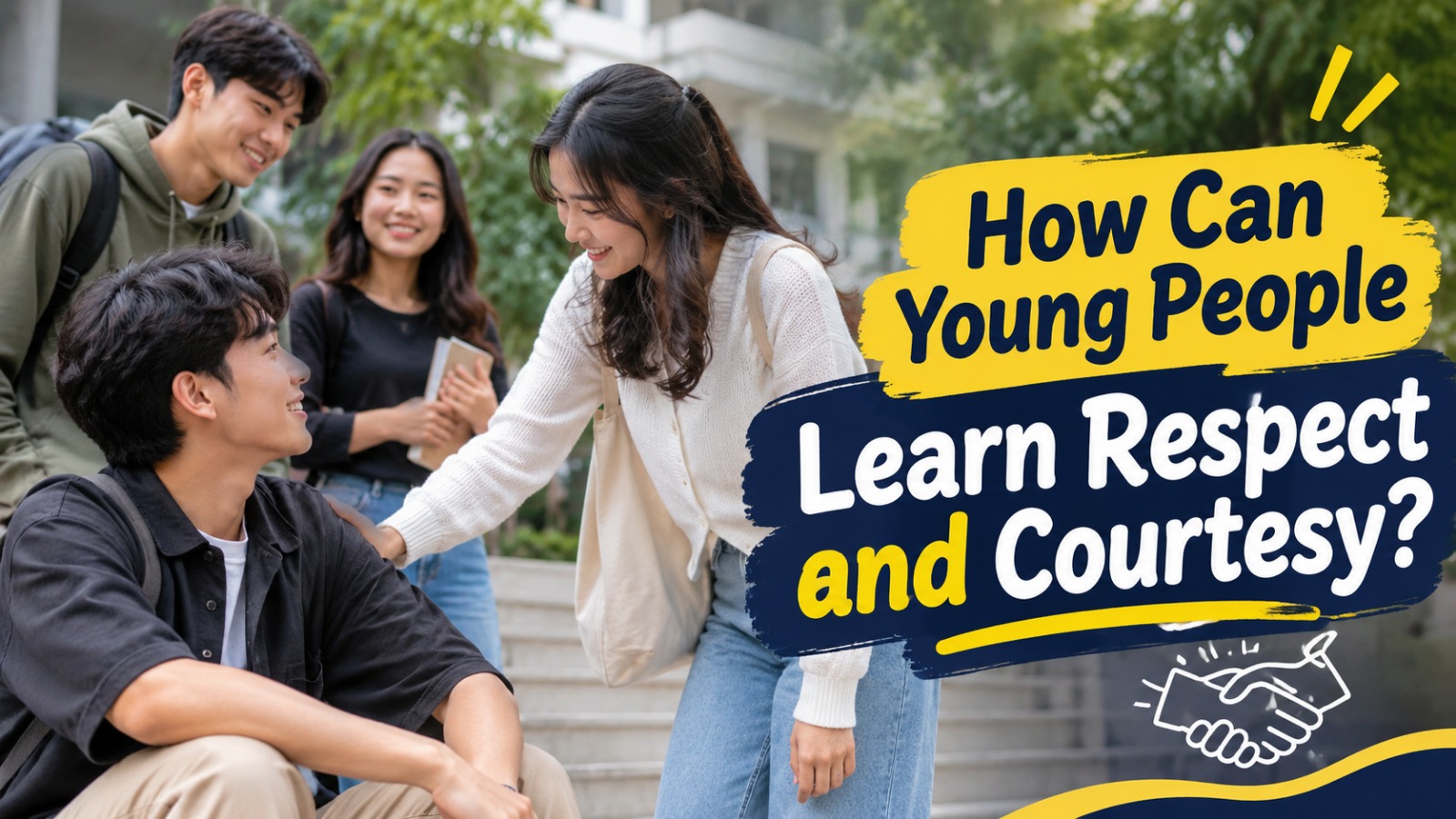
Respect and courtesy are important values that help young people build positive relationships and interact well with others. These values teach individuals to appreciate differences, communicate politely, and treat everyone fairly. In everyday life, respect and courtesy are needed at home, school, and within the community. By developing these habits from an early age, young people can become more responsible and considerate individuals.
UNDERSTANDING THE IMPORTANCE OF RESPECT AND COURTESY
Respect means recognizing the value, rights, and feelings of other people, while courtesy refers to showing politeness through words and actions. Both values help create comfortable interactions and prevent unnecessary conflicts. Young people who understand these principles are more likely to treat others with kindness and consideration.
Respect and courtesy are not only about using polite words but also about showing appropriate behavior. Listening when someone speaks, keeping promises, and appreciating other people's opinions are simple examples. These actions help young people develop positive attitudes in their daily lives.
LEARNING FROM PARENTS AND FAMILY
Family is one of the first environments where young people learn about respect and courtesy. Parents can introduce these values by teaching children to speak politely, help with household responsibilities, and appreciate other family members. Daily interactions at home provide opportunities to practice good manners.
Parents should also become positive examples through their own behavior. When children see their parents treating others with kindness and respect, they are more likely to imitate those actions. Consistent guidance and communication can help make respectful behavior a natural habit.
FOLLOWING POSITIVE EXAMPLES AT SCHOOL
Schools play an important role in developing students' character and social behavior. Teachers can teach respect and courtesy through classroom rules, group activities, and daily interactions. Students learn to appreciate their teachers, respect classmates, and cooperate with people who have different opinions.
Positive examples from teachers and school staff can also influence students' behavior. When educators communicate politely and treat everyone fairly, students can understand how respect should be practiced. A supportive school environment helps young people develop good manners and responsible attitudes.
PRACTICING POLITE COMMUNICATION
Communication is one of the easiest ways for young people to demonstrate respect and courtesy. Using expressions such as please, thank you, excuse me, and sorry can make conversations more comfortable. Speaking calmly and avoiding offensive language also show consideration for other people's feelings.
Young people should also learn to listen without interrupting and avoid judging others too quickly. Respectful communication means giving everyone an opportunity to express their thoughts. These habits can reduce misunderstandings and strengthen relationships with friends, family, and other people.
RESPECTING DIFFERENCES AND OTHER PEOPLE'S OPINIONS
Every individual has different backgrounds, beliefs, cultures, and ways of thinking. Young people need to understand that differences are a normal part of social life. Respecting these differences helps prevent discrimination, bullying, and unnecessary arguments.
They can practice this value by listening to opinions they do not agree with and responding politely. Respect does not mean having to accept every opinion, but it means expressing disagreement without insulting or humiliating others. This attitude encourages tolerance and creates healthier social relationships.
USING SOCIAL MEDIA RESPONSIBLY
Young people also need to practice respect and courtesy when communicating through digital platforms. Social media allows people to interact easily, but careless comments and offensive messages can hurt others. Therefore, young users should think carefully before posting, commenting, or sharing information.
Being polite online includes avoiding cyberbullying, respecting personal privacy, and not spreading harmful content. Young people should remember that digital communication involves real people with real feelings. Responsible online behavior helps create a safer and more positive digital environment.
CONCLUSION
Young people can learn respect and courtesy through family guidance, positive examples at school, polite communication, and responsible social media use. Practicing these values consistently helps them develop good character and build healthy relationships. By respecting others and showing kindness in everyday situations, young people can contribute to a more harmonious society.
Recent Posts

How Does Technology Make Daily Evaluation... 21.11.2026/57 View

Apa Strategi Menghadapi Kesenjangan antara Kompetensi... 21.11.2026/59 View

Mengapa Inventaris Aset Penting bagi Kelancaran... 21.11.2026/55 View

When Should Musicians Join a Record... 21.11.2026/54 View

Daily Evaluation or Daily Planning Which... 21.11.2026/61 View
