

How Do Academic Calendar Changes Affect Student Activities?
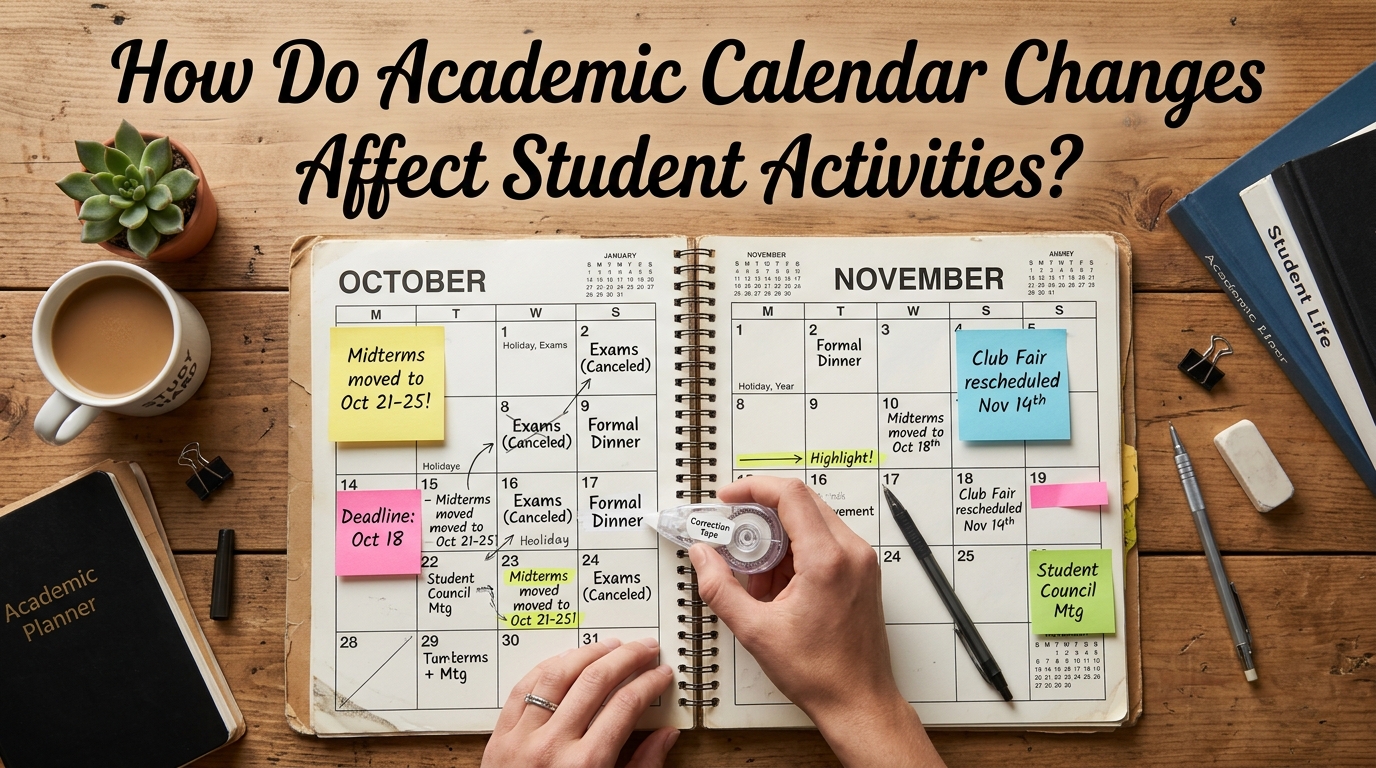
An academic calendar helps students organize their learning activities, assignments, examinations, and personal schedules throughout the academic year. However, universities may sometimes change their calendars because of public holidays, administrative decisions, unexpected disruptions, or changes in academic policies. These adjustments can affect students in different ways, especially when important dates are moved with little notice. Students may need to reorganize their study plans, adjust personal commitments, and prepare for new deadlines. Understanding how academic calendar changes affect student activities can help students respond effectively and maintain their academic progress.
WHY DO ACADEMIC CALENDARS CHANGE?
Academic calendars are usually prepared in advance, but certain circumstances may require universities to revise their schedules. Changes can occur because of public holidays, institutional policies, campus events, or unexpected emergencies. For example, severe weather or other disruptions may force a university to postpone classes or examinations. Universities may also adjust semester dates to meet academic requirements or coordinate activities across different departments. These changes are generally intended to help institutions maintain their educational operations while responding to new circumstances.
Another reason for calendar changes is the need to improve academic planning. A university may revise its schedule when it identifies conflicts between examinations, teaching periods, or important campus activities. In some cases, changes may affect only specific programs, while others may apply to the entire institution. Students should therefore check whether an announcement applies to their courses or academic department. Understanding the reason for a change can help students prepare for its possible effects and avoid unnecessary confusion.
HOW DO CALENDAR CHANGES AFFECT STUDY SCHEDULES?
Changes to an academic calendar can influence how students organize their daily learning routines. If classes are postponed or additional teaching days are introduced, students may need to adjust their study plans and personal commitments. A revised examination date can also change how much preparation time students have available. Those who rely on a weekly study routine may find it difficult to maintain consistency when their schedules change unexpectedly. Flexible time management becomes important because students must adapt without losing focus on their academic goals.
Calendar changes may also affect assignment deadlines and group projects. For example, moving a class presentation to an earlier date may require students to complete their research more quickly. If a semester is extended, students might have additional time to review difficult topics or finish outstanding coursework. However, an extension can also interfere with planned holidays or other responsibilities. Students should update their planners as soon as new dates are announced and prioritize tasks according to their revised deadlines.
WHAT IS THE IMPACT ON EXAMINATIONS AND ASSIGNMENTS?
Examinations and assignment deadlines are among the academic activities most directly affected by calendar changes. When an examination is postponed, students may gain more preparation time, but they may also need to rearrange their revision schedules. If an examination is moved to an earlier date, students could face additional pressure to review course materials quickly. Changes can be particularly challenging when several subjects have assessments close together. Checking updated examination schedules is essential to avoid missing important assessments.
Assignment deadlines may also change when teaching periods or course schedules are revised. Students working on research papers, presentations, or collaborative projects may need to coordinate with classmates again. Lecturers may provide new instructions regarding submission dates, assessment methods, or class activities. Students should not assume that every deadline changes automatically when the academic calendar is updated. They should confirm revised requirements with their lecturers and use official learning platforms to verify submission dates.
HOW DO CALENDAR CHANGES AFFECT EXTRACURRICULAR ACTIVITIES?
Academic calendar changes can influence extracurricular activities such as student organization meetings, competitions, workshops, and campus events. If classes or examinations are rescheduled, these activities may need to be moved to different dates. Students who hold leadership positions in campus organizations may have to coordinate with other members to find suitable alternatives. Events that depend on campus facilities or lecturer availability may also be postponed. These adjustments can make it harder for students to balance academic responsibilities with activities outside the classroom.
Changes to the calendar may also affect opportunities for sports, volunteering, and professional development. For example, an examination period that overlaps with a competition could force a student to reconsider their participation. On the other hand, a newly available break may provide extra time to attend workshops or develop practical skills. Balancing academic and extracurricular commitments requires students to review their priorities whenever schedules change. Communicating early with teammates, organizers, and academic staff can help reduce conflicts.
HOW CAN ACADEMIC CALENDAR CHANGES AFFECT PERSONAL PLANS?
Students often arrange personal activities around their academic schedules. These may include part-time jobs, internships, family events, travel, or medical and other appointments. When a university changes the semester dates, students may have to modify these arrangements, sometimes at additional cost or inconvenience. Students who work part-time may need to discuss changes in their availability with their employers. Keeping personal plans flexible can make unexpected academic adjustments easier to manage.
The effects may be greater for students who travel long distances or live away from campus. A change in the start or end of a semester could affect transportation bookings, accommodation arrangements, or plans to return home. Students should avoid making nonrefundable arrangements based on tentative dates when possible. If a change creates a serious conflict, they can contact the relevant university office to ask about available options. Planning ahead and keeping important documents organized can help students respond more confidently.
HOW CAN STUDENTS ADAPT TO ACADEMIC CALENDAR CHANGES?
Students can adapt more effectively by checking official university announcements regularly. Useful sources include the student portal, university website, academic office, and official emails. When a change is announced, students should identify which classes, assessments, and activities are affected. They can then update their calendars, planners, and digital reminders to reflect the new dates. Using reliable information instead of rumors helps students make accurate decisions and avoid unnecessary stress.
Another useful strategy is to create a flexible study plan. Students should identify urgent deadlines, divide large assignments into smaller tasks, and leave some time for unexpected changes. Communicating with lecturers and classmates can also clarify new requirements and help group projects stay organized. If the schedule changes significantly, students may need to adjust their sleep routines, work hours, or extracurricular commitments. Staying organized, communicating clearly, and adapting early can help students maintain their academic performance even when plans change.
WHAT SHOULD UNIVERSITIES DO WHEN CHANGING AN ACADEMIC CALENDAR?
Universities can reduce confusion by communicating calendar changes clearly and promptly. Announcements should explain which dates have changed, why the adjustment is necessary, and which student groups or academic programs are affected. Institutions should update official websites, student portals, and other relevant communication channels so that students can access consistent information. Providing sufficient notice whenever possible gives students more time to reorganize their schedules. Clear and timely communication helps build trust between universities and their students.
Universities should also consider the practical effects of changes on teaching, examinations, accommodation, and student services. When major adjustments are required, academic departments can coordinate with lecturers to clarify revised deadlines and assessment arrangements. Institutions should provide a contact point where students can ask questions or report scheduling conflicts. Where possible, they should consider reasonable alternatives for students facing significant difficulties. A well-managed calendar change can help maintain educational continuity while reducing unnecessary disruption to student life.
CONCLUSION
Academic calendar changes can affect student activities by altering study schedules, examination dates, assignment deadlines, extracurricular events, and personal commitments. Although these adjustments may create challenges, their impact can be reduced through careful planning and effective communication. Students should regularly check official announcements, update their schedules, and confirm any revised academic requirements with their lecturers. Universities also play an important role by providing clear information and sufficient notice whenever possible. By staying flexible and organized, students can adapt to calendar changes while maintaining their learning progress and personal responsibilities.
Recent Posts

Bagaimana Sistem SKS pada Program Kuliah... 22.11.2026/50 View

How Does Technology Make Daily Evaluation... 21.11.2026/80 View

Apa Strategi Menghadapi Kesenjangan antara Kompetensi... 21.11.2026/79 View

Mengapa Inventaris Aset Penting bagi Kelancaran... 21.11.2026/75 View

When Should Musicians Join a Record... 21.11.2026/80 View
