

How Do Cultural Festivals Help Preserve Regional Traditions?
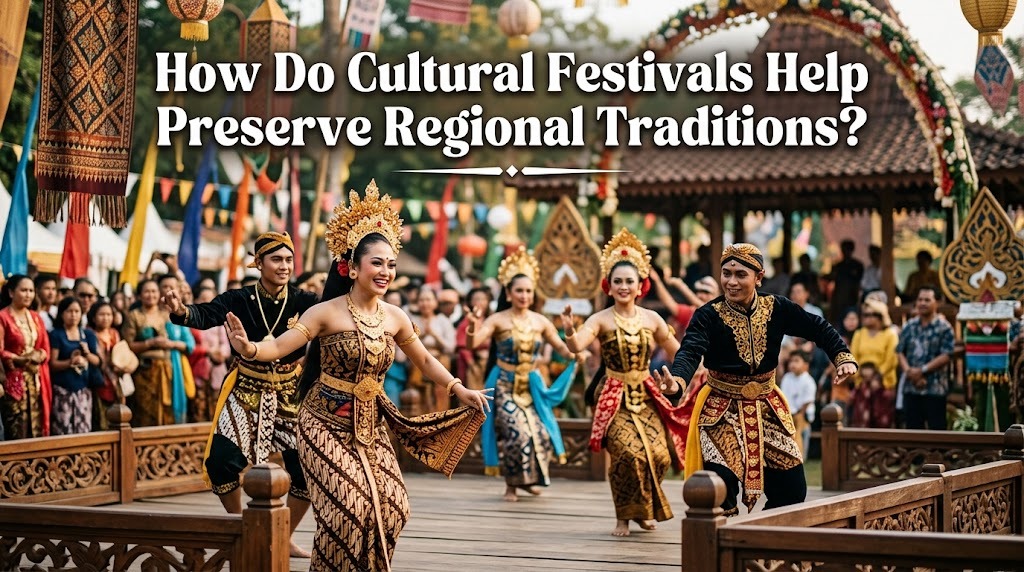
Cultural festivals play an important role in preserving regional traditions by bringing communities together to celebrate their history, customs, arts, and local identity. These events allow people to share traditional practices with younger generations while introducing their culture to visitors. In Indonesia, cultural festivals often feature traditional dances, music, clothing, food, ceremonies, and handicrafts. Through these activities, communities can maintain their cultural heritage while adapting to changes in modern life. Understanding the importance of cultural festivals helps explain how regional traditions can remain meaningful for future generations.
KEEPING TRADITIONAL ARTS AND PERFORMANCES ALIVE
Cultural festivals provide opportunities for traditional artists to perform and demonstrate their skills. Traditional dances, regional music, folk theater, and ceremonial performances can reach wider audiences during these events. For example, festivals may feature Balinese dance, Javanese gamelan music, or traditional performances from other Indonesian regions. These activities help preserve artistic techniques that might otherwise become less familiar to younger people. They also encourage performers to continue practicing and teaching their skills.
Festivals can also create opportunities for local artists to earn income through performances and cultural demonstrations. Financial support may help them continue their work and pass their knowledge to apprentices. When traditional arts receive public attention, communities may become more motivated to protect them. As a result, cultural festivals help keep regional art forms active rather than allowing them to survive only in historical records.
PASSING CULTURAL KNOWLEDGE TO YOUNGER GENERATIONS
One of the most important roles of cultural festivals is teaching younger generations about their heritage. Children and teenagers can learn about traditional clothing, local languages, ceremonies, music, and community values by participating in festival activities. They may also observe elders demonstrating traditional crafts or explaining the meaning behind specific customs. Learning directly from experienced community members makes cultural knowledge easier to understand and remember. This process helps young people develop a stronger connection to their cultural background.
Participation is especially valuable because traditions are often learned through practice rather than written explanations alone. Young people who join traditional dances, prepare regional dishes, or help organize ceremonies gain practical experience. They can then share what they have learned with friends and family members. By encouraging active participation, festivals help ensure that regional traditions continue beyond the current generation.
STRENGTHENING REGIONAL IDENTITY AND COMMUNITY PRIDE
Cultural festivals help communities celebrate the traditions that make their regions distinctive. Traditional clothing, local languages, regional food, and historical stories can express a community's identity. When residents participate in these events, they have an opportunity to recognize the value of their shared heritage. This experience can strengthen their sense of belonging and encourage cooperation among community members. It can also help people appreciate the diversity of cultures within Indonesia.
Festivals may bring together people of different ages, backgrounds, and occupations. Elders can share their knowledge, young people can contribute new ideas, and local organizations can work together to prepare activities. These shared experiences build relationships and encourage mutual respect. Strong community involvement makes cultural preservation a collective responsibility rather than the task of only a few individuals.
PROMOTING TRADITIONAL FOOD AND HANDICRAFTS
Traditional food and handicrafts are important parts of regional heritage, and cultural festivals provide a place to introduce them to wider audiences. Visitors may discover local dishes, woven fabrics, pottery, woodcarving, or other handmade products. Demonstrations can explain how these products are made and why particular ingredients, materials, patterns, or techniques are important. This helps visitors understand that traditional products often represent local history and knowledge. It also gives artisans and food producers an opportunity to share their skills.
Festivals can create economic opportunities for small businesses and local craftspeople. Income from selling traditional products may help families continue their work and teach their skills to younger relatives. However, communities should ensure that traditional products are represented respectfully and accurately. Supporting local producers can help preserve cultural knowledge while contributing to the regional economy.
INTRODUCING REGIONAL TRADITIONS TO VISITORS
Cultural festivals allow visitors from other regions and countries to experience local traditions. Performances, exhibitions, workshops, and food stalls can introduce visitors to customs they may not have encountered before. These experiences encourage cultural exchange and help people understand the differences and similarities between communities. Visitors may also become interested in learning more about the history behind the traditions they see. This increased awareness can strengthen appreciation for cultural diversity.
Tourism can provide benefits when festivals are organized responsibly. Visitors may support local businesses, purchase handmade products, and contribute to the preservation of cultural activities. However, organizers should avoid changing traditions only to satisfy tourist expectations. Community members should remain involved in deciding how their heritage is presented. This helps ensure that cultural festivals protect the meaning of traditions rather than turning them into performances without cultural context.
USING MODERN MEDIA TO SUPPORT CULTURAL PRESERVATION
Modern technology can help cultural festivals reach audiences beyond the places where they take place. Organizers can share photographs, videos, interviews, and educational materials through websites and social media. These resources allow people who cannot attend in person to discover regional traditions. Digital records can also document performances, traditional clothing, ceremonies, and the knowledge of experienced cultural practitioners. When stored carefully, this material can support future learning and research.
However, online promotion should complement real community participation rather than replace it. A video may show a traditional dance, but learning the dance directly from an experienced performer offers a deeper understanding of its techniques and meaning. Communities should also consider permission, privacy, and cultural sensitivity when recording ceremonies or sharing traditional knowledge. Combining digital tools with in-person activities can help traditions remain accessible while respecting their cultural significance.
ADDRESSING CHALLENGES IN CULTURAL FESTIVALS
Although cultural festivals support preservation, they can face challenges such as limited funding, declining participation, and a lack of experienced practitioners. Some traditions may become less common when younger people move away or have fewer opportunities to learn from elders. Organizers may also struggle to balance cultural authenticity with the demands of tourism and commercial sponsorship. Without careful planning, festivals may focus more on entertainment than on explaining the meaning of regional customs. Recognizing these challenges is important for creating effective preservation programs.
Communities can respond by involving schools, cultural organizations, local governments, artists, and traditional leaders in festival planning. Educational workshops can help younger participants understand the history and values behind each activity. Fair payment for artists and craftspeople can encourage them to continue sharing their knowledge. Organizers should also ask community members for feedback to ensure that festivals represent their traditions accurately. These steps can help cultural festivals remain meaningful and sustainable.
CONCLUSION
Cultural festivals help preserve regional traditions by keeping traditional arts active, passing knowledge to younger generations, strengthening community identity, and supporting local artisans. They also introduce regional heritage to visitors and create opportunities for cultural exchange. When combined with education, responsible tourism, and modern documentation, festivals can help traditions remain relevant in changing societies. Their success depends on meaningful participation from the communities whose heritage is being celebrated. By supporting cultural festivals, people can help protect regional traditions and ensure that future generations have opportunities to learn about their cultural roots.
Recent Posts

Bagaimana Sistem SKS pada Program Kuliah... 22.11.2026/49 View

How Does Technology Make Daily Evaluation... 21.11.2026/76 View

Apa Strategi Menghadapi Kesenjangan antara Kompetensi... 21.11.2026/78 View

Mengapa Inventaris Aset Penting bagi Kelancaran... 21.11.2026/74 View

When Should Musicians Join a Record... 21.11.2026/78 View
