

How Do Digital Books Support Modern Reading Culture?
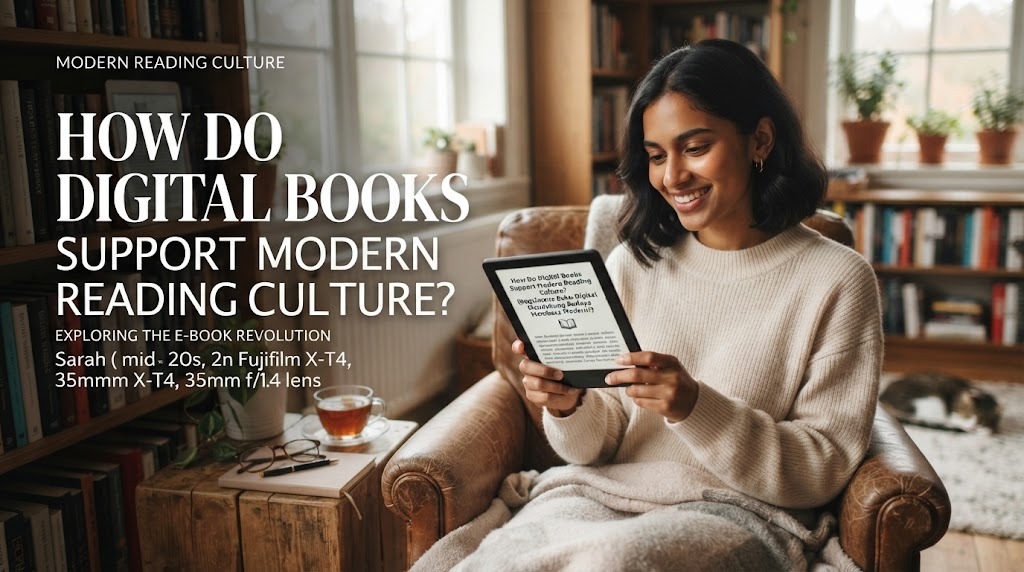
Digital books have changed the way people access and enjoy reading materials. Unlike printed books, digital books can be stored and accessed through smartphones, tablets, computers, and dedicated reading devices. This makes reading more flexible for people with different lifestyles and preferences. Digital books can also provide access to a wider range of materials without requiring physical storage space. As technology becomes increasingly connected to everyday life, digital books can play an important role in supporting a modern reading culture.
MAKE READING MORE ACCESSIBLE
One of the main advantages of digital books is that they can make reading materials easier to access. Readers can obtain and open digital books without having to visit a physical bookstore or library. This can be particularly useful for people who live far from places that provide large book collections. Many digital platforms also offer books in different categories and languages. Easier access can encourage more people to explore reading materials that match their interests.
PROVIDE FLEXIBLE READING OPTIONS
Digital books allow people to read in different places and situations. A reader can carry many books on one device instead of bringing several physical books. This makes reading convenient during travel, breaks, or other free periods. Digital books can also support different reading preferences through adjustable font sizes, screen brightness, and other settings on some devices. This flexibility can help people fit reading into their daily routines.
SUPPORT YOUNG READERS
Digital books can be especially appealing to young people who are already familiar with technology. Interactive features, illustrations, audio options, and digital navigation can make some reading materials more engaging. Young readers can also quickly search for unfamiliar words or information while reading. When digital reading is introduced appropriately, it can become an additional way for students to develop reading habits. It can complement printed books rather than completely replacing them.
OFFER A WIDE VARIETY OF MATERIALS
Digital platforms can provide access to many types of reading materials in one place. Readers may find novels, textbooks, magazines, research materials, short stories, and educational resources. This variety allows people to explore topics outside their usual interests. It can also help students find materials that support school projects and independent learning. A wider selection can encourage curiosity and make reading more diverse.
REDUCE THE NEED FOR PHYSICAL STORAGE
Digital books do not require shelves, cabinets, or other physical storage spaces. A single device can contain a large collection of books and documents. This can be useful for students or readers who have limited space at home. Digital storage also makes it easier to organize materials by topic, author, or personal preference. The convenience of storing many books in one place can encourage people to maintain a larger personal reading collection.
SUPPORT PERSONALIZED READING
Digital reading platforms can provide features that allow readers to customize their experience. Depending on the platform, users may be able to adjust text size, search within a book, add bookmarks, or highlight important passages. These tools can help readers study and review information more efficiently. Personalized settings can also make reading more comfortable for people with different needs. As a result, digital books can support a more individualized reading experience.
ENCOURAGE CONTINUOUS LEARNING
Digital books make it easier for people to access learning materials outside formal educational settings. Someone interested in business, technology, history, language, or another subject can search for relevant digital books and continue learning independently. This supports the idea that reading can happen at any stage of life. People can also update their digital collections as their interests and professional needs change. Easy access to learning materials can encourage lifelong reading habits.
CONNECT READING WITH TECHNOLOGY
Digital books allow reading to fit naturally into a technology-based lifestyle. People who already use digital devices for communication, education, and work can include reading in the same environment. This can make reading more relevant to modern daily routines. However, readers still need to manage notifications, social media, games, and other distractions on digital devices. Using technology intentionally can help digital books support reading instead of competing with it.
SUPPORT ENVIRONMENTALLY CONSCIOUS READING CHOICES
Digital books can reduce the need for physical materials such as paper, ink, and packaging for individual copies. This may make digital reading an attractive option for people who want to reduce some physical consumption associated with books. However, digital devices also require energy and electronic resources, so digital books are not completely without environmental impact. The main benefit is that one device can provide access to many materials without producing a new physical copy for every reading session. Readers can therefore choose between digital and printed formats based on their needs.
COMPLEMENT PRINTED BOOKS
Digital books do not have to replace printed books to support reading culture. Many readers enjoy physical books while also using digital materials for convenience and accessibility. Schools and libraries can provide both formats so readers can choose according to their preferences. Combining printed and digital resources can make reading more inclusive and flexible. A modern reading culture can therefore benefit from using technology while continuing to appreciate traditional books.
CONCLUSION
Digital books support modern reading culture by improving access, flexibility, variety, and convenience. They can help young readers, support independent learning, and provide useful tools for personalized reading experiences. Digital books also allow people to carry large collections without requiring physical storage space. However, readers need to manage digital distractions and use technology intentionally. By combining digital and printed resources, communities can create a flexible reading culture that suits the needs of modern readers.
Recent Posts

Bagaimana Sistem SKS pada Program Kuliah... 22.11.2026/35 View

How Does Technology Make Daily Evaluation... 21.11.2026/69 View

Apa Strategi Menghadapi Kesenjangan antara Kompetensi... 21.11.2026/70 View

Mengapa Inventaris Aset Penting bagi Kelancaran... 21.11.2026/67 View

When Should Musicians Join a Record... 21.11.2026/69 View
