

How Do Digital Tools Simplify Corporate Asset Monitoring?
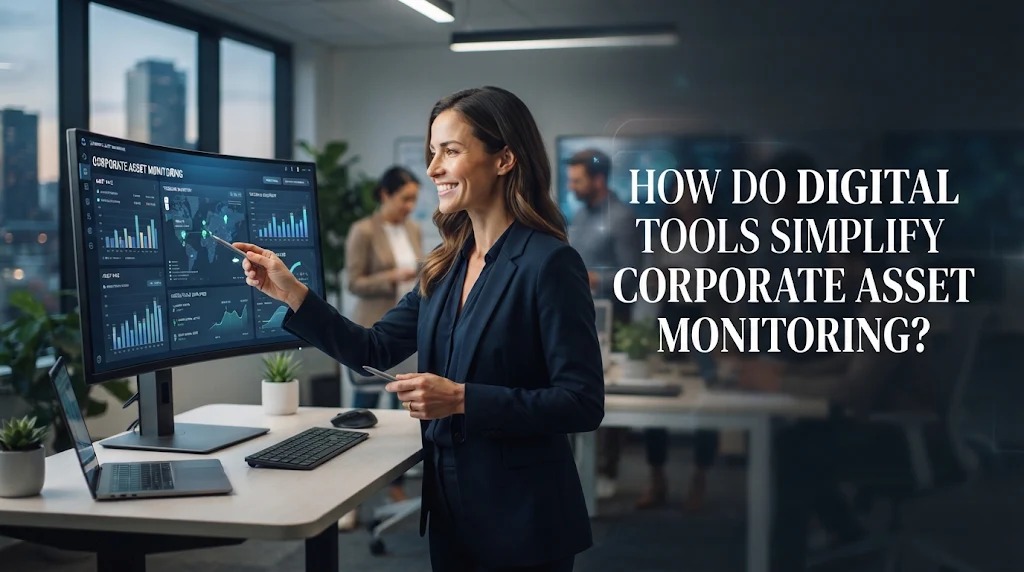
Digital tools have changed how companies monitor and manage their assets. Businesses use various resources, such as machinery, vehicles, computers, buildings, and office equipment, to support daily operations. Monitoring these assets manually can take considerable time and increase the risk of inaccurate records or missing information. Digital tools simplify this process by providing faster tracking, organized data, and real-time updates. With the right technology, companies can protect their resources, reduce operational costs, and improve asset management efficiency.
PROVIDING REAL-TIME ASSET TRACKING
Digital tools allow companies to monitor the locations of their assets more easily. Technologies such as Global Positioning System (GPS), Radio Frequency Identification (RFID), and barcode scanners help businesses identify and track equipment across different locations. Employees can use these technologies to check where assets are located and whether they are available for use.
Real-time tracking is particularly useful for companies that operate warehouses, transportation services, or multiple business facilities. For example, a logistics company can monitor delivery vehicles and identify their current positions. This information helps managers improve coordination and reduce the risk of misplaced or stolen assets.
ORGANIZING ASSET INFORMATION
Digital asset management systems help companies store important asset information in one centralized platform. These systems can record purchase dates, identification numbers, asset values, locations, ownership details, and maintenance histories. Employees can access the information without searching through multiple paper documents.
Organized digital records also make it easier to update asset information whenever changes occur. Managers can quickly identify available resources, review asset conditions, and check previous maintenance activities. This improves record accuracy and supports more effective decision-making.
AUTOMATING ASSET MONITORING TASKS
Digital tools can automate several routine activities involved in asset monitoring. For example, asset management software can send notifications when equipment requires maintenance, inspections, or replacement. Some systems can also generate reports automatically based on recorded asset information.
Automation reduces the amount of manual work employees need to complete. It also helps prevent missed maintenance schedules and forgotten administrative tasks. As a result, companies can manage their resources more consistently and use employee time more efficiently.
IMPROVING MAINTENANCE MANAGEMENT
Digital monitoring systems help companies observe asset conditions and identify potential equipment problems. Sensors installed in certain machines can collect information about temperature, vibration, pressure, and operating performance. This data helps maintenance teams recognize unusual conditions before equipment experiences serious damage.
Some businesses use predictive maintenance technology to estimate when equipment may require servicing. Instead of waiting for a breakdown, companies can schedule maintenance based on actual performance information. This approach can reduce repair expenses, prevent operational interruptions, and extend asset useful life.
REDUCING ASSET LOSS AND MISUSE
Digital monitoring improves asset security by helping companies identify missing equipment and unauthorized activities. Tracking devices, electronic identification systems, and access controls can provide information about asset movements and usage. These features make it easier for managers to monitor valuable resources.
Companies can also use digital records to identify employees responsible for specific equipment. This creates clearer accountability and encourages workers to handle company property carefully. By combining monitoring technology with proper security procedures, businesses can reduce the risk of asset loss and misuse.
SUPPORTING BETTER BUSINESS DECISIONS
Digital tools provide useful information that helps managers evaluate asset performance and utilization. Reports and analytical dashboards can show which resources are frequently used, which require expensive maintenance, and which remain inactive for long periods. This information helps companies identify opportunities to improve resource allocation.
Managers can use these insights to decide whether an asset should be repaired, replaced, transferred, or sold. Accurate monitoring data also supports budgeting and long-term investment planning. Better decisions allow businesses to maximize the value of their existing resources.
IMPROVING COMMUNICATION BETWEEN DEPARTMENTS
Digital asset monitoring systems allow different departments to access shared information. For example, finance teams can review asset values, maintenance teams can check equipment conditions, and operational teams can monitor resource availability. Having access to the same updated information reduces communication problems.
Cloud-based platforms can also allow authorized employees to access asset records from different locations. This is useful for companies with multiple branches, warehouses, or production facilities. Better coordination helps departments work together and manage company resources more effectively.
CONCLUSION
Digital tools simplify corporate asset monitoring by providing real-time tracking, organized records, automated tasks, and improved maintenance management. They also help businesses prevent asset loss, analyze performance, and improve communication between departments. By adopting suitable digital systems, companies can reduce manual work, control operational costs, and make more informed decisions. Effective digital monitoring ultimately supports better asset management and long-term business efficiency.
Recent Posts

How Does Technology Make Daily Evaluation... 21.11.2026/55 View

Apa Strategi Menghadapi Kesenjangan antara Kompetensi... 21.11.2026/57 View

Mengapa Inventaris Aset Penting bagi Kelancaran... 21.11.2026/51 View

When Should Musicians Join a Record... 21.11.2026/52 View

Daily Evaluation or Daily Planning Which... 21.11.2026/59 View
