

How Do Driving Habits Influence the Severity of Urban Traffic Congestion?
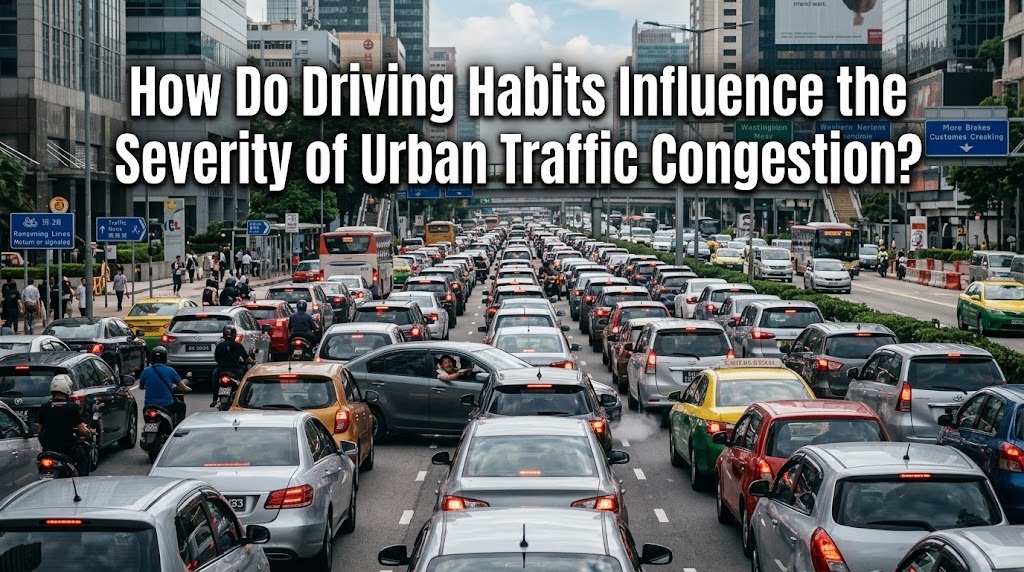
Urban traffic congestion is influenced not only by the number of vehicles on the road but also by how people drive. In busy cities, small driving mistakes and unpredictable movements can slow traffic, create unnecessary queues, and increase the risk of accidents. Habits such as sudden braking, changing lanes without proper planning, and stopping in inappropriate locations can disrupt the movement of many vehicles. In contrast, responsible driving can help maintain smoother traffic flow and improve road safety. Understanding how driving habits influence traffic congestion is important for developing safer and more efficient urban transportation systems.
AGGRESSIVE DRIVING AND UNNECESSARY LANE CHANGES
Aggressive driving can make traffic congestion worse, particularly on crowded urban roads. Drivers who frequently accelerate, brake suddenly, or compete aggressively for limited space can interrupt the steady movement of surrounding vehicles. These actions may force other drivers to slow down or change lanes unexpectedly, creating a chain reaction that affects traffic behind them. In heavy traffic, even small disturbances can spread across multiple vehicles and increase delays.
Frequent lane changes can also reduce traffic efficiency when drivers move between lanes without a clear reason. Each maneuver may require other drivers to adjust their speed or create gaps, interrupting the flow of traffic. Sudden movements can increase the likelihood of collisions, which may block lanes and cause longer queues. Maintaining a steady speed, signaling intentions early, and changing lanes only when necessary can help reduce these disruptions. Calm and predictable driving allows vehicles to move more consistently and makes busy roads safer for everyone.
SUDDEN BRAKING AND INCONSISTENT SPEEDS
Sudden braking is another driving habit that can contribute to congestion. When one driver brakes sharply, the vehicle behind may need to slow down immediately, followed by other vehicles farther back. This reaction can create a traffic shockwave, in which slowing traffic spreads backward even when there is no physical obstacle ahead. On heavily used roads, repeated braking can cause temporary traffic jams and increase travel times.
Inconsistent speeds can make this problem worse. Drivers who alternate rapidly between acceleration and braking create unstable traffic conditions and make it harder for others to maintain safe following distances. Keeping a steady speed, looking ahead, and leaving sufficient space between vehicles can reduce unnecessary braking. Drivers should also anticipate traffic lights, pedestrian crossings, and merging vehicles instead of reacting at the last moment. These habits support smoother traffic movement and can reduce fuel consumption associated with repeated acceleration.
ILLEGAL PARKING AND INAPPROPRIATE STOPPING
Illegal parking and stopping in unsuitable locations can reduce the amount of road space available for moving traffic. Vehicles parked in travel lanes, near intersections, or at bus stops may force other drivers to move around them. This can create bottlenecks, particularly on narrow streets where there is little room for vehicles to pass safely. Delivery vehicles and passengers stopping unexpectedly can also interrupt traffic, especially in commercial districts and busy school zones.
Drivers can help prevent these problems by using designated parking spaces and legal stopping areas. Deliveries should take place in suitable loading zones whenever possible, while passenger pick-ups and drop-offs should avoid blocking moving traffic. Governments must also provide appropriate parking facilities, clear road markings, and consistent enforcement to support responsible behavior. When drivers respect parking and stopping rules, roads remain more accessible for cars, buses, bicycles, and emergency vehicles. Better use of roadside space can improve traffic flow without requiring additional road construction.
FOLLOWING TRAFFIC RULES AND INTERSECTION DISCIPLINE
Following traffic rules is essential for preventing unnecessary congestion at intersections. Drivers who ignore red lights, block intersections, or fail to yield when required can interrupt traffic movements in several directions. Blocking an intersection is particularly harmful because vehicles entering a crowded junction may prevent traffic from clearing, even when their own signal changes. This can create gridlock that affects surrounding roads and delays public transportation.
Responsible drivers should stop behind the designated line when necessary and avoid entering an intersection unless there is enough space to clear it. They should follow traffic signals, give way according to the rules, and use turn signals to communicate their intentions. Keeping pedestrian crossings clear is equally important for road safety and efficient movement. Traffic authorities can reinforce these habits through education, road design, and fair enforcement. Consistent compliance makes traffic movements more predictable and reduces the likelihood of congestion caused by preventable conflicts.
MAINTAINING SAFE DISTANCES AND COOPERATING WITH OTHER DRIVERS
Maintaining a safe following distance helps drivers respond to changing road conditions without unnecessary sudden braking. When vehicles travel too closely together, a small change in speed can force several drivers to brake sharply. This increases the risk of rear-end collisions, which may block lanes and worsen congestion. Safe following distances give drivers more time to react and help maintain a steadier flow of traffic.
Cooperation between drivers is also important when merging, changing lanes, or approaching crowded intersections. Allowing vehicles to merge in an orderly manner can prevent aggressive competition for space and reduce sudden interruptions. Drivers should avoid blocking other vehicles, use indicators correctly, and remain patient when traffic moves slowly. They should also give appropriate priority to pedestrians and cyclists, who are more vulnerable in traffic. Predictable behavior and mutual consideration help create safer roads and reduce disruptions that can lead to congestion.
PROMOTING RESPONSIBLE DRIVING THROUGH EDUCATION AND ENFORCEMENT
Improving driving habits requires cooperation between individual road users, driving schools, employers, and government authorities. Road safety education can teach drivers how to anticipate traffic conditions, maintain safe distances, use signals properly, and avoid aggressive maneuvers. New drivers should learn that efficient driving is not simply about reaching a destination quickly but also about maintaining safe and predictable movement. Refresher campaigns can help experienced drivers recognize habits that contribute to congestion and accidents.
Authorities can support these efforts through consistent enforcement of speed limits, parking regulations, traffic signals, and other road rules. Well-designed roads, visible signs, and clear lane markings can also reduce confusion and encourage safer behavior. Traffic monitoring can help identify locations where dangerous driving or repeated violations occur frequently. Cities should evaluate whether education and enforcement programs improve road safety, traffic flow, and compliance with regulations. By combining individual responsibility with effective public policies, communities can reduce avoidable congestion and make daily travel more reliable.
CONCLUSION
Driving habits play an important role in the severity of urban traffic congestion. Aggressive driving, sudden braking, unnecessary lane changes, illegal parking, and failure to follow traffic rules can interrupt traffic flow and increase the risk of accidents. In contrast, maintaining steady speeds, leaving safe distances, signaling clearly, and cooperating with other road users can help reduce unnecessary delays. Education, appropriate road design, and consistent enforcement are also necessary to encourage responsible driving. When drivers make safer and more predictable decisions, cities can improve traffic flow, reduce preventable disruptions, and create safer urban roads.
Recent Posts

Bagaimana Sistem SKS pada Program Kuliah... 22.11.2026/54 View

How Does Technology Make Daily Evaluation... 21.11.2026/83 View

Apa Strategi Menghadapi Kesenjangan antara Kompetensi... 21.11.2026/82 View

Mengapa Inventaris Aset Penting bagi Kelancaran... 21.11.2026/78 View

When Should Musicians Join a Record... 21.11.2026/84 View
