

How Do Early Warning Systems Respond to Urban Floods?
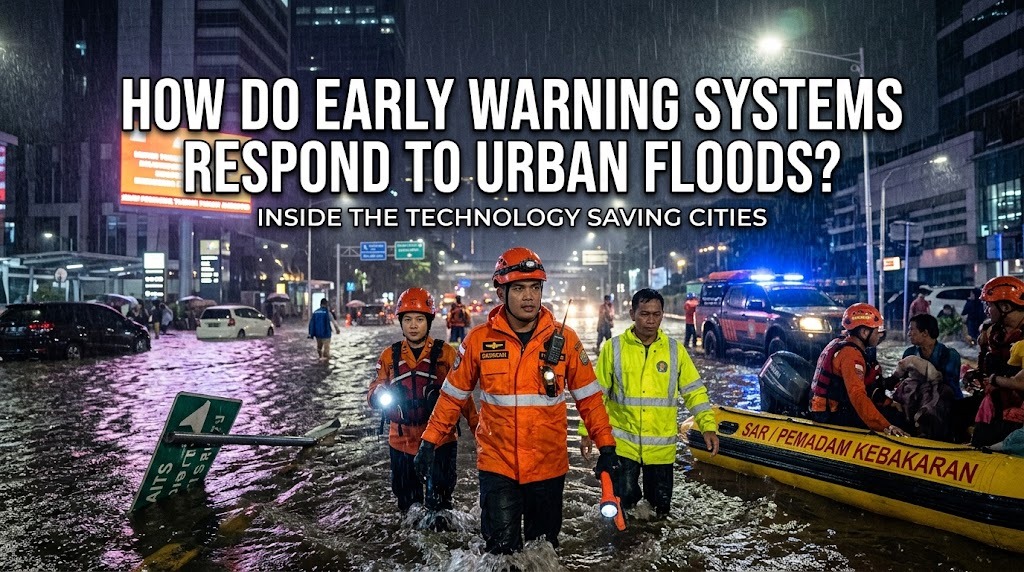
Urban flooding can develop rapidly when heavy rainfall overwhelms drainage systems, rivers, and other water channels. Without timely information, residents may have little time to protect their belongings or move to safer locations. Early warning systems help reduce these risks by monitoring weather conditions, identifying potential flood threats, and communicating warnings before dangerous situations develop. By combining technology, accurate data, and coordinated emergency procedures, these systems help governments and communities prepare for urban floods and respond more effectively.
HOW EARLY WARNING SYSTEMS MONITOR FLOOD RISKS
Early warning systems begin by collecting information about environmental conditions that may lead to flooding. Weather stations, rainfall gauges, river-level sensors, and drainage monitors provide data about precipitation and changes in water levels. These observations help authorities identify locations where water may accumulate or rise rapidly.
Monitoring systems can operate continuously, allowing officials to observe changing conditions during storms. When rainfall becomes intense or water levels approach dangerous thresholds, the information can trigger further assessment and preparation. Continuous monitoring is especially valuable in densely populated cities where flooding can affect roads, homes, and essential public facilities within a short period.
USING WEATHER FORECASTS TO IDENTIFY POTENTIAL FLOODS
Weather forecasting is an important part of flood early warning systems. Meteorologists use radar, satellites, weather stations, and computer models to estimate where and when heavy rainfall may occur. These forecasts help authorities determine whether upcoming weather conditions could produce dangerous runoff or cause rivers and drainage channels to overflow.
When forecasts indicate a high risk of intense rainfall, local governments can increase monitoring, prepare emergency personnel, and inform residents in vulnerable neighborhoods. However, rainfall forecasts contain uncertainty, especially when storms develop quickly or affect small areas. For this reason, authorities often combine forecasts with real-time measurements and local flood information before making operational decisions.
ANALYZING DATA TO DETECT FLOOD THREATS
After collecting environmental data, early warning systems use established thresholds, forecasting models, and expert assessments to evaluate the likelihood of flooding. For example, a system may monitor whether rainfall intensity exceeds a specified level or whether a river is approaching a critical water height. Some systems also use artificial intelligence to analyze patterns in historical flood records and current measurements.
The results help authorities determine the urgency of a potential threat and decide which areas require attention. When several indicators suggest that flooding may occur, officials can issue alerts and activate emergency procedures. Reliable predictions depend on accurate data, suitable models, and regular updates to reflect changes in urban development and drainage infrastructure.
SENDING WARNINGS TO RESIDENTS
Once a flood threat is identified, authorities communicate warnings through available channels. These may include mobile phone alerts, text messages, sirens, radio broadcasts, television announcements, official websites, and social media accounts. Using multiple communication methods increases the chance that residents will receive important information even if one channel becomes unavailable.
Effective warnings should explain the location of the threat, its expected severity, the time available to respond, and the recommended safety actions. For example, residents may be advised to avoid flooded roads, move valuable belongings to higher levels, or prepare to evacuate. Messages should use clear language and be accessible to people with disabilities and residents who may not have reliable internet access.
COORDINATING EMERGENCY RESPONSE ACTIVITIES
Early warning systems support emergency services by giving them information needed to prepare for potential flooding. Police, firefighters, medical teams, and disaster management agencies can use alerts to position personnel, prepare equipment, and identify areas where assistance may be needed. Local authorities may also inspect drainage channels, monitor vulnerable roads, and prepare temporary shelters.
Coordination is essential because urban floods can affect several neighborhoods simultaneously. Emergency agencies need clear responsibilities and reliable communication to avoid delays or conflicting instructions. By sharing information across departments, governments can prioritize the most urgent situations and direct resources toward communities facing the greatest immediate danger.
GUIDING EVACUATION AND PUBLIC SAFETY
When flooding threatens lives or makes an area unsafe, early warning systems can help authorities determine when evacuation may be necessary. Warnings can identify affected neighborhoods, suggest safer routes, and direct residents toward designated shelters or higher ground. Timely information is particularly important in low-lying areas where floodwater may rise quickly.
Residents should follow instructions from official emergency agencies and avoid walking or driving through floodwater. Water may conceal open drains, damaged roads, strong currents, or electrical hazards. Families can improve their readiness by preparing emergency supplies, identifying evacuation routes in advance, and establishing a way to contact relatives if communication services are disrupted.
USING DIGITAL TECHNOLOGY FOR REAL-TIME UPDATES
Modern early warning systems can use connected sensors, geographic information systems, digital maps, and online dashboards to provide updated information about flood conditions. These tools allow authorities to compare rainfall measurements, water levels, road conditions, and reports from affected communities. Digital maps can help identify locations where floodwater may threaten homes, transportation routes, schools, and hospitals.
Some systems can automatically send alerts when monitored conditions reach predefined thresholds. Others provide information to emergency operators who assess the situation before issuing public warnings. Although automation can improve response speed, systems still require reliable equipment, trained personnel, and procedures for verifying unusual or conflicting data.
SUPPORTING VULNERABLE COMMUNITIES
Early warning systems are most effective when they reach everyone who may be affected by flooding. Older adults, people with disabilities, young children, and residents with limited financial resources may face additional challenges when preparing for or evacuating from floods. People without smartphones or stable internet access may also miss digital warnings.
Governments can address these challenges through community volunteers, public sirens, local radio, neighborhood announcements, and accessible emergency messages. Authorities should identify residents who may need evacuation assistance and include them in local preparedness plans. Community meetings and emergency drills can help ensure that residents understand warning signals and know where to seek help.
CHALLENGES IN OPERATING EARLY WARNING SYSTEMS
Despite their benefits, early warning systems face several technical and organizational challenges. Sensors may malfunction, communication networks may fail during storms, and forecasts may not accurately predict the location or timing of localized rainfall. In some cities, limited funding and insufficient maintenance can reduce the reliability of monitoring equipment.
Another challenge is ensuring that people understand and trust warnings. Messages that are unclear, delayed, or inconsistent may lead to confusion or delayed action. Governments can improve reliability by maintaining equipment, testing communication channels, updating flood hazard maps, and conducting regular emergency exercises. Backup power and alternative communication methods are also important during severe weather events.
IMPROVING FLOOD PREPAREDNESS THROUGH EARLY WARNINGS
An effective early warning system requires more than collecting data and sending alerts. It must connect risk monitoring with clear decision-making procedures, emergency resources, public communication, and practical actions that residents can take. Authorities should regularly evaluate how quickly warnings are issued, whether vulnerable groups receive them, and how effectively emergency teams respond.
After a flood event, agencies can review what worked and identify areas for improvement. This process may reveal gaps in sensor coverage, inaccurate flood maps, confusing messages, or delays in evacuation. Using these lessons to update procedures helps cities strengthen their preparedness for future floods.
CONCLUSION
Early warning systems respond to urban flood risks by monitoring rainfall and water levels, analyzing environmental data, forecasting potential hazards, and communicating alerts to residents and emergency services. These systems support evacuation planning, emergency coordination, and decisions that can reduce injuries and property damage. However, their effectiveness depends on accurate information, reliable technology, accessible communication, and timely public action. When integrated with strong flood management and community preparedness, early warning systems help cities respond more safely and efficiently to urban flooding.
Recent Posts

Bagaimana Sistem SKS pada Program Kuliah... 22.11.2026/54 View

How Does Technology Make Daily Evaluation... 21.11.2026/83 View

Apa Strategi Menghadapi Kesenjangan antara Kompetensi... 21.11.2026/81 View

Mengapa Inventaris Aset Penting bagi Kelancaran... 21.11.2026/78 View

When Should Musicians Join a Record... 21.11.2026/82 View
