

How Do Flag Ceremonies Encourage Students to Love Their Country?
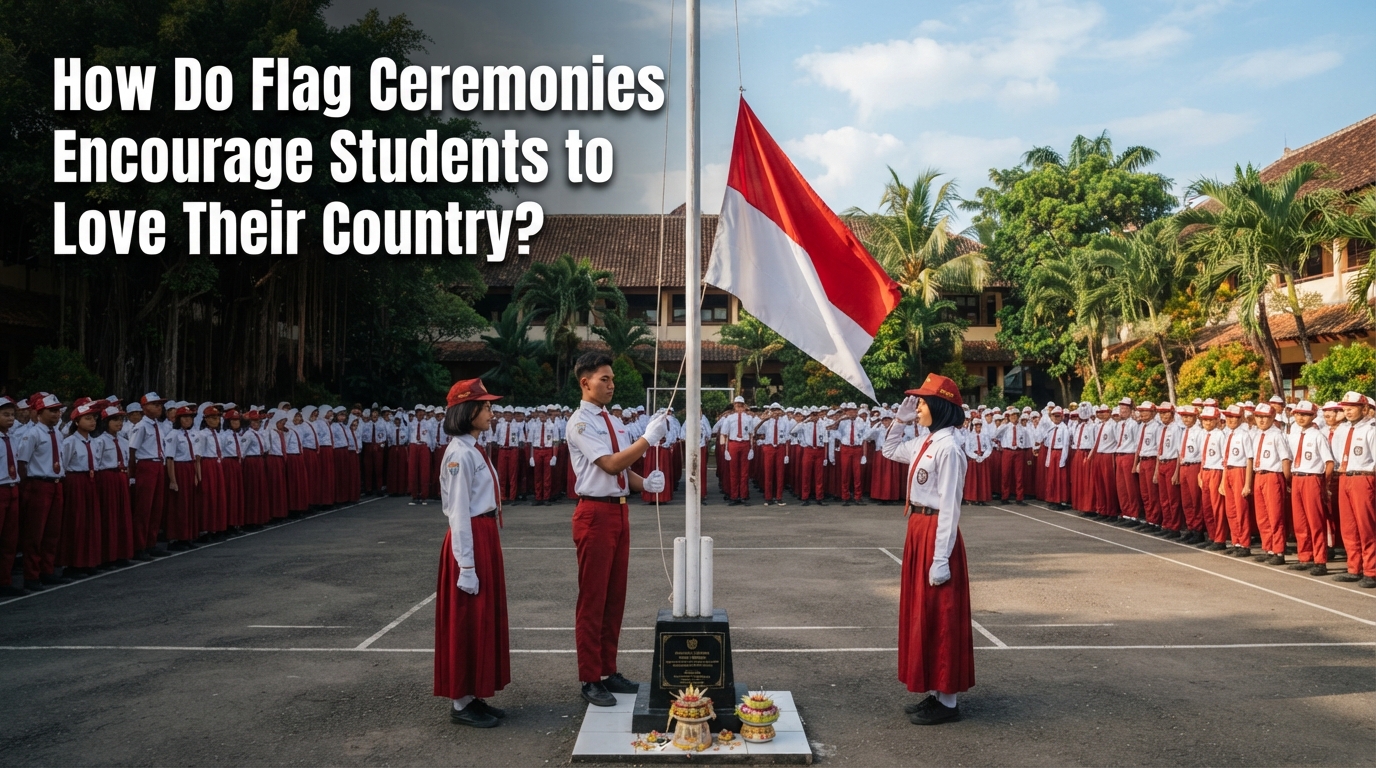
Flag ceremonies are meaningful educational activities that help students develop a stronger sense of love for their country, nationalism, and patriotism. In Indonesia, these ceremonies are commonly held every Monday morning and during important national commemorations. Students gather to participate in activities such as raising the Red and White Flag, singing the national anthem, and listening to messages from teachers or ceremony supervisors.
These activities are not only intended to maintain school traditions but also to introduce students to the values of national identity and independence. Through regular participation, students can learn about the struggles of national heroes, appreciate cultural diversity, and understand their responsibilities as Indonesian citizens. Therefore, flag ceremonies play an important role in encouraging students to love their country through education, experience, and positive behavior.
INTRODUCING STUDENTS TO NATIONAL IDENTITY
One way flag ceremonies encourage students to love their country is by introducing them to national identity. During the ceremony, students see the Indonesian Red and White Flag being raised and hear the national anthem, Indonesia Raya. These national symbols represent the history, independence, and identity of Indonesia. By participating in these activities, students become more familiar with the symbols that unite Indonesian citizens.
Understanding national identity can help students develop a stronger connection with their country. They learn that Indonesia has a unique history, culture, language, and national philosophy. This knowledge encourages them to appreciate their country's characteristics and respect its traditions. As a result, students can develop a sense of pride in being part of the Indonesian nation.
TEACHING THE IMPORTANCE OF NATIONAL INDEPENDENCE
Flag ceremonies remind students that Indonesian independence was achieved through the courage, determination, and sacrifices of previous generations. The raising of the Red and White Flag symbolizes the freedom that Indonesians gained after a long struggle against colonial rule. Through this activity, students can understand that independence is a valuable achievement that must be appreciated and protected. Teachers can also explain important historical events to make these lessons more meaningful.
Learning about independence helps students recognize the responsibilities that come with freedom. They may not experience the same struggles as previous generations, but they can contribute to the country through education, innovation, and positive social activities. Studying seriously and developing useful skills are examples of meaningful contributions. In this way, students learn that loving their country also means helping it progress.
STRENGTHENING NATIONALISM AND PATRIOTISM
Another important benefit of flag ceremonies is strengthening nationalism and patriotism among students. Standing respectfully during the flag-raising process and singing the national anthem can encourage feelings of appreciation and belonging. These activities remind students that they are part of a larger community with shared responsibilities and national values. They also provide opportunities to reflect on the meaning of being responsible Indonesian citizens.
Nationalism should not be limited to formal ceremonies or national celebrations. Students can demonstrate patriotism by respecting national laws, maintaining social harmony, protecting public facilities, and helping people in need. They can also show love for their country by preserving cultural traditions and respecting the rights of others. These everyday actions make nationalism more meaningful and practical.
DEVELOPING RESPECT FOR CULTURAL DIVERSITY
Indonesia is known for its cultural diversity, including different ethnic groups, languages, religions, and traditional customs. Flag ceremonies bring students from various backgrounds together in one school activity. This shared experience teaches them that differences do not prevent people from belonging to the same nation. Instead, diversity can become a strength that supports national unity.
The values introduced during flag ceremonies are closely connected to Bhinneka Tunggal Ika, Indonesia's national motto, which means Unity in Diversity. Students learn the importance of respecting different beliefs, traditions, and perspectives. They can apply these values by avoiding discrimination, building friendships, and cooperating with classmates. Respect for diversity helps students develop a deeper understanding of what it means to love Indonesia.
APPRECIATING THE STRUGGLES OF NATIONAL HEROES
Flag ceremonies also encourage students to appreciate the contributions of national heroes who fought for Indonesia's independence. During the ceremony, teachers or supervisors may share stories about important historical figures and their dedication to the nation. These stories help students understand that independence required courage, sacrifice, and cooperation. They also introduce students to important lessons from the country's history.
By learning about national heroes, students can become inspired to develop similar positive qualities. They may learn the importance of honesty, determination, responsibility, and willingness to help others. Although today's challenges are different from those faced during the independence struggle, students still have opportunities to contribute to society. They can honor national heroes by becoming educated, responsible, and useful members of their communities.
BUILDING DISCIPLINE AND RESPONSIBILITY TOWARD THE COUNTRY
Loving a country also involves developing responsible behavior, and flag ceremonies provide opportunities for students to practice it. Students are expected to arrive on time, wear appropriate uniforms, follow instructions, and maintain order throughout the activity. These habits teach discipline, commitment, and respect for shared rules. They also help students understand that individual behavior can influence the wider school community.
Responsibility can be developed further through everyday activities. Students can demonstrate it by keeping their surroundings clean, respecting teachers, following school regulations, and completing their assignments honestly. These simple actions contribute to a more positive and organized society. Through regular practice, students can understand that responsible citizens play an important role in maintaining their country's development.
ENCOURAGING STUDENTS TO CONTRIBUTE TO NATIONAL DEVELOPMENT
Flag ceremonies can motivate students to think about their future roles in national development. Messages delivered by ceremony supervisors may discuss education, technology, environmental protection, social responsibility, and other issues affecting society. These topics help students recognize that every generation has responsibilities in building a better country. They also encourage students to understand how their knowledge and abilities can benefit others.
Students can begin contributing to national development through small but meaningful actions. They can study consistently, participate in community activities, develop creative ideas, and use technology responsibly. They can also support environmental cleanliness and help create a peaceful school environment. These contributions demonstrate that love for the country can be expressed through real actions rather than words alone.
THE ROLE OF SCHOOLS AND TEACHERS IN DEVELOPING LOVE FOR THE COUNTRY
Schools and teachers have an important responsibility in making flag ceremonies meaningful learning experiences. They should explain the historical background of national symbols and connect ceremony activities with values such as nationalism, unity, and responsibility. Teachers can also introduce inspiring stories about national heroes and encourage students to reflect on their contributions. This approach helps students understand the purpose behind each part of the ceremony.
Schools can provide additional activities that strengthen students' appreciation of Indonesia. Examples include national history discussions, cultural performances, independence celebrations, and community service programs. These activities allow students to experience national values beyond the ceremony itself. With consistent guidance, schools can help develop young generations who are proud of their country and willing to contribute positively to society.
CONCLUSION
Flag ceremonies encourage students to love their country by introducing national identity, strengthening nationalism, teaching respect for cultural diversity, and reminding them of the struggles behind Indonesian independence. Through activities such as raising the national flag and singing the national anthem, students can develop appreciation for their history and national symbols. They also learn important values such as discipline, responsibility, unity, and patriotism.
Ultimately, loving Indonesia should be demonstrated through positive actions in everyday life. Students can express their appreciation for the country by studying seriously, respecting differences, maintaining unity, and contributing to society. With support from teachers and schools, flag ceremonies can become an effective way to develop a generation that is knowledgeable, responsible, and proud of Indonesia.
Recent Posts

How Does Technology Make Daily Evaluation... 21.11.2026/58 View

Apa Strategi Menghadapi Kesenjangan antara Kompetensi... 21.11.2026/60 View

Mengapa Inventaris Aset Penting bagi Kelancaran... 21.11.2026/56 View

When Should Musicians Join a Record... 21.11.2026/55 View

Daily Evaluation or Daily Planning Which... 21.11.2026/63 View
