

How Do Free Health Checkup Programs Impact Public Health?
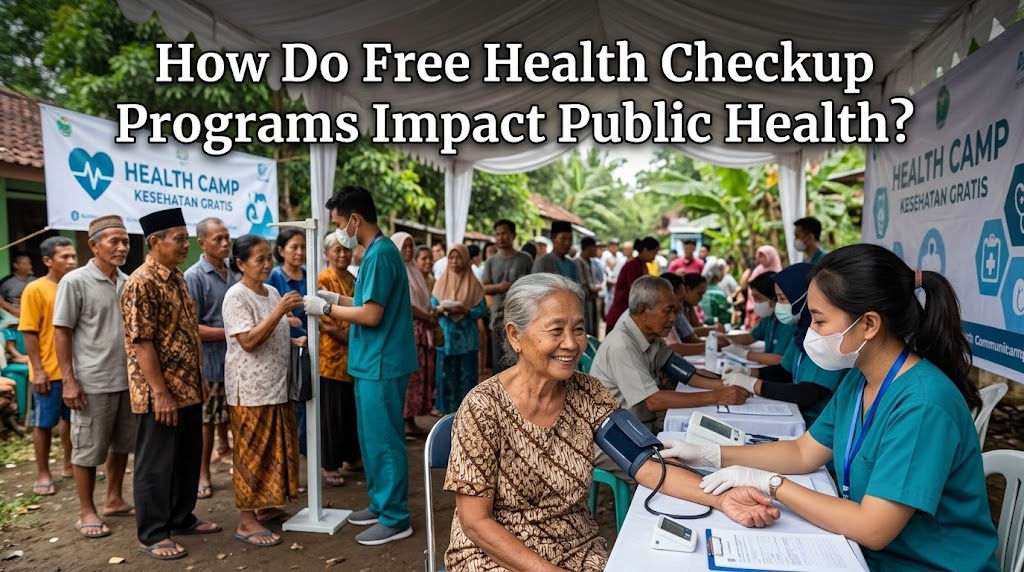
Free health checkup programs play an important role in improving public health by helping people understand their health conditions and identify potential medical problems earlier. These programs provide access to basic medical examinations without requiring participants to pay examination fees. As a result, more people can receive preventive healthcare services, including individuals who may have limited financial resources or difficulty accessing medical facilities.
Public health focuses on protecting and improving the health of entire communities, not just individuals. Through free health checkups, governments and healthcare institutions can encourage disease prevention, increase health awareness, and identify common health risks within the population. Understanding these impacts helps explain why free health checkup programs are an important part of public healthcare systems.
IMPROVING EARLY DISEASE DETECTION
One of the most important impacts of free health checkup programs is improving early disease detection across communities. Many health conditions, such as diabetes, hypertension, and high cholesterol, can develop without noticeable symptoms. Through regular screening, healthcare professionals can identify certain risk factors before they lead to more serious complications. This allows individuals to seek further medical evaluation and receive appropriate treatment when necessary.
Early detection also helps healthcare providers understand which health problems require greater attention within a community. For example, screening results may reveal that many participants have elevated blood pressure or blood sugar levels. This information can encourage healthcare institutions to provide additional education, monitoring, and preventive services. Although screening cannot detect every disease, it can support better health management and reduce the risk of delayed diagnosis.
REDUCING THE SPREAD OF PREVENTABLE DISEASES
Free health checkup programs can contribute to preventing certain diseases by helping people identify health problems and receive appropriate medical guidance. Some screening services may include examinations for infectious diseases, depending on the program's objectives and available facilities. When infections are identified, individuals can receive further testing, treatment, and advice about preventing transmission. These actions can help reduce the risk of infections spreading within families and communities.
In addition, health checkups can provide opportunities for healthcare professionals to educate people about hygiene, vaccination, and other preventive measures. Participants can learn how to recognize warning signs and when to seek medical assistance. However, health checkups alone cannot prevent all infectious diseases. Effective prevention also requires vaccination, proper sanitation, public education, and access to appropriate healthcare services.
INCREASING PUBLIC HEALTH AWARENESS
Free health checkup programs encourage people to become more aware of their physical condition and the importance of preventive healthcare. Many individuals only visit medical facilities when they experience symptoms or serious health problems. By providing accessible examinations, these programs introduce the idea that regular health monitoring is important even when someone feels healthy. This can gradually improve public understanding of disease prevention.
Healthcare professionals can also use examination sessions to explain healthy habits and common medical risks. Participants may receive recommendations about balanced nutrition, physical activity, adequate sleep, and avoiding harmful habits. When people understand how their daily decisions affect their health, they can make more informed lifestyle choices. Greater health awareness can eventually support healthier behaviors across families and communities.
REDUCING INEQUALITY IN HEALTHCARE ACCESS
Healthcare inequality remains a challenge in many communities, particularly for people with limited financial resources or those living far from medical facilities. Free health checkup programs help reduce some of these barriers by providing basic examinations without direct examination fees. This allows more people to access preventive healthcare services regardless of their financial circumstances. It can be especially beneficial for vulnerable groups who may otherwise postpone medical examinations.
Furthermore, these programs can help healthcare institutions reach communities that have fewer opportunities to receive medical attention. Mobile health services and community-based screening activities can bring examinations closer to people living in remote areas. However, access may still depend on transportation, available facilities, staffing, and program eligibility. Improving these factors is important to ensure that free healthcare services reach the people who need them most.
SUPPORTING BETTER GOVERNMENT HEALTH POLICIES
Free health checkup programs can provide useful information for governments and public health institutions. Aggregated screening results can help identify common health risks, patterns of disease, and healthcare needs within specific populations. For example, information about elevated blood sugar levels or high blood pressure among participants can help authorities identify areas that may require additional preventive services. This information can support the development of more targeted public health strategies.
In addition, health data can help governments evaluate whether existing healthcare programs are reaching their intended communities. Authorities may use these findings to improve health education, expand screening facilities, and allocate healthcare resources more effectively. However, collected information must be managed responsibly to protect individual privacy. Accurate data collection and proper analysis are essential for making public health decisions based on reliable evidence.
ENCOURAGING HEALTHIER COMMUNITIES
Free health checkup programs can encourage healthier communities by motivating individuals and families to pay greater attention to their well-being. When people receive information about their health conditions, they may become more interested in adopting healthier habits. Families can support one another by preparing nutritious meals, exercising together, and attending recommended medical appointments. These small changes can contribute to better health across households.
At the community level, health screening activities can create opportunities for people to learn from healthcare professionals and participate in disease prevention initiatives. Community organizations may also work with medical facilities to organize health education activities and promote healthier environments. Over time, these efforts can strengthen public participation in healthcare programs. A healthier community can also benefit from improved daily productivity and quality of life.
HELPING REDUCE LONG-TERM HEALTHCARE COSTS
Free health checkup programs may help reduce long-term healthcare expenses by identifying certain health risks before they become more complicated. When medical conditions are detected early, individuals may have more opportunities to manage them through lifestyle changes, monitoring, or timely treatment. This can help prevent some avoidable complications that require more intensive medical care. Early intervention may also reduce the personal and financial burden associated with advanced illnesses.
From a public health perspective, preventive healthcare can support more efficient use of healthcare resources. Medical institutions may be able to identify populations that need additional attention and provide suitable preventive services. However, screening programs also require funding, medical equipment, trained professionals, and follow-up services. Their overall financial benefits depend on program quality, participation, and whether identified health problems receive appropriate care.
STRENGTHENING PREVENTIVE HEALTHCARE SERVICES
Free health checkup programs strengthen preventive healthcare by encouraging people to take action before serious health problems develop. Instead of depending entirely on treatment after symptoms appear, individuals can receive basic examinations and professional recommendations to manage potential risks. This approach supports a healthcare system that gives greater attention to prevention and early intervention.
These programs can also connect participants with other healthcare services when additional examinations or treatments are necessary. For example, someone with abnormal screening results may be referred to a doctor for further evaluation. Proper follow-up is essential because screening alone does not confirm every medical condition. By combining examinations, medical consultations, and continuous health monitoring, healthcare institutions can provide more comprehensive preventive services.
CONCLUSION
Free health checkup programs have a significant role in supporting public health by improving early disease detection, increasing health awareness, and expanding access to preventive medical services. They can also help reduce healthcare inequalities, support government health policies, and encourage healthier habits within families and communities.
However, the success of these programs depends on more than providing free examinations. Accessible healthcare facilities, qualified medical professionals, reliable screening procedures, and appropriate follow-up services are also necessary. When these elements work together, free health checkup programs can contribute to stronger healthcare systems and better overall health for society.
Recent Posts

Bagaimana Sistem SKS pada Program Kuliah... 22.11.2026/48 View

How Does Technology Make Daily Evaluation... 21.11.2026/76 View

Apa Strategi Menghadapi Kesenjangan antara Kompetensi... 21.11.2026/78 View

Mengapa Inventaris Aset Penting bagi Kelancaran... 21.11.2026/73 View

When Should Musicians Join a Record... 21.11.2026/78 View
