

How Do Free Health Checkup Programs Support a Healthier Community?
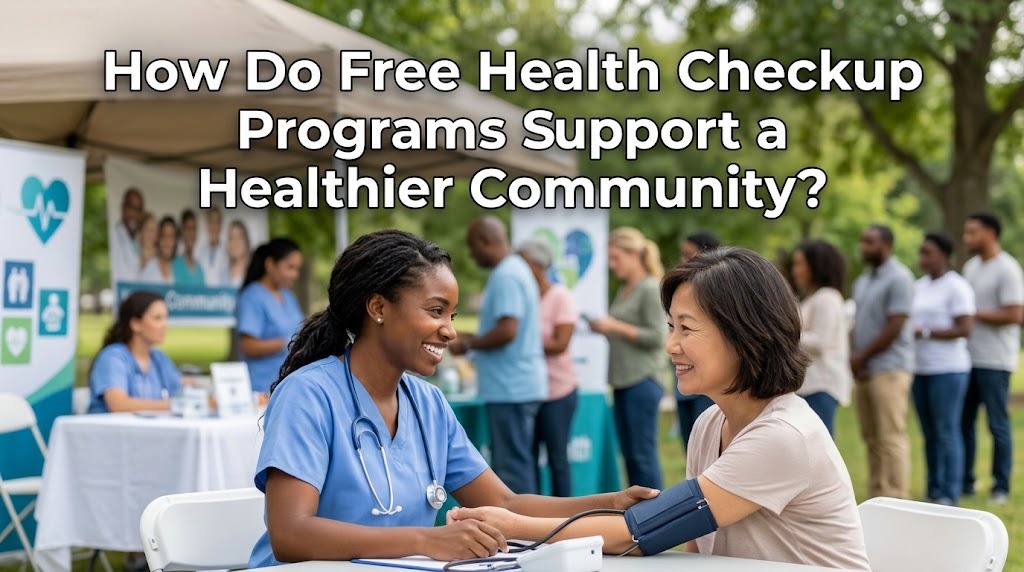
Free health checkup programs play an important role in creating healthier communities by making basic healthcare services more accessible to the public. These programs allow individuals to monitor their health, identify potential medical problems, and receive professional guidance without worrying about the cost of covered examinations. When more people have access to preventive healthcare, communities have greater opportunities to improve their overall health and well-being.
Many health problems can develop without noticeable symptoms, making regular medical examinations important for people of different ages. However, financial limitations, limited healthcare facilities, and a lack of health awareness can prevent individuals from seeking medical attention. Free health checkup programs help address these challenges by encouraging people to prioritize prevention and take responsibility for their health.
Beyond individual benefits, these programs can also strengthen public health awareness, reduce certain health risks, and encourage healthier habits among families and communities.
IMPROVING ACCESS TO HEALTHCARE SERVICES
One of the main ways free health checkup programs support healthier communities is by improving access to basic healthcare services. Not everyone can afford regular medical examinations, especially individuals from low-income families or communities with limited financial resources. By providing certain medical screenings without examination fees, these programs help reduce financial barriers to preventive healthcare.
Greater access allows more people to receive basic health assessments, including blood pressure measurements, blood sugar tests, and other examinations depending on the available services. These services can help individuals understand their physical condition and recognize potential health risks. People who previously avoided medical examinations because of financial concerns may become more willing to visit healthcare facilities.
Improved healthcare access also benefits communities where medical facilities are limited. Government initiatives and community health programs can bring basic screening services closer to residents through local health centers and outreach activities. This can encourage more people to participate in preventive healthcare and improve community awareness of available medical services.
ENCOURAGING EARLY DETECTION OF DISEASES
Early disease detection is essential for improving public health because many medical conditions can develop gradually without obvious symptoms. Free health checkup programs encourage people to undergo medical screenings before they experience serious health problems. This allows healthcare professionals to identify certain warning signs and recommend further examinations when necessary.
For example, blood pressure measurements can help identify elevated blood pressure, while blood glucose tests can reveal possible blood sugar problems. Other screenings may help assess cholesterol levels, nutritional conditions, and additional health indicators. Identifying these potential risks can encourage individuals to seek appropriate medical attention earlier.
When more people participate in preventive examinations, communities can become more aware of common health problems and the importance of early medical attention. Although screening results do not automatically confirm a diagnosis, they provide useful information for further evaluation. Early detection, followed by appropriate treatment and monitoring, can help reduce the risk of serious complications.
INCREASING PUBLIC HEALTH AWARENESS
Free health checkup programs also help improve public understanding of health and disease prevention. During medical examinations, healthcare professionals can explain the meaning of screening results and provide information about factors that influence physical well-being. This interaction helps individuals understand that maintaining good health requires more than visiting a doctor when they feel sick.
Participants may receive education about balanced nutrition, regular exercise, personal hygiene, adequate sleep, and disease prevention. They can also learn about the health risks associated with smoking, excessive sugar consumption, and physical inactivity. This information can encourage people to make more responsible decisions in their everyday lives.
Increased health awareness can gradually influence the behavior of entire communities. Individuals who understand the importance of preventive healthcare may share useful information with their families, friends, and neighbors. As a result, healthy habits can become more widely accepted and practiced within the community.
SUPPORTING LOW-INCOME FAMILIES AND VULNERABLE GROUPS
Free health checkup programs are particularly valuable for low-income families and vulnerable populations who may experience difficulties accessing healthcare services. Financial limitations can cause people to postpone medical examinations or ignore potential health problems. Free screening services provide an opportunity for these individuals to receive basic medical attention without paying for covered examinations.
Children, older adults, people with disabilities, and residents of underserved areas may also benefit from healthcare initiatives designed to reach specific population groups. Depending on the program, they may receive age-appropriate examinations and recommendations based on their health needs. These services can help identify conditions that require additional medical attention.
Supporting vulnerable groups also contributes to more inclusive community healthcare. When people from different economic backgrounds have opportunities to access preventive services, differences in healthcare access can be reduced. However, free screening programs should be supported by accessible follow-up services to ensure that individuals who need further care can receive appropriate assistance.
REDUCING THE RISK OF COMMUNICABLE AND NONCOMMUNICABLE DISEASES
Free health checkup programs can contribute to disease prevention by helping individuals understand their health risks and receive appropriate medical guidance. Noncommunicable diseases, such as diabetes, hypertension, and cardiovascular conditions, are often associated with factors that can be managed through healthier lifestyle choices and medical care. Regular screenings can help identify certain risk factors before they lead to more serious complications.
Some healthcare initiatives may also include assessments related to communicable diseases, depending on their objectives and available resources. Early identification can help healthcare professionals recommend appropriate testing, treatment, and preventive measures. These activities can contribute to better disease management and reduce the risk of further transmission when relevant.
However, health checkups alone cannot prevent every disease. Effective prevention also requires vaccination when appropriate, proper sanitation, healthy environments, public education, and access to suitable medical treatment. Combining these efforts creates stronger protection for individuals and the wider community.
PROMOTING HEALTHIER LIFESTYLES AMONG COMMUNITY MEMBERS
Healthy communities are built through everyday habits that support physical and mental well-being. Free health checkup programs can encourage these habits by helping individuals understand how their lifestyle affects their health. Medical examination results may motivate people to improve their eating patterns, increase physical activity, and pay closer attention to their daily routines.
For example, someone with elevated blood sugar may receive recommendations to improve their diet and discuss further evaluation with a healthcare professional. Individuals with certain cardiovascular risk factors may be encouraged to exercise regularly and reduce excessive salt consumption. These recommendations can help people make lifestyle changes based on their individual health needs.
Healthy habits can also spread through families and social environments. Parents who become more aware of nutrition and physical activity may encourage their children to adopt similar routines. When more households practice healthy behaviors, the positive effects can extend beyond individual participants and contribute to a healthier community.
STRENGTHENING COMMUNITY HEALTH FACILITIES
Free health checkup programs can strengthen the role of community healthcare facilities, including public health centers and local clinics. These facilities often serve as the first point of contact for people who need basic medical examinations and preventive health services. Through organized screening programs, healthcare workers can reach more residents and encourage regular health monitoring.
Community health facilities can also provide consultations, health education, and referrals for individuals who require additional medical attention. This helps participants understand where to seek further assistance after receiving their screening results. Strong connections between local health centers and other healthcare institutions can make medical services more organized and accessible.
In addition, community health activities can encourage better communication between healthcare professionals and residents. People may become more comfortable asking questions, discussing health concerns, and seeking medical advice. This relationship can support long-term participation in preventive healthcare activities.
HELPING GOVERNMENTS IDENTIFY COMMUNITY HEALTH NEEDS
Free health checkup programs can provide useful information about common health risks within a population. When screening activities are properly organized and health information is handled responsibly, aggregated results can help public health authorities understand the health conditions of different communities.
For example, collected data may indicate that certain areas have a higher number of people with elevated blood pressure, nutritional problems, or other health concerns. This information can help authorities identify where additional healthcare education, screening services, or medical resources may be needed. It can also support the development of public health initiatives that respond to local conditions.
However, personal medical information must remain protected and should only be accessed or used according to applicable privacy regulations. Public health planning should rely on appropriately managed and aggregated information rather than exposing individual medical records. Responsible data management helps maintain public trust in healthcare programs.
ENCOURAGING FAMILIES TO TAKE RESPONSIBILITY FOR HEALTH
Families have an important influence on the health habits of their members. Free health checkup programs can encourage families to become more involved in preventive healthcare by providing opportunities for different age groups to understand their health conditions. This can help parents, children, and older family members recognize the importance of regular health monitoring.
When family members participate in health examinations, they may become more aware of shared health risks and the importance of maintaining healthy routines. Parents can encourage children to eat nutritious meals, remain physically active, and maintain personal hygiene. Meanwhile, younger family members can help older relatives attend medical appointments and follow healthcare recommendations.
Family involvement also makes it easier to maintain healthy habits over time. Simple activities such as preparing balanced meals, walking together, and scheduling routine health examinations can support better well-being. These positive habits can gradually contribute to healthier households and stronger communities.
IMPROVING COMMUNITY WELL-BEING AND QUALITY OF LIFE
A healthier community provides better opportunities for people to participate in education, employment, family activities, and social life. Free health checkup programs support this goal by encouraging individuals to understand their health conditions and seek appropriate medical attention. When potential health problems are identified earlier, people may have better opportunities to manage them before serious complications develop.
Preventive healthcare can also help reduce the burden associated with untreated medical conditions. Individuals who receive appropriate guidance may become more confident in managing their health and maintaining daily activities. This can support their ability to work, study, care for family members, and participate in community activities.
However, better quality of life requires continuous efforts beyond medical examinations. Communities also need accessible treatment, health education, clean environments, nutritious food, and opportunities for physical activity. Free health checkups are one important part of a broader approach to improving public well-being.
CONCLUSION
Free health checkup programs support healthier communities by improving access to healthcare services, encouraging early disease detection, and increasing public awareness of preventive healthcare. These initiatives also provide valuable support for low-income families, vulnerable populations, and individuals who may otherwise have difficulty accessing basic medical examinations.
Beyond individual health benefits, free screenings can strengthen community healthcare facilities, encourage healthier family habits, and help public health authorities understand local health needs. When combined with appropriate medical follow-up, health education, and healthy lifestyle choices, these programs can contribute to better community well-being.
Ultimately, building a healthier community requires participation from individuals, families, healthcare professionals, and public institutions. Taking advantage of available free health checkup services is a practical step toward creating a society that is more aware of health risks, values prevention, and supports the well-being of everyone.
Recent Posts

Bagaimana Sistem SKS pada Program Kuliah... 22.11.2026/47 View

How Does Technology Make Daily Evaluation... 21.11.2026/75 View

Apa Strategi Menghadapi Kesenjangan antara Kompetensi... 21.11.2026/77 View

Mengapa Inventaris Aset Penting bagi Kelancaran... 21.11.2026/73 View

When Should Musicians Join a Record... 21.11.2026/77 View
