

How Do Free Health Checkups Help Prevent Diseases?
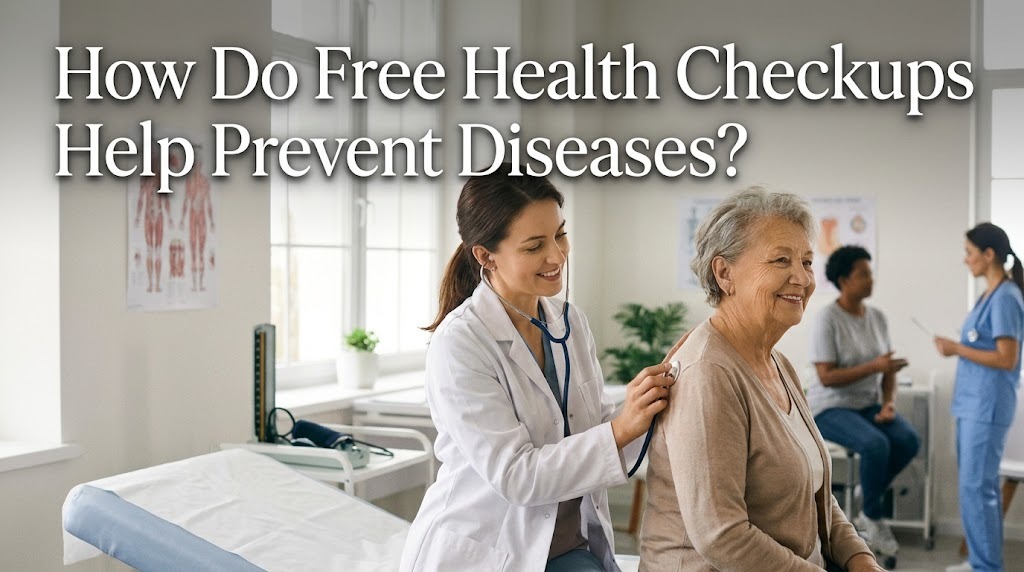
Free health checkups are an important way to help people understand their health conditions and reduce the risk of developing serious diseases. Many health problems do not show clear symptoms during their early stages, which means people may not realize that something is wrong with their bodies. Through regular health examinations, individuals can identify potential health risks before they become more difficult to manage
Free health checkup programs also encourage people to pay more attention to their physical well-being. Instead of visiting a healthcare facility only when they feel sick, people can take preventive steps by checking their health regularly. These examinations can provide useful information about the body's condition and help individuals make better decisions about their daily habits
By improving early detection and health awareness, free health checkups can support disease prevention and encourage healthier communities. Understanding how these examinations work can help people make better use of available healthcare services
WHAT ARE FREE HEALTH CHECKUPS?
Free health checkups are healthcare services that allow eligible individuals to receive certain medical examinations without paying examination fees. These services are often provided through government health programs, community health centers, or other healthcare initiatives. Their main purpose is to help people understand their health conditions and identify possible health risks at an early stage
The types of examinations may vary depending on a person's age, health needs, and the program's requirements. Common examinations can include blood pressure measurements, blood sugar tests, weight assessments, and other screenings. Children may receive examinations related to their growth and development, while adults and older people may be checked for conditions associated with aging and lifestyle factors
These services are part of preventive healthcare, which focuses on identifying health problems before they become more serious. However, a screening examination does not always provide a final diagnosis. If a result indicates a possible health problem, further medical evaluation may be necessary
HOW DO FREE HEALTH CHECKUPS DETECT DISEASES EARLY?
Early detection is one of the most important benefits of free health checkups. Some diseases can develop gradually without causing noticeable symptoms, making it difficult for people to recognize them on their own. Health examinations can help identify unusual results or risk factors that may require further attention
For example, high blood pressure often develops without obvious warning signs. A person may feel healthy while having blood pressure levels that require medical attention. Regular blood pressure measurements can help identify this condition earlier and encourage individuals to seek appropriate guidance
Blood sugar examinations can also help detect possible risks related to diabetes. When abnormal results are identified, healthcare professionals can recommend additional tests and provide advice about diet, physical activity, and other preventive measures. Finding potential problems earlier can create more opportunities to manage health conditions and reduce the risk of complications
HOW DO HEALTH SCREENINGS HELP PREVENT CHRONIC DISEASES?
Chronic diseases are long-term health conditions that may develop over time and require continuous management. Examples include diabetes, high blood pressure, and certain cardiovascular diseases. These conditions can affect daily activities and quality of life, especially when they are not recognized or managed properly
Free health checkups can help identify risk factors associated with chronic diseases. Examinations such as blood pressure measurements, blood sugar tests, and weight assessments provide useful information about a person's health. Healthcare professionals can use these results to determine whether additional examinations or lifestyle changes may be needed
Early awareness also helps people understand the importance of preventing chronic diseases through healthy habits. Individuals may be encouraged to eat balanced meals, reduce excessive sugar and salt consumption, exercise regularly, and maintain a healthy weight. Although health screenings cannot guarantee that someone will avoid chronic diseases, they can support earlier prevention and better health management
WHY ARE BLOOD PRESSURE AND BLOOD SUGAR TESTS IMPORTANT?
Blood pressure and blood sugar tests are important because they help identify common health risks that may not produce clear symptoms. High blood pressure can increase the risk of heart disease, stroke, and other complications when it remains uncontrolled. Meanwhile, consistently high blood sugar levels may indicate diabetes or an increased risk of developing the condition
A blood pressure test measures the force of blood against the walls of the arteries. The results help healthcare professionals understand whether a person's blood pressure is within a healthy range or requires further evaluation. Regular monitoring is especially useful for people with a family history of hypertension or other related risk factors
Blood sugar tests measure the amount of glucose in the blood. Depending on the type of test, healthcare professionals may use the results to assess possible diabetes or prediabetes. People should follow medical instructions before testing because some blood sugar examinations require fasting while others do not
These examinations provide valuable information, but abnormal results do not automatically confirm a disease. A healthcare professional may need to conduct additional tests and consider the person's medical history before making a diagnosis
HOW DO FREE HEALTH CHECKUPS ENCOURAGE HEALTHIER LIFESTYLES?
Free health checkups can encourage healthier lifestyles by helping people understand how their daily habits affect their bodies. When individuals receive information about their health conditions, they may become more motivated to improve their eating habits, exercise routines, and sleeping patterns. This awareness can make disease prevention feel more relevant to everyday life
For example, someone who discovers an increased risk of diabetes may begin reducing sugary drinks and choosing more nutritious meals. A person with high blood pressure may be advised to reduce salt intake, maintain a healthy weight, and become more physically active. These changes can help manage certain risk factors when followed consistently
Health checkups can also provide opportunities for people to receive advice from healthcare professionals. They can ask questions about their health concerns and learn which habits may help protect their bodies. With proper guidance, individuals can develop realistic health goals and make gradual improvements to their daily routines
HOW DO FREE HEALTH CHECKUPS BENEFIT CHILDREN AND OLDER PEOPLE?
Free health checkups can provide important benefits for people of different age groups because their health needs change throughout life. Children need regular attention to support healthy growth and development, while older people may require closer monitoring of conditions associated with aging. Health examinations can help identify concerns that need further assessment
For children, checkups may include measurements of height and weight, vision examinations, dental assessments, and developmental screenings. These examinations can help parents understand whether their children are growing according to their age and identify possible concerns early. When necessary, healthcare professionals can recommend further evaluation or appropriate support
Older people may benefit from examinations that focus on blood pressure, blood sugar, vision, and other health risks. Early identification of health problems can help them receive appropriate medical advice and manage existing conditions. These services can also encourage family members to become more involved in supporting the health and well-being of older relatives
WHAT SHOULD PEOPLE DO AFTER A FREE HEALTH CHECKUP?
The steps taken after a health examination are just as important as the examination itself. People should listen carefully to the healthcare professional's explanation and make sure they understand their results. If there are medical terms or findings they do not understand, they should ask for a clearer explanation
If the results indicate possible health problems, individuals should follow the recommended medical advice. This may include additional examinations, consultations, lifestyle changes, or treatment when necessary. Ignoring abnormal results can delay the identification and management of health conditions
People should also keep their examination records whenever possible. These records can help healthcare professionals compare results from different periods and monitor changes in a person's health. Regular follow-up examinations may be recommended depending on age, medical history, and individual risk factors
HOW CAN REGULAR HEALTH CHECKUPS IMPROVE QUALITY OF LIFE?
Regular health checkups can support a better quality of life by helping people understand their health conditions and respond to potential problems earlier. When health risks are identified, individuals have more opportunities to seek medical advice and make appropriate lifestyle changes. This can help reduce the possibility of certain conditions becoming more serious
Good health also supports people's ability to work, study, exercise, and participate in social activities. When individuals understand their health needs, they can make more informed decisions about their daily routines. Preventive healthcare can therefore contribute to physical well-being and greater awareness of personal health responsibilities
However, health checkups should be combined with consistent healthy habits. Eating nutritious food, staying physically active, getting enough sleep, avoiding smoking, and managing stress are important parts of disease prevention. Together, regular examinations and healthy lifestyle choices can help people maintain their health over time
CONCLUSION
Free health checkups help prevent diseases by providing opportunities to identify potential health risks before they develop into more serious problems. Examinations such as blood pressure measurements, blood sugar tests, and other health screenings can give individuals useful information about their physical condition
These services also encourage people to adopt healthier lifestyles, seek medical advice when necessary, and pay closer attention to their health at every stage of life. Children, adults, and older people can all benefit from examinations that match their individual health needs
Although free health checkups cannot guarantee complete protection from disease, they are an important part of preventive healthcare. By combining early detection, regular monitoring, and healthy daily habits, people can take practical steps toward a healthier and better quality of life
Recent Posts

Bagaimana Sistem SKS pada Program Kuliah... 22.11.2026/49 View

How Does Technology Make Daily Evaluation... 21.11.2026/76 View

Apa Strategi Menghadapi Kesenjangan antara Kompetensi... 21.11.2026/78 View

Mengapa Inventaris Aset Penting bagi Kelancaran... 21.11.2026/74 View

When Should Musicians Join a Record... 21.11.2026/78 View
