

How Do Free Health Checkups Improve Quality of Life?
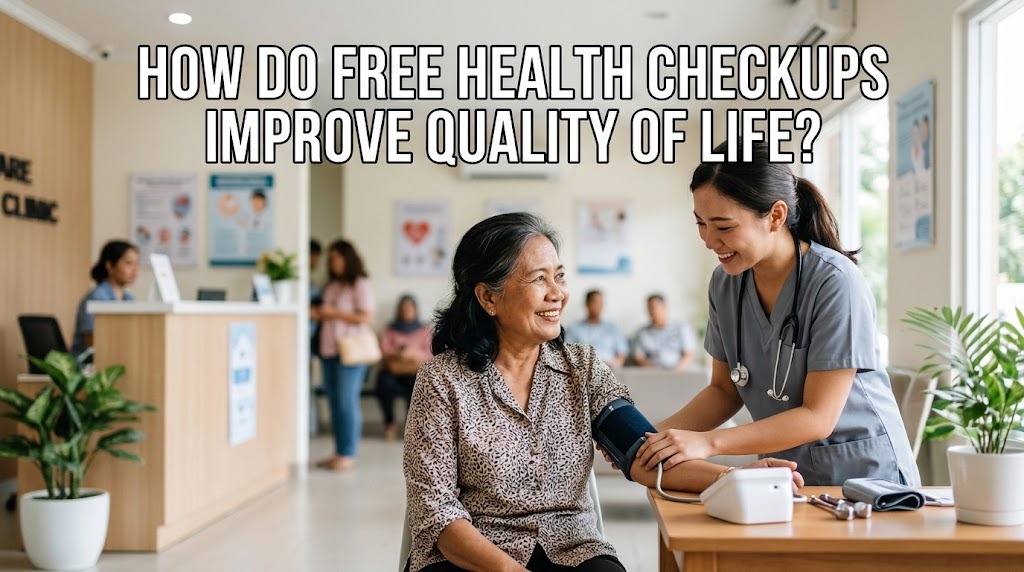
Good health plays an important role in helping people enjoy a better quality of life. When the body is healthy, individuals can work, study, exercise, and participate in daily activities more comfortably. However, many health problems develop gradually without noticeable symptoms, making regular health examinations important for everyone. Free health checkups provide an opportunity for people to understand their health conditions without worrying about the cost of services covered by the program.
Free health checkups are designed to help detect potential health problems, identify risk factors, and encourage preventive healthcare. Through various medical screenings, participants can receive useful information about their physical condition and learn how to maintain their health. These benefits can improve not only physical well-being but also mental, social, and economic aspects of everyday life. Understanding how these programs work can help people make better decisions about their health.
HELPING DETECT HEALTH PROBLEMS EARLY
One of the main benefits of free health checkups is the ability to identify potential health problems before they become more serious. Some conditions, such as high blood pressure, diabetes, and high cholesterol, may develop without clear symptoms. People who rarely visit healthcare facilities may not realize that their bodies are experiencing health changes. Through regular screening, these conditions can be identified earlier, allowing individuals to seek appropriate medical advice.
Early detection can make a significant difference in managing certain diseases. When health risks are discovered sooner, individuals have more opportunities to receive treatment, change unhealthy habits, and prevent complications. For example, someone with high blood pressure may be advised to reduce salt consumption, exercise regularly, and monitor their condition. These preventive actions can help protect long-term health and support a better quality of life.
REDUCING THE RISK OF SERIOUS DISEASES
Free health checkups support disease prevention by helping people recognize factors that may increase their risk of developing serious health conditions. Screenings can provide information about blood pressure, blood sugar, body weight, and other health indicators. These results help healthcare professionals identify possible risks associated with cardiovascular diseases, diabetes, and other chronic conditions. Understanding these risks allows individuals to take preventive steps before complications occur.
Preventing serious diseases is important because long-term health problems can affect a person's ability to perform everyday activities. Chronic conditions may require continuous treatment, regular medical visits, and lifestyle adjustments. By identifying health risks early, people can receive recommendations that help reduce the likelihood of developing complications. Although health screenings cannot prevent every disease, they provide valuable information for making healthier decisions.
IMPROVING PHYSICAL HEALTH AND DAILY ACTIVITIES
Physical health directly affects how comfortably people perform their daily responsibilities. Individuals with untreated health problems may experience fatigue, weakness, pain, or reduced physical abilities. These conditions can make simple activities, such as walking, working, studying, and exercising, more difficult. Free health checkups help people understand their physical condition and identify problems that may affect their daily performance.
The information obtained from health examinations can also encourage individuals to improve their physical habits. Healthcare professionals may recommend balanced nutrition, regular exercise, sufficient sleep, and other healthy practices based on screening results. For example, someone who is overweight may receive guidance about maintaining a healthier body weight through appropriate dietary changes and physical activity. By applying these recommendations consistently, people can improve their physical fitness and maintain greater independence in everyday life.
SUPPORTING MENTAL HEALTH AND EMOTIONAL WELL-BEING
Physical health and mental well-being are closely connected. Health problems that remain undetected may cause worry, discomfort, and uncertainty about a person's condition. Free health checkups can help reduce some of this uncertainty by providing information about important health indicators. Knowing more about their physical condition can help individuals make informed decisions and feel more prepared to manage their health.
Health examinations can also create opportunities for people to discuss concerns with healthcare professionals. Participants may receive advice about managing stress, improving sleep, and maintaining healthy daily routines. However, a normal physical screening result does not guarantee that someone has no mental health difficulties. People experiencing emotional distress or psychological symptoms may still need specific mental health assessments and professional support.
MAKING HEALTHCARE MORE ACCESSIBLE
Access to healthcare is an important factor in determining the quality of life within a community. However, financial limitations can prevent some people from receiving regular medical examinations. Free health checkup programs help reduce this barrier by providing eligible participants with access to screening services without charging for examinations covered by the program. This allows more people to understand their health conditions and receive basic preventive services.
Better access to health screenings is particularly important for individuals and families with limited financial resources. Instead of delaying examinations because of costs, eligible participants can use available services to identify potential health risks. This can encourage a stronger connection between communities and healthcare facilities. When preventive healthcare becomes more accessible, people have greater opportunities to protect their health and maintain their daily activities.
ENCOURAGING HEALTHIER LIFESTYLE HABITS
Free health checkups can encourage people to adopt healthier lifestyles by showing how daily habits influence physical conditions. Screening results may reveal health indicators that require attention, such as high blood sugar, elevated cholesterol, or excessive body weight. This information can motivate individuals to reconsider their eating habits, physical activity, and other lifestyle choices. Healthcare professionals can also provide recommendations based on each person's examination results.
Developing healthy habits is important for maintaining long-term well-being. People can start by eating nutritious foods, drinking enough water, exercising regularly, and getting sufficient sleep. Avoiding smoking and limiting unhealthy food consumption can also reduce certain health risks. When these habits become part of everyday routines, individuals can improve their physical condition and support a healthier lifestyle.
IMPROVING PRODUCTIVITY AT WORK AND SCHOOL
Good health helps people remain productive in their workplaces, schools, and other daily environments. Individuals who understand their health conditions can take appropriate steps to manage problems that might interfere with their responsibilities. For example, identifying anemia, vision problems, or other health concerns may help someone seek treatment before the condition affects their performance. Health screenings can therefore support better preparation for daily activities.
Free health checkups may also benefit workplaces and educational communities by encouraging preventive healthcare awareness. Employees and students who receive appropriate health guidance may become more aware of the importance of maintaining their physical and mental well-being. However, health checkups alone cannot guarantee higher productivity because performance is also influenced by working conditions, education, rest, and other factors. They are one part of a broader effort to create healthier and more supportive environments.
REDUCING LONG-TERM HEALTHCARE COSTS
Preventive healthcare can help reduce the financial burden associated with certain health conditions. When potential problems are identified early, individuals may have more opportunities to receive appropriate care before complications develop. Some advanced diseases require more complex treatment, longer hospital stays, and continuous medical support. Early screening can help people recognize risks and seek medical attention at a more suitable time.
Free health checkup programs also help eligible participants access certain preventive services without paying for examinations included in the program. This can reduce the initial financial barrier to checking their health conditions. Nevertheless, not every treatment or follow-up examination is necessarily free. Participants should understand the program's coverage and follow the applicable healthcare procedures to avoid unexpected expenses.
SUPPORTING HEALTHIER FAMILIES AND COMMUNITIES
The benefits of free health checkups can extend beyond individuals and contribute to healthier families and communities. When one family member becomes more aware of their health, that knowledge can encourage other family members to pay attention to their own conditions. Parents, for example, can develop better habits by introducing nutritious meals, regular physical activities, and appropriate health examinations at home. These simple actions can create a healthier environment for children and adults.
At the community level, greater participation in health screening programs can strengthen awareness of disease prevention. People can share information about available healthcare services and encourage others to seek medical advice when necessary. Community participation also supports public health efforts by making preventive healthcare a shared responsibility. With cooperation between governments, healthcare professionals, families, and individuals, healthier communities become easier to achieve.
CONCLUSION
Free health checkups improve quality of life by helping people detect potential diseases early, understand their physical conditions, and make healthier lifestyle decisions. These programs also support mental well-being, improve healthcare accessibility, encourage productivity, and help reduce certain long-term healthcare expenses. Through appropriate screening and medical guidance, individuals can take more active steps toward protecting their health.
However, the benefits of free health checkups depend on how people use and follow up on the results. Screening should be combined with healthy habits, professional medical advice, and additional examinations when necessary. By making preventive healthcare part of everyday life, individuals and communities can build a healthier future and enjoy a better quality of life.
Recent Posts

Bagaimana Sistem SKS pada Program Kuliah... 22.11.2026/49 View

How Does Technology Make Daily Evaluation... 21.11.2026/76 View

Apa Strategi Menghadapi Kesenjangan antara Kompetensi... 21.11.2026/78 View

Mengapa Inventaris Aset Penting bagi Kelancaran... 21.11.2026/74 View

When Should Musicians Join a Record... 21.11.2026/78 View
