

How Do Free Health Checkups Promote Healthy Living?
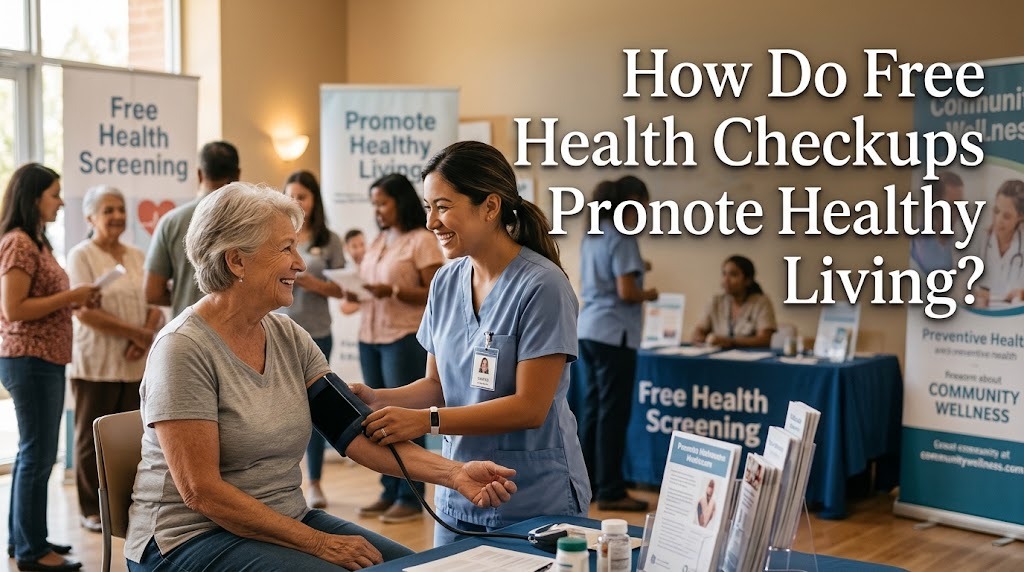
Free health checkups play an important role in encouraging people to adopt healthier lifestyles. Regular health examinations help individuals understand their physical condition, identify potential health problems, and make better decisions about their daily habits. By providing access to basic medical screenings without examination costs, these programs encourage more people to pay attention to their health.
Many people only visit healthcare facilities when they feel sick or experience noticeable symptoms. However, some health conditions can develop without clear warning signs. Free health checkups help address this problem by making preventive healthcare more accessible and encouraging individuals to monitor their health regularly.
In addition to detecting potential diseases, these programs can promote healthy living through medical consultations, health education, and recommendations for lifestyle improvements. Understanding how free health checkups support everyday well-being can motivate people to take a more active role in maintaining their health.
ENCOURAGING REGULAR HEALTH MONITORING
One of the main ways free health checkups promote healthy living is by encouraging people to monitor their health regularly. Many individuals do not pay attention to their physical condition until they experience discomfort or become ill. Free medical examinations provide an opportunity to understand important health indicators before serious symptoms appear.
During a health checkup, healthcare professionals may measure blood pressure, body weight, blood sugar levels, and other indicators depending on the available services. These measurements provide useful information about the body's condition and can help identify potential health risks. Individuals can use the results to understand whether their current lifestyle supports their overall health.
Regular monitoring also helps people recognize changes in their physical condition over time. For example, an increase in blood pressure or body weight may encourage someone to improve their eating habits and physical activity. By understanding these changes early, individuals can take appropriate steps to maintain their well-being.
HELPING PEOPLE DETECT HEALTH PROBLEMS EARLY
Early detection is another important benefit of free health checkups. Some diseases, including diabetes and hypertension, may develop gradually without producing obvious symptoms during their early stages. Without regular examinations, individuals may not realize that their health is at risk.
Health screenings can identify certain warning signs and risk factors that require further medical evaluation. For example, blood glucose tests can help identify possible blood sugar problems, while blood pressure measurements can reveal elevated readings. Early identification allows healthcare professionals to recommend further examinations, lifestyle changes, or medical treatment when necessary.
Detecting potential health problems early can also help people avoid complications associated with untreated conditions. However, screening tests do not diagnose every disease or guarantee that someone is completely healthy. Individuals should follow professional medical advice and complete additional examinations when recommended.
PROMOTING HEALTHIER EATING HABITS
Free health checkups can encourage people to improve their eating habits by helping them understand how nutrition affects their bodies. Health examination results may reveal risk factors associated with excessive weight, high blood sugar, or unhealthy cholesterol levels. These findings can motivate individuals to make more responsible food choices.
During medical consultations, healthcare professionals may provide advice about balanced nutrition and appropriate eating patterns. People may be encouraged to consume more vegetables, fruits, whole grains, and protein sources while limiting excessive sugar, salt, and unhealthy fats. These recommendations can help individuals develop eating habits that support long-term health.
Healthy eating does not always require expensive ingredients or complicated meal plans. People can begin with simple changes, such as reducing sugary drinks, controlling portion sizes, and choosing more nutritious everyday foods. When individuals understand their health conditions, they may become more motivated to maintain these habits consistently.
INCREASING AWARENESS OF PHYSICAL ACTIVITY
Physical activity is essential for maintaining a healthy body, but many people spend most of their time sitting because of work, school, or other daily responsibilities. Free health checkups can help individuals recognize the importance of movement and regular exercise. Health professionals may recommend physical activities based on a person's age, fitness level, and health condition.
Examination results can also help people understand whether their body weight and other health indicators require attention. For example, individuals with certain cardiovascular risk factors may benefit from appropriate physical activity under professional guidance. Regular movement can support heart health, strengthen muscles, improve flexibility, and help maintain a healthy body weight.
People do not necessarily need to perform intense workouts to become more active. Walking, cycling, swimming, and light exercise can be practical ways to increase daily movement. By following suitable recommendations, individuals can gradually build an active lifestyle that supports their physical well-being.
SUPPORTING MENTAL AND EMOTIONAL WELL-BEING
Healthy living involves more than maintaining physical fitness because mental and emotional well-being are also important. Free health checkups can provide opportunities for individuals to discuss health concerns and receive guidance from healthcare professionals. This interaction may help people understand how their daily habits, stress levels, and physical conditions are connected.
Some health programs may include basic assessments or consultations related to emotional well-being, depending on the services provided. Healthcare professionals can help identify concerns that may require additional support or referral to appropriate services. This is important because ongoing stress, poor sleep, and emotional difficulties can affect everyday activities and physical health.
Understanding personal health conditions can also reduce uncertainty and encourage people to seek appropriate assistance. Individuals may become more aware of the importance of adequate rest, relaxation, social support, and healthy daily routines. Although a routine health checkup does not replace professional mental health care, it can be an opportunity to discuss concerns and receive further guidance.
ENCOURAGING HEALTH EDUCATION AND PREVENTIVE HABITS
Free health checkup programs also promote healthy living by increasing public awareness of disease prevention. During examinations, healthcare professionals can explain common health risks and provide information about ways to protect the body. This education helps individuals understand that maintaining good health requires consistent attention rather than occasional medical visits.
People may receive information about personal hygiene, balanced nutrition, physical activity, smoking risks, and other factors that influence health. They can also learn about the importance of vaccinations, recommended screenings, and appropriate medical consultations. The information provided may differ depending on the program and individual health needs.
Health education becomes more effective when people apply the recommendations in their daily routines. For example, someone who learns about the risks of excessive salt consumption may begin choosing foods with lower sodium levels. Small preventive habits can gradually contribute to better health and reduce exposure to certain lifestyle-related risks.
MAKING PREVENTIVE HEALTHCARE MORE ACCESSIBLE
The cost of medical examinations can discourage people from checking their health regularly. Free health checkup programs help reduce this financial barrier by providing certain screening services without charging participants for the covered examinations. As a result, more individuals have an opportunity to access basic preventive healthcare.
These programs can be particularly beneficial for families with limited financial resources, people living in underserved communities, and individuals who rarely visit healthcare facilities. Depending on the program, examinations may be provided through public health centers, community clinics, or other participating healthcare facilities. Greater access can encourage people to seek medical information before their health problems become more serious.
However, free health checkups do not necessarily cover every medical examination, medication, or treatment. Additional services may involve separate requirements or costs. Participants should understand which services are included and ask healthcare professionals about further care when necessary.
HELPING PEOPLE BUILD HEALTHIER DAILY ROUTINES
Health checkup results can provide a starting point for building healthier daily routines. When individuals understand their physical condition, they can identify which habits need improvement. This makes health recommendations more relevant to their personal circumstances.
For example, someone with insufficient physical activity may begin walking regularly, while another person with elevated blood sugar may pay closer attention to food choices. Individuals who frequently experience fatigue may also be encouraged to review their sleeping patterns and discuss possible causes with healthcare professionals. These changes can be adjusted according to medical advice and personal needs.
Maintaining healthy routines requires consistency and realistic goals. People can start with manageable steps, such as drinking enough water, eating balanced meals, exercising regularly, and getting sufficient sleep. Over time, these habits can become part of everyday life and contribute to better overall well-being.
REDUCING THE RISK OF LIFESTYLE-RELATED DISEASES
Lifestyle-related diseases are often associated with factors such as unhealthy eating patterns, physical inactivity, smoking, and excessive alcohol consumption. Free health checkups can help individuals recognize certain risk factors before they develop more serious health problems. This awareness can encourage preventive actions that support long-term health.
Screenings for blood pressure, blood sugar, cholesterol, and body weight can provide useful information about possible health risks. Based on the results, healthcare professionals may recommend dietary improvements, increased physical activity, smoking cessation, or further medical evaluation. These recommendations can help individuals manage modifiable risk factors.
Although healthy habits cannot eliminate every possibility of disease, they can reduce the risk of several preventable health conditions. Combining regular medical monitoring with appropriate lifestyle changes is an important part of maintaining long-term health. People with existing medical conditions should follow their healthcare providers' recommendations rather than relying on lifestyle changes alone.
STRENGTHENING COMMUNITY HEALTH AWARENESS
Free health checkup programs can also improve health awareness across entire communities. When more people participate in preventive examinations, communities become more familiar with the importance of early detection and healthy lifestyles. This can encourage families and neighbors to support one another in maintaining good health.
Community health centers and public health organizations may use these programs to provide health education and encourage participation in preventive activities. They can also help identify common health concerns within specific populations. This information may support the development of more appropriate public health services.
Families can benefit when their members share positive health habits at home. Parents, for example, can encourage children to eat nutritious meals and remain physically active. When healthy behavior becomes part of everyday family life, it can create positive habits that continue into adulthood.
CONCLUSION
Free health checkups promote healthy living by encouraging regular health monitoring, supporting early disease detection, and increasing awareness of preventive healthcare. Through medical examinations and professional consultations, individuals can better understand their physical condition and identify lifestyle changes that may improve their well-being.
These programs also encourage healthier eating habits, regular physical activity, mental well-being, and better daily routines. By making basic medical screenings more accessible, free health checkups help people take greater responsibility for their health regardless of their financial circumstances.
Ultimately, maintaining a healthy lifestyle requires consistent effort beyond attending medical examinations. People should use their checkup results as guidance to develop healthier habits, follow medical recommendations, and monitor their health regularly. Small positive changes made every day can contribute to better health and quality of life in the long term.
Recent Posts

Bagaimana Sistem SKS pada Program Kuliah... 22.11.2026/49 View

How Does Technology Make Daily Evaluation... 21.11.2026/76 View

Apa Strategi Menghadapi Kesenjangan antara Kompetensi... 21.11.2026/78 View

Mengapa Inventaris Aset Penting bagi Kelancaran... 21.11.2026/74 View

When Should Musicians Join a Record... 21.11.2026/78 View
