

How Do Haters Affect Someone's Mental Health?
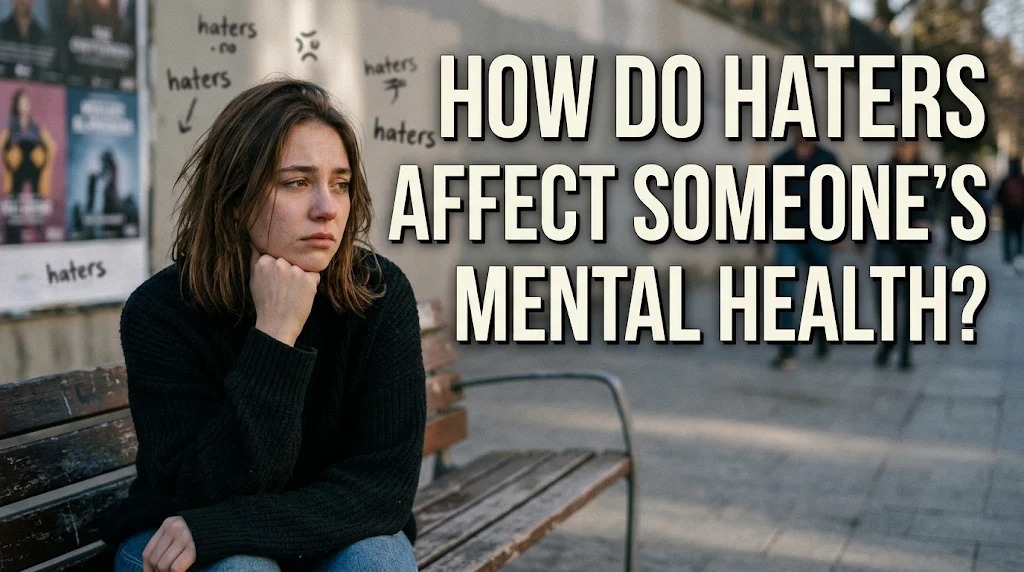
Negative comments, insults, and constant criticism can have a significant effect on someone's emotional well-being. People who frequently receive hurtful remarks may begin questioning their abilities, appearance, decisions, or personal achievements. These experiences can happen in everyday conversations, friendships, workplaces, schools, and social media interactions.
Although not every negative comment causes lasting harm, repeated hostility can become emotionally exhausting. The impact may depend on the intensity of the criticism, how frequently it occurs, the person's support system, and their ability to manage stressful situations. Understanding these effects is important for protecting mental health and developing healthier ways to respond to negativity.
REDUCING SELF-CONFIDENCE
One common effect of repeated criticism is a decline in self-confidence. When someone constantly hears negative remarks about their appearance, abilities, or decisions, they may gradually begin believing those statements.
This can make them feel less capable of achieving their goals or expressing their opinions. Even when they have accomplished something meaningful, they may struggle to appreciate their own progress because they are too focused on other people's judgments.
INCREASING STRESS AND ANXIETY
Constantly dealing with negative comments can create emotional pressure. Someone who expects criticism whenever they speak, share an achievement, or make a decision may become increasingly worried about how others will react.
This situation can contribute to stress and anxiety, particularly when the criticism is repeated or comes from people they regularly interact with. They may overthink conversations, become afraid of making mistakes, or feel uncomfortable in social situations.
CAUSING OVERTHINKING
Hurtful remarks can remain in someone's thoughts long after a conversation has ended. They may repeatedly remember what was said, question the person's intentions, or wonder whether the criticism contains some truth.
Overthinking can make it difficult to concentrate on daily responsibilities. Instead of focusing on schoolwork, professional tasks, or personal goals, individuals may spend excessive time analyzing negative interactions.
CREATING FEELINGS OF LONELINESS
People who experience repeated criticism or ridicule may gradually withdraw from social interactions. They might avoid conversations, group activities, or situations where they expect to receive negative comments.
This withdrawal can reduce opportunities to build supportive relationships. Without enough emotional support, individuals may feel isolated and believe that they have to deal with their problems alone.
TRIGGERING SADNESS AND EMOTIONAL EXHAUSTION
Repeated negative treatment can make someone feel disappointed, discouraged, or emotionally drained. Even seemingly small comments may become difficult to handle when they happen frequently.
Over time, the person may lose enthusiasm for activities they previously enjoyed. They may also become more sensitive to criticism or struggle to maintain a positive outlook in everyday situations.
AFFECTING SOCIAL RELATIONSHIPS
Negative experiences can influence how someone interacts with friends, family members, classmates, and colleagues. After being repeatedly judged or humiliated, they may find it difficult to trust other people's intentions.
Some individuals become more cautious about sharing personal information or expressing their feelings. This can create misunderstandings and make it harder to establish healthy relationships.
DISTURBING SLEEP AND DAILY ROUTINES
Emotional stress can also affect physical well-being and everyday habits. People who frequently think about negative comments may struggle to relax before sleeping or find themselves repeatedly remembering unpleasant experiences.
Poor sleep can make it harder to concentrate, manage emotions, and complete daily responsibilities. Maintaining a consistent routine and taking time to recover emotionally can help support overall well-being.
CAUSING FEAR OF JUDGMENT
Repeated negative experiences may make individuals afraid of being evaluated by others. They might hesitate to share creative work, participate in discussions, apply for opportunities, or try something unfamiliar.
This fear can limit personal development because individuals may avoid activities that could help them learn and grow. Gradually rebuilding confidence through manageable experiences can help reduce this hesitation.
INCREASING NEGATIVE SELF-PERCEPTION
When criticism becomes a regular experience, some individuals may begin viewing themselves through the negative opinions of others. They might focus excessively on perceived weaknesses while overlooking their positive qualities.
This negative self-perception can affect motivation, decision-making, and personal relationships. Learning to recognize personal strengths and evaluate feedback objectively can help restore a more balanced view of oneself.
HOW TO PROTECT MENTAL HEALTH FROM HATERS
Protecting mental health does not mean ignoring every criticism or pretending that hurtful comments have no effect. It involves recognizing harmful behavior, managing emotional reactions, and creating a supportive environment.
Several practical steps can help:
- Set personal boundaries: Make it clear when someone's comments become disrespectful or intrusive.
- Limit negative interactions: Reduce contact with people who repeatedly create emotional distress.
- Avoid unnecessary arguments: Do not feel obligated to respond to every insult or provocation.
- Build self-confidence: Recognize personal strengths, achievements, and areas of improvement.
- Seek emotional support: Talk with trusted friends, family members, teachers, or counselors.
- Take breaks from social media: Mute, block, or report accounts that repeatedly engage in harassment.
- Practice healthy routines: Maintain adequate sleep, regular physical activity, and activities that support relaxation.
If negative treatment causes persistent anxiety, sadness, sleep difficulties, or problems with daily activities, seeking help from a qualified mental health professional can be beneficial. Repeated bullying or harassment should also be reported to appropriate people or institutions when necessary.
CONCLUSION
Haters can affect someone's mental health through repeated criticism, insults, humiliation, and negative judgments. These experiences may reduce self-confidence, increase stress, encourage overthinking, damage relationships, and interfere with daily routines.
However, other people's negative opinions do not determine someone's personal worth. Developing healthy boundaries, maintaining supportive relationships, and seeking help when needed can reduce the impact of harmful behavior. Protecting mental health is an important part of maintaining confidence and continuing personal growth.
Recent Posts

Bagaimana Sistem SKS pada Program Kuliah... 22.11.2026/27 View

How Does Technology Make Daily Evaluation... 21.11.2026/65 View

Apa Strategi Menghadapi Kesenjangan antara Kompetensi... 21.11.2026/65 View

Mengapa Inventaris Aset Penting bagi Kelancaran... 21.11.2026/62 View

When Should Musicians Join a Record... 21.11.2026/63 View
