

How Do Industrial Activities Contribute To Climate Change?
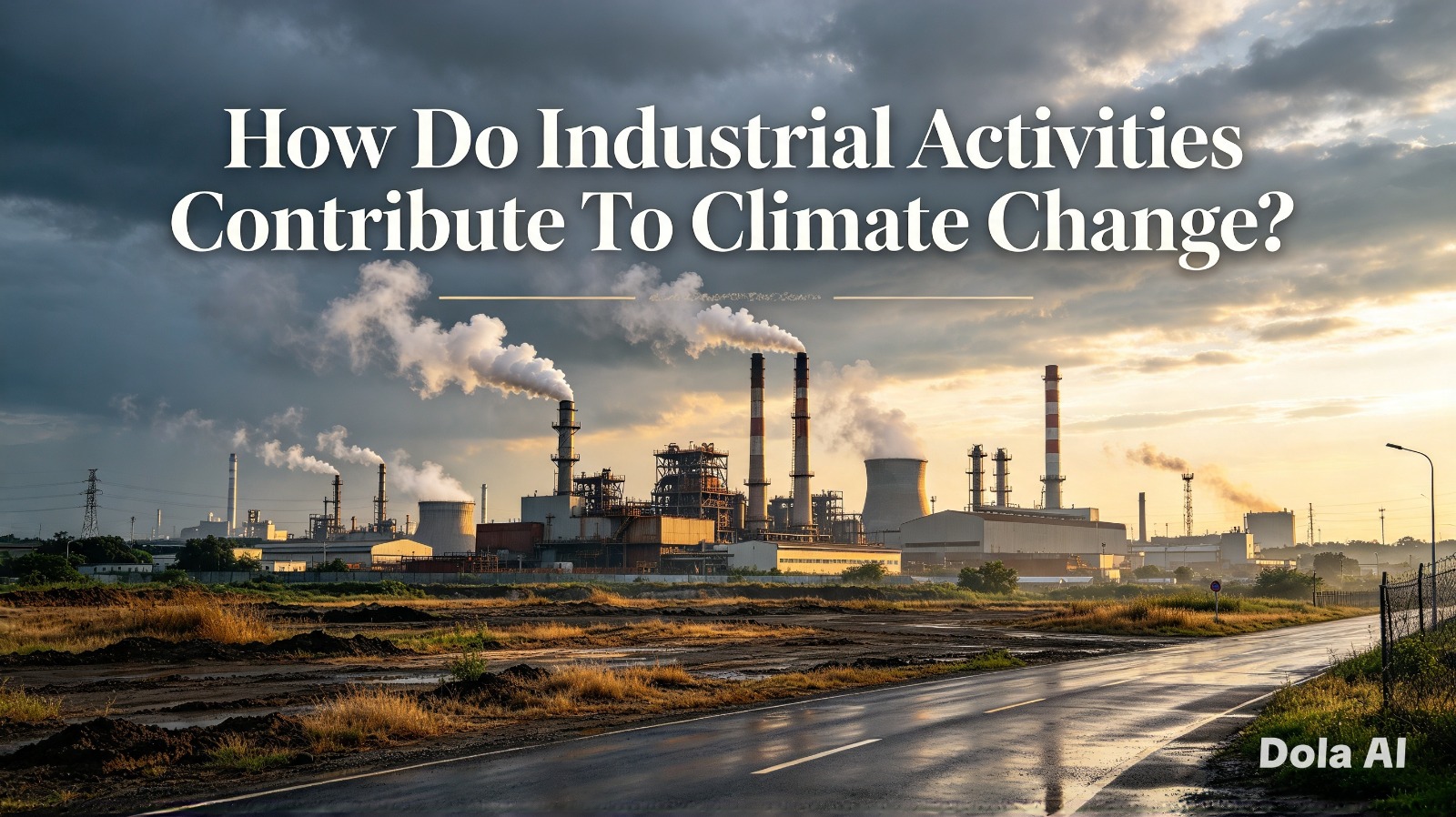
Industrial activities play an important role in modern life by producing goods, building infrastructure, and supporting economic growth. However, many industrial processes also release greenhouse gases that contribute to climate change. Factories, power plants, mining operations, and manufacturing facilities often depend on fossil fuels such as coal, oil, and natural gas. These fuels release carbon dioxide when burned, trapping heat in the atmosphere and increasing global temperatures. Understanding how industrial activities affect the climate is essential for developing cleaner production methods and protecting the environment.
BURNING FOSSIL FUELS IN INDUSTRIES
One of the main ways industrial activities contribute to climate change is through the burning of fossil fuels. Many factories use coal, oil, or natural gas to generate the heat and electricity needed for production. When these fuels are burned, they release carbon dioxide, a major greenhouse gas that traps heat in the atmosphere. Industries such as steel, cement, and chemical manufacturing often require large amounts of energy, resulting in significant emissions. Reducing fossil fuel consumption through energy efficiency and renewable energy can help lower industrial greenhouse gas emissions.
GREENHOUSE GAS EMISSIONS FROM MANUFACTURING
Manufacturing processes release greenhouse gases through both energy use and chemical reactions. For example, cement production releases carbon dioxide when limestone is heated to produce clinker, an essential ingredient in cement. Steel production can also generate substantial emissions, particularly when coal is used in traditional production methods. Certain chemical industries release additional greenhouse gases, including gases with a much stronger warming effect than carbon dioxide. Improving production technology, using lower-carbon materials, and adopting cleaner industrial processes can reduce these emissions.
DEFORESTATION AND INDUSTRIAL LAND USE
Some industrial activities contribute to climate change by changing how land is used. Mining, logging, infrastructure development, and the expansion of industrial agriculture can lead to deforestation and the loss of natural habitats. Trees absorb carbon dioxide during photosynthesis, so removing forests reduces the amount of carbon that can be captured from the atmosphere. When trees are burned or left to decay, they also release stored carbon. Protecting forests, restoring damaged land, and planning industrial development responsibly can help reduce these impacts.
INDUSTRIAL WASTE AND POLLUTION
Industrial waste can contribute to climate change when it is not managed properly. Organic waste sent to landfills can produce methane as it decomposes without sufficient oxygen, and methane is a powerful greenhouse gas. Some industrial facilities also release gases during wastewater treatment, chemical processing, and the handling of fuels. In addition, producing and transporting raw materials requires energy, which can increase emissions throughout the industrial supply chain. Recycling materials, reducing waste, and improving waste treatment systems can help limit these environmental impacts.
THE ROLE OF INDUSTRIAL TRANSPORTATION
Industrial activities depend on transportation to move raw materials, machinery, and finished products. Trucks, ships, trains, and airplanes may burn fossil fuels, releasing carbon dioxide and other pollutants. Long supply chains can increase emissions when goods travel across large distances or require repeated transportation between production facilities. Heavy industries also need specialized vehicles and equipment that consume substantial amounts of energy. Improving transport efficiency, using lower-emission vehicles, and sourcing materials more responsibly can reduce emissions associated with industrial supply chains.
HOW INDUSTRIES CAN REDUCE CLIMATE CHANGE
Industries can help address climate change by adopting cleaner technologies and improving the way they use energy. Switching from fossil fuels to renewable electricity, such as solar and wind power, can reduce emissions from industrial operations. Companies can also install energy-efficient equipment, reuse waste heat, and redesign products to require fewer raw materials. For industries that are difficult to decarbonize, such as cement and steel, solutions may include alternative production methods and carefully applied carbon capture technologies. Governments can support these changes through clear environmental standards, financial incentives, and investment in clean infrastructure. Cooperation between businesses, governments, researchers, and communities is important for achieving long-term emission reductions.
WHY INDUSTRIAL CLIMATE ACTION MATTERS
Reducing industrial emissions is essential because greenhouse gases remain in the atmosphere and contribute to long-term warming. Climate change can increase the risks of heatwaves, extreme rainfall, droughts, rising sea levels, and damage to ecosystems. These effects can disrupt supply chains, threaten workers' health, and increase operating costs for businesses. Taking climate action can also create opportunities for innovation, cleaner production, and new employment in sustainable industries. Building a low-carbon industrial sector can support economic development while reducing environmental damage. Although industrial transformation requires investment and planning, the long-term benefits can include a healthier environment and a more resilient economy.
CONCLUSION
Industrial activities contribute to climate change mainly through fossil fuel consumption, manufacturing emissions, deforestation, waste generation, and transportation. These activities release greenhouse gases that trap heat and increase global temperatures. However, industries can reduce their impact by adopting renewable energy, improving energy efficiency, minimizing waste, and using cleaner production methods. Governments and businesses must work together to make these changes practical and affordable. Sustainable industrial development is an important step toward reducing climate change and protecting the planet for future generations.
Recent Posts

Bagaimana Sistem SKS pada Program Kuliah... 22.11.2026/49 View

How Does Technology Make Daily Evaluation... 21.11.2026/77 View

Apa Strategi Menghadapi Kesenjangan antara Kompetensi... 21.11.2026/78 View

Mengapa Inventaris Aset Penting bagi Kelancaran... 21.11.2026/74 View

When Should Musicians Join a Record... 21.11.2026/79 View
