

How Do Local Traditions Shape Community Identity?
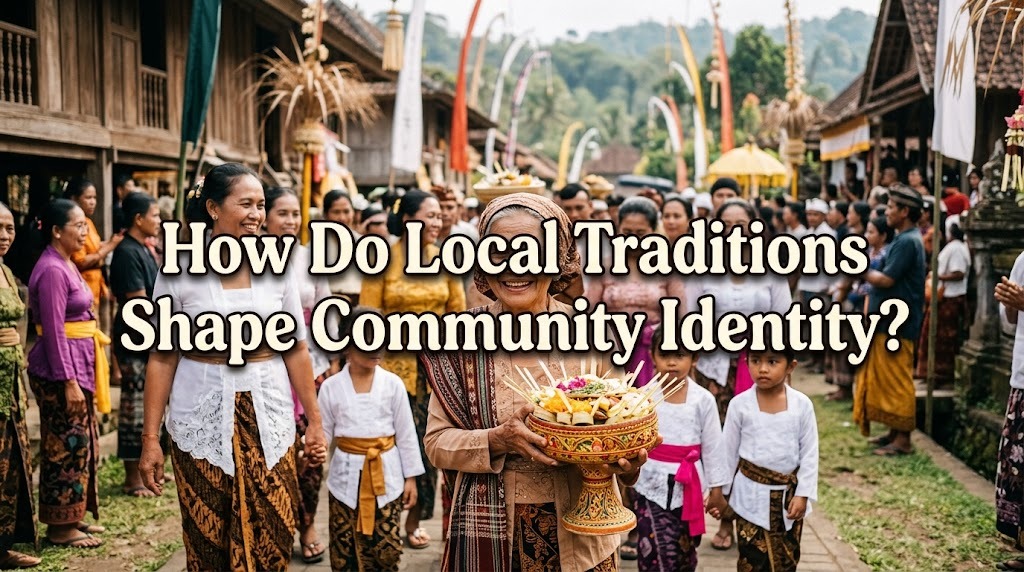
Local traditions play an important role in shaping community identity by connecting people with their history, values, and shared experiences. These traditions include traditional ceremonies, regional languages, local food, clothing, music, dances, and customary practices passed down through generations. They help people understand where they come from and what makes their community unique.
In Indonesia, local traditions reflect the country's rich cultural diversity. Each region has distinctive customs that influence how people celebrate important events, communicate with others, and maintain relationships. By practicing and preserving these traditions, communities can strengthen their sense of belonging while passing valuable cultural knowledge to future generations.
WHAT ARE LOCAL TRADITIONS?
Local traditions are customs, beliefs, skills, and cultural practices that develop within a particular community and are passed from one generation to another. They may include religious ceremonies, traditional games, folk stories, regional dances, and methods of preparing local dishes. Some traditions have existed for centuries, while others have developed through changes in community life. Together, they reflect the history and experiences of the people who practice them.
In Indonesia, examples include the Ngaben ceremony in Bali, the Sekaten celebration in Yogyakarta, and the traditional Rambu Solo funeral ceremony among the Toraja people. Each tradition has its own meaning and reflects particular cultural or religious values. Local traditions can also vary between villages within the same region. This diversity makes them an important part of Indonesia's cultural identity.
LOCAL TRADITIONS CREATE A SENSE OF BELONGING
Local traditions help people feel connected to their community because they provide shared experiences and familiar cultural practices. Participating in traditional celebrations, ceremonies, and community activities allows people to interact and develop stronger relationships. These experiences can create emotional connections with their hometown and the people around them. As a result, individuals may feel that they are part of something larger than themselves.
For example, community members who gather for annual cultural festivals often work together to prepare food, decorate public spaces, organize performances, and welcome visitors. These activities encourage cooperation and create opportunities for people of different ages to interact. Even people who have moved away from their hometown may maintain a connection to their cultural roots by participating in traditional celebrations. In this way, local traditions help preserve a shared sense of belonging.
LOCAL TRADITIONS PRESERVE CULTURAL VALUES
Every community has values that influence how its members behave and interact with others. Local traditions can communicate values such as respect for elders, cooperation, honesty, gratitude, and responsibility. These values are often taught through stories, ceremonies, customary rules, and everyday activities. By participating in these practices, younger generations learn the principles that their community considers important.
For example, some Indonesian communities maintain traditions of mutual assistance, commonly associated with the concept of gotong royong. Community members may work together to prepare celebrations, help neighbors, or support families experiencing difficulties. Such activities demonstrate the importance of cooperation and social responsibility. Although cultural values may evolve over time, traditions can provide a foundation for maintaining positive relationships within a community.
LOCAL LANGUAGES STRENGTHEN COMMUNITY IDENTITY
Language is an important part of community identity because it carries local history, expressions, humor, and cultural knowledge. Regional languages often contain words and expressions that reflect the experiences and environment of the people who speak them. They are also used in traditional songs, oral stories, ceremonies, and everyday conversations. Using a local language can strengthen emotional connections between community members.
Indonesia has hundreds of regional languages, including Javanese, Sundanese, Balinese, and Minangkabau. These languages help distinguish communities while contributing to the country's broader cultural diversity. When younger generations learn their regional language, they gain access to traditional expressions and knowledge that may not be fully conveyed through another language. Preserving regional languages therefore supports both cultural continuity and community identity.
TRADITIONAL FOOD AND CLOTHING REPRESENT CULTURAL HERITAGE
Traditional food and clothing are visible expressions of community identity. Regional dishes often reflect local ingredients, historical trade, religious practices, and cooking methods developed over many generations. Traditional clothing may communicate cultural symbolism, social roles, or the significance of particular ceremonies. These cultural expressions allow communities to maintain recognizable features that distinguish them from others.
For example, rendang is closely associated with Minangkabau culinary traditions, while ulos textiles hold cultural significance among Batak communities in North Sumatra. Batik is another important Indonesian cultural expression, with different regions developing distinctive patterns and styles. These foods, textiles, and clothing traditions are often shared during family gatherings, weddings, festivals, and other important occasions. Their continued use helps keep cultural knowledge alive while introducing local identity to people from other backgrounds.
LOCAL TRADITIONS CONNECT GENERATIONS
Local traditions provide opportunities for older and younger generations to share knowledge and experiences. Elders often teach younger community members traditional crafts, songs, dances, cooking techniques, and customary practices. Through these interactions, younger people learn not only how to perform a tradition but also why it matters. This process helps maintain cultural continuity as communities change over time.
For instance, experienced artisans may teach younger people how to weave textiles, carve wood, or create traditional musical instruments. Families may also pass down stories about ancestors, local history, and the origins of community celebrations. These learning experiences can strengthen relationships between generations and encourage respect for older community members. Without opportunities for knowledge-sharing, some traditions may gradually disappear as experienced practitioners become fewer.
LOCAL TRADITIONS STRENGTHEN SOCIAL COOPERATION
Many local traditions require people to work together, making them valuable for building cooperation and trust. Preparing a traditional ceremony or organizing a community festival often involves contributions from families, local leaders, artists, and volunteers. These shared responsibilities encourage communication and help people develop a stronger understanding of one another. They can also create opportunities for neighbors to solve problems collectively.
In Indonesia, gotong royong is a familiar example of cooperation that can be practiced through community activities. Residents may help prepare cultural events, maintain shared spaces, or assist families during important occasions. Such activities reinforce social connections and remind community members that they have responsibilities toward one another. When practiced inclusively, local traditions can help communities become more supportive and resilient.
LOCAL TRADITIONS HELP COMMUNITIES FACE MODERN CHANGES
Modernization, migration, technology, and globalization can influence how communities maintain their cultural identity. Younger people may adopt new lifestyles, while traditional activities receive less attention because of changing work and education schedules. Some regional languages and cultural skills may become less common when opportunities to practice them decline. These changes can create difficulties for communities that want to preserve their traditions.
However, local traditions do not always need to remain exactly the same to survive. Communities can use digital platforms to share traditional music, record oral histories, promote local crafts, and teach younger audiences about cultural practices. Schools and community organizations can also combine traditional learning with modern educational methods. The important goal is to preserve the meaning and cultural knowledge of traditions while allowing communities to adapt in ways they consider appropriate.
HOW CAN COMMUNITIES PRESERVE LOCAL TRADITIONS?
Communities can preserve local traditions by including cultural activities in everyday life and creating opportunities for younger generations to participate. Families can teach regional languages, traditional recipes, folk stories, and customary practices at home. Schools can introduce students to local history and invite cultural practitioners to demonstrate traditional skills. Community festivals and workshops can also help people learn directly from experienced members of their community.
Governments and cultural organizations can support these efforts through funding, documentation, heritage protection, and educational programs. Digital recordings and archives can preserve information about traditional performances, crafts, and oral histories for future generations. At the same time, preservation should respect the rights, knowledge, and preferences of the communities involved. When community members actively participate in protecting their heritage, local traditions are more likely to remain meaningful and relevant.
CONCLUSION
Local traditions shape community identity by creating a sense of belonging, preserving cultural values, strengthening regional languages, and connecting generations. They also encourage social cooperation and provide recognizable expressions of a community's history through food, clothing, ceremonies, music, and traditional arts. In Indonesia, these traditions demonstrate how different communities maintain their unique identities while contributing to the country's cultural diversity.
Preserving local traditions requires participation from families, schools, community leaders, cultural practitioners, and government institutions. Through education, cultural activities, and responsible use of technology, communities can pass their heritage to future generations. By understanding and respecting local traditions, people can strengthen their cultural identity while remaining open to positive changes in modern society.
Recent Posts

Bagaimana Sistem SKS pada Program Kuliah... 22.11.2026/48 View

How Does Technology Make Daily Evaluation... 21.11.2026/76 View

Apa Strategi Menghadapi Kesenjangan antara Kompetensi... 21.11.2026/78 View

Mengapa Inventaris Aset Penting bagi Kelancaran... 21.11.2026/73 View

When Should Musicians Join a Record... 21.11.2026/78 View
