

How Do Material Shortages Affect Production Schedules?
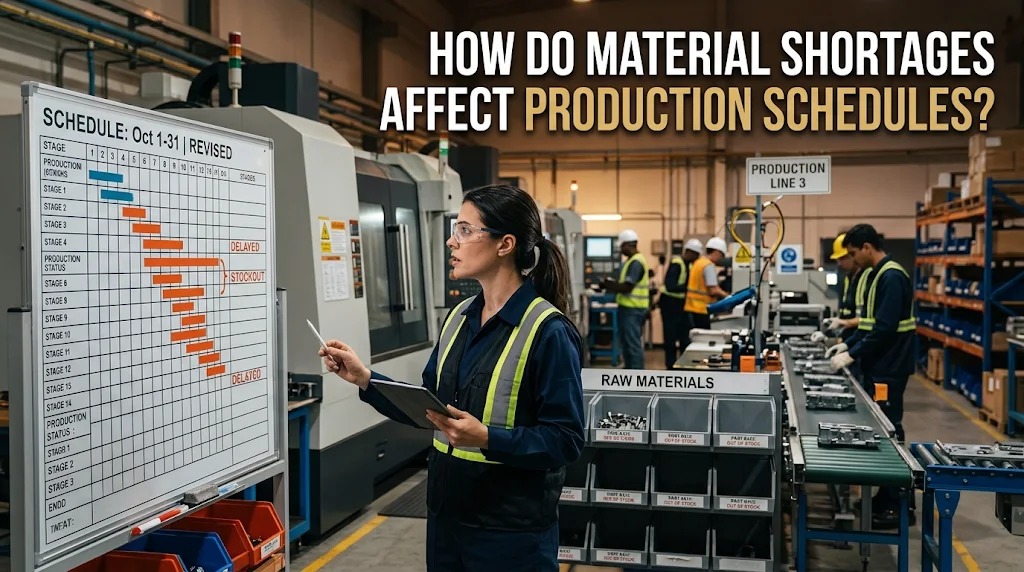
Material availability is an important factor in maintaining smooth manufacturing operations. Production schedules are designed based on the availability of raw materials, equipment, employees, and other resources needed to complete manufacturing activities. When materials are unavailable or delivered late, production staff may struggle to maintain the planned workflow. Material shortages can cause delays, increase operational costs, reduce productivity, and affect customer satisfaction. Understanding these effects helps companies prepare better strategies for managing their resources.
CAUSING PRODUCTION DELAYS
One of the most direct effects of material shortages is a delay in production activities. Manufacturing processes often depend on specific raw materials or components, meaning that work cannot continue properly when essential supplies are unavailable. Even a shortage of one important component can interrupt several stages of production. As a result, companies may fail to complete products according to the original schedule.
Production staff must identify material shortages as early as possible to reduce their impact. They should communicate with warehouse and purchasing departments to check stock availability and expected delivery dates. If materials cannot arrive on time, supervisors may need to adjust production schedules. Early coordination helps companies manage delays and prevent unnecessary interruptions.
REDUCING DAILY PRODUCTION OUTPUT
Material shortages can reduce the number of products manufactured within a specific working period. When employees do not have enough materials, machines and workers may remain unused while waiting for supplies. This situation lowers production capacity and makes it more difficult to achieve daily output targets. Repeated shortages can also affect the company's ability to maintain consistent production performance.
Production staff should monitor material consumption and compare available stock with production requirements. Accurate inventory information helps employees identify whether supplies are sufficient for upcoming activities. They can also report unusual increases in material usage to supervisors. Proper monitoring allows companies to respond before shortages significantly reduce production output.
DISRUPTING PRODUCTION SCHEDULES
Production schedules are prepared to organize manufacturing activities in a specific order and timeframe. Material shortages can disrupt this arrangement because certain production tasks cannot begin until the necessary supplies are available. When one activity is delayed, other tasks that depend on it may also be affected. This can create a chain reaction that changes the entire production schedule.
To manage these disruptions, production staff may need to reorganize tasks based on material availability. They can coordinate with supervisors to determine whether other products or manufacturing activities can be completed first. However, schedule adjustments must consider machine capacity, workforce availability, and customer deadlines. Flexible planning helps companies maintain productivity while waiting for missing materials.
INCREASING OPERATIONAL COSTS
Material shortages can increase manufacturing expenses in several ways. Companies may need to purchase supplies from alternative suppliers at higher prices or pay additional transportation costs to receive materials faster. Production delays can also increase labor expenses when employees remain available but cannot complete their assigned tasks. These additional costs may reduce the company's overall profitability.
Another financial impact occurs when companies need to rearrange production activities or pay for urgent deliveries. Poor inventory planning can make these expenses more frequent and difficult to control. Production staff should provide accurate information about material requirements and stock levels to support better purchasing decisions. Effective resource management can reduce unnecessary expenses and improve cost efficiency.
AFFECTING PRODUCT QUALITY
Material shortages may sometimes encourage companies to use alternative materials to keep production activities running. However, replacing materials without proper evaluation can affect product specifications, durability, and performance. Different materials may have different characteristics, meaning they cannot always be used interchangeably. This can create quality problems if the alternatives do not meet established requirements.
Production staff must coordinate with quality control and purchasing departments before any material substitution is made. They should ensure that alternative supplies meet company specifications and applicable quality standards. Incoming materials also need to be inspected before entering the manufacturing process. Maintaining quality requirements is important even when companies face pressure to complete production targets.
CREATING WORKFORCE AND EQUIPMENT INEFFICIENCY
When materials are unavailable, production employees may have difficulty completing their assigned responsibilities. Operators may need to stop machines or wait for supplies, while production staff must reorganize schedules and communicate with other departments. This can create idle working time and reduce the effective use of company resources. Equipment may also remain unused despite being available and ready for operation.
Companies can reduce this problem by coordinating material deliveries with production schedules. Production staff should communicate expected material requirements to warehouse and purchasing teams before manufacturing begins. Supervisors may also reassign employees to other suitable tasks when shortages occur. These actions help minimize wasted time and maintain a more efficient working environment.
AFFECTING CUSTOMER DELIVERY DEADLINES
Material shortages can prevent companies from completing orders according to agreed delivery dates. When production is delayed, finished products may not be ready for packaging, distribution, or shipment on time. This can create problems for customers who depend on products arriving according to their schedules. Repeated delays may also reduce customer trust and damage business relationships.
Production staff should monitor order progress and communicate potential delays to supervisors. Companies may need to coordinate with suppliers, adjust production priorities, or provide updated delivery information to customers. Accurate planning helps businesses manage expectations and reduce the impact of supply interruptions. Maintaining reliable delivery schedules is important for long-term customer satisfaction.
PREVENTING MATERIAL SHORTAGES THROUGH INVENTORY PLANNING
Effective inventory planning is one of the best ways to reduce the risk of material shortages. Companies should monitor stock levels, estimate future material requirements, and establish appropriate reorder points. These practices help ensure that necessary supplies are available before production activities begin. Accurate inventory records also make it easier to identify unusual material consumption.
Production staff can support inventory planning by sharing production forecasts and reporting material usage regularly. They should coordinate with warehouse and purchasing departments to ensure that orders are placed at the right time. Companies may also maintain safety stock for essential materials to handle unexpected increases in demand or supplier delays. Good inventory management helps maintain production continuity and reduces operational risks.
CONCLUSION
Material shortages affect production schedules by causing delays, reducing output, disrupting workflows, and increasing operational costs. They can also affect product quality, workforce efficiency, and customer delivery deadlines. Production staff play an important role in monitoring material availability and coordinating with warehouse, purchasing, and quality control departments. Through accurate inventory planning and effective communication, companies can reduce supply interruptions and maintain more reliable manufacturing operations.
Recent Posts

How Does Technology Make Daily Evaluation... 21.11.2026/56 View

Apa Strategi Menghadapi Kesenjangan antara Kompetensi... 21.11.2026/58 View

Mengapa Inventaris Aset Penting bagi Kelancaran... 21.11.2026/52 View

When Should Musicians Join a Record... 21.11.2026/53 View

Daily Evaluation or Daily Planning Which... 21.11.2026/60 View
