

How Do Membership Cards Improve Organizational Administration?
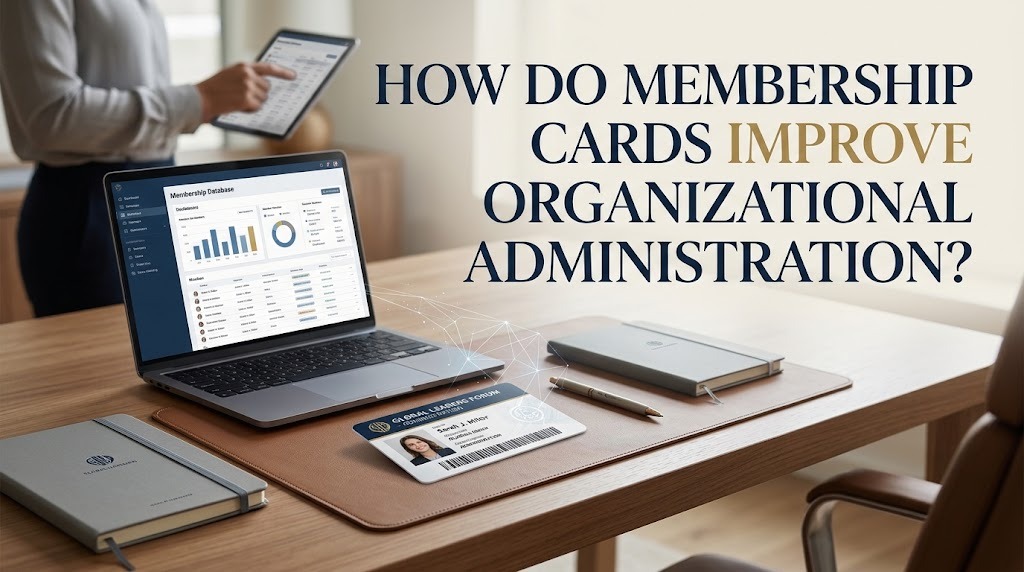
Membership cards play an important role in helping organizations manage their members effectively. They are more than identification tools because they also support data collection, membership verification, communication, and administrative activities. Whether used by educational institutions, professional associations, communities, or other organizations, membership cards can make administrative processes more organized and efficient.
As organizations grow, managing member information manually can become increasingly difficult. A well-designed membership card system helps administrators identify members, maintain accurate records, and provide better services. Understanding how membership cards improve organizational administration can help organizations develop more professional and reliable management systems.
MAKING MEMBER IDENTIFICATION EASIER
Membership cards help administrators identify members quickly and accurately. Each card usually contains essential information, such as the member's name, membership number, organization name, and photograph. These details make it easier to distinguish registered members from visitors or individuals who are not officially affiliated with the organization.
A membership card also reduces confusion during administrative activities. For example, administrators can use membership numbers to identify individuals without relying only on names, which may be similar. This system is particularly useful for organizations with many members. Clear identification supports smoother administration and reduces the possibility of recording errors.
IMPROVING MEMBERSHIP DATA MANAGEMENT
Membership cards can support better member data management by connecting each card to an organized membership database. Administrators can use the membership number as a reference when storing or retrieving personal information. This makes it easier to update records, check membership status, and review important details.
An organized database also helps organizations maintain consistent information. Instead of searching through separate documents, administrators can access member records through a centralized system. However, the information printed on the card should match the organization's official records. Accurate membership data is essential for reliable administrative decisions and efficient organizational management.
SIMPLIFYING ADMINISTRATIVE PROCEDURES
Membership cards can make various administrative procedures more practical. Members may be asked to present their cards when registering for activities, attending meetings, borrowing organizational facilities, or accessing specific services. This reduces the need for repeated manual identification and helps administrators complete their tasks more efficiently.
A standardized card system also creates consistent procedures across different departments. Staff members can follow the same identification process when serving members. As a result, administrative activities become easier to coordinate and monitor. Organizations can save time, reduce unnecessary paperwork, and improve the overall quality of their services.
SUPPORTING MEMBERSHIP MONITORING
Organizations need to monitor their membership records to understand how many active members they have and whether their information remains valid. Membership cards can support this process by displaying membership numbers, expiration dates, or membership categories when necessary. Administrators can use these details to check whether a person is still registered and eligible for particular benefits.
Regular monitoring also helps organizations identify records that need attention. For example, administrators can review expired memberships, inactive accounts, or information that requires updating. This allows organizations to maintain more accurate membership records. A properly managed membership system helps prevent administrative problems caused by outdated or incomplete information.
INCREASING SECURITY AND ACCOUNTABILITY
Membership cards can improve organizational security by helping administrators control access to certain facilities, events, or services. Only individuals with valid membership status may be permitted to use specific organizational resources. Some organizations also use photographs, unique identification numbers, barcodes, or QR codes to support verification.
However, membership cards should not be treated as the only security measure. Organizations need additional procedures to protect personal information and prevent unauthorized access. Administrators should establish clear rules for card issuance, replacement, and verification. These measures encourage accountability while protecting both organizational resources and member data.
SUPPORTING DIGITAL AND MODERN ADMINISTRATION
Digital membership cards provide additional opportunities for organizations to improve administrative efficiency. Instead of relying entirely on printed cards, organizations can issue digital versions through mobile applications or other electronic platforms. These cards can make membership information easier to access and update.
Digital systems may also be connected to membership databases, attendance records, payment systems, or event registration platforms. This integration can reduce repetitive administrative work and help administrators process information more quickly. Nevertheless, organizations should consider members who have limited access to smartphones or the internet. Combining digital services with practical alternatives can make modern membership administration more inclusive and effective.
CONCLUSION
Membership cards improve organizational administration by simplifying member identification, supporting accurate data management, and making administrative procedures more efficient. They also help organizations monitor membership status, strengthen security, and develop modern digital services. When supported by reliable databases and clear administrative policies, membership cards can reduce paperwork, minimize errors, and improve organizational accountability. Therefore, providing and managing membership cards properly is an important step toward creating a more organized, professional, and effective organization.
Recent Posts

Bagaimana Sistem SKS pada Program Kuliah... 22.11.2026/48 View

How Does Technology Make Daily Evaluation... 21.11.2026/76 View

Apa Strategi Menghadapi Kesenjangan antara Kompetensi... 21.11.2026/78 View

Mengapa Inventaris Aset Penting bagi Kelancaran... 21.11.2026/73 View

When Should Musicians Join a Record... 21.11.2026/78 View
