

How Do Online Learning Platforms Help Students Access Education Beyond Geographical Boundaries?
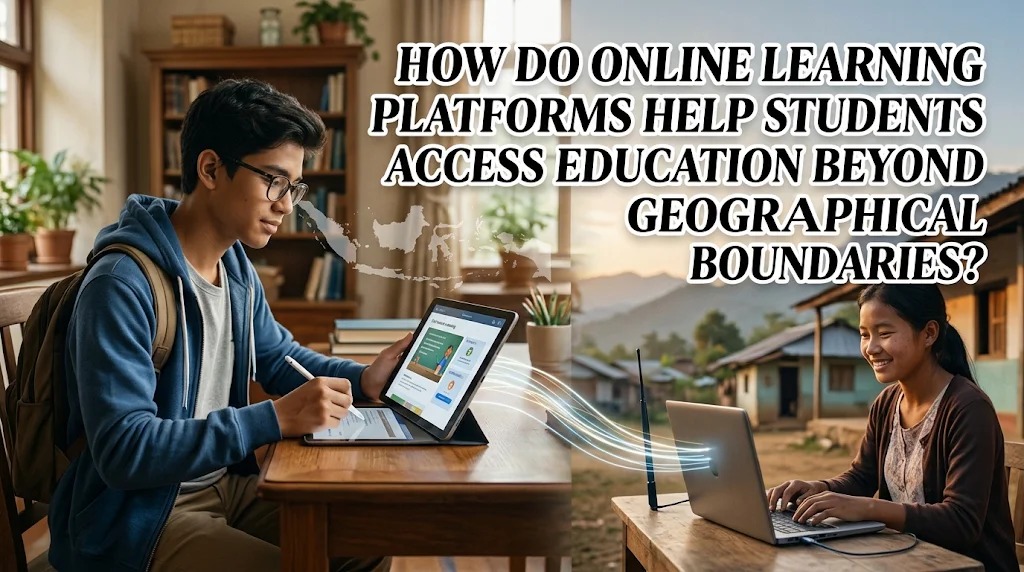
Online learning platforms have changed the way students access education in the modern era. Through internet connections and digital devices, students can participate in learning activities without having to attend a physical classroom. This development creates new opportunities for people who live far from schools, universities, or educational institutions. Students can access learning materials, communicate with teachers, and complete assignments from different locations.
Online learning platforms also help reduce geographical barriers that previously limited educational opportunities. Students living in rural areas, remote villages, or regions with limited educational facilities can access various learning resources through digital technology. They can participate in online classes, watch recorded lessons, and develop new skills without traveling long distances. When supported by reliable internet access and appropriate digital facilities, online learning platforms can make education more flexible, inclusive, and accessible to a wider community.
PROVIDING ACCESS TO EDUCATION FROM DIFFERENT LOCATIONS
One of the main benefits of online learning platforms is the ability to access education regardless of geographical location. Students no longer need to live near a particular school or educational institution to participate in certain learning programs. Through platforms that provide virtual classrooms, digital materials, and online assignments, students can study from their homes or other convenient locations. This is especially helpful for students who live in rural areas or places where educational institutions are difficult to reach. As a result, geographical distance becomes less of an obstacle to obtaining educational information.
Online education also creates opportunities for students to learn from institutions and instructors outside their local communities. For example, students in small towns can participate in online courses offered by universities or educational organizations in major cities. They can explore subjects that may not be available in nearby schools and gain access to broader educational experiences. This opportunity allows students to develop their knowledge without having to relocate. Therefore, geographical accessibility is one of the most important contributions of online learning technology.
OFFERING FLEXIBLE LEARNING SCHEDULES
Online learning platforms provide flexibility in managing study schedules. Unlike traditional classroom activities that generally follow fixed timetables, some online courses allow students to access recorded lessons whenever they have available time. This feature helps students organize their learning activities according to their personal responsibilities and daily routines. For example, students who help their families or participate in other activities can review educational materials after completing their responsibilities. This flexibility makes education more accessible to people with different circumstances.
In addition, recorded learning materials allow students to repeat lessons whenever they need further explanations. They can pause videos, review important information, and study difficult topics at their own pace. This is beneficial for students who require more time to understand particular subjects. However, some online classes still require students to attend live sessions at scheduled times. Therefore, students need to manage their time effectively and maintain self-discipline and learning consistency to achieve their educational goals.
EXPANDING ACCESS TO DIVERSE LEARNING RESOURCES
Online learning platforms provide students with access to various educational materials from different sources. These resources may include electronic books, instructional videos, digital presentations, practice exercises, academic articles, and recorded lectures. Students can explore additional information beyond the materials provided by their teachers. This helps them understand complicated subjects through different explanations and examples. Having access to diverse resources also encourages students to become more curious and independent when developing their knowledge.
Another advantage is the opportunity to learn subjects that may not be available in local educational institutions. Students can participate in online language courses, computer programming classes, business training, and professional development programs. Some platforms also provide courses created by universities, experts, and educational organizations from different countries. This allows students to gain new knowledge and practical skills without geographical restrictions. However, they should choose reliable learning resources and check the credibility of educational providers before following a course.
CONNECTING STUDENTS WITH TEACHERS AND EDUCATIONAL COMMUNITIES
Online learning platforms make communication between students and teachers possible even when they are located in different regions. Through video conferences, discussion forums, messaging features, and virtual classrooms, teachers can explain lessons and answer student questions remotely. Students can also submit assignments, participate in discussions, and receive feedback without meeting teachers in person. These communication features help maintain learning activities even when physical classroom attendance is not possible. Consequently, distance does not necessarily prevent students from receiving educational guidance.
Furthermore, digital platforms allow students to connect with other learners from different geographical and cultural backgrounds. They can participate in group discussions, complete collaborative projects, and exchange knowledge with classmates from other regions. These interactions help develop communication, teamwork, and cultural awareness. Students can also learn to respect different perspectives and understand various social experiences. Through online collaboration and digital communication, education becomes an opportunity to build wider academic connections beyond local communities.
REDUCING EDUCATIONAL COSTS AND SUPPORTING EQUAL OPPORTUNITIES
Online learning can help reduce several expenses associated with traditional education. Students may save money on transportation, accommodation, and printed learning materials because many resources are available digitally. For people who live far from educational institutions, these savings can make a significant difference. Some online platforms also provide free courses and learning materials that allow students to improve their knowledge without paying expensive tuition fees. However, not all online courses are free, and some programs still require registration or subscription payments.
Despite these advantages, online learning does not automatically guarantee equal educational opportunities for everyone. Students who lack internet connections, computers, or smartphones may struggle to participate in digital learning activities. Differences in economic conditions and technological infrastructure can create a digital divide between communities. To address this issue, governments and educational institutions need to improve internet access, provide affordable devices, and develop digital education facilities. Equal access to technology is essential to ensure that students from different backgrounds can benefit from online learning opportunities.
OVERCOMING CHALLENGES IN ONLINE LEARNING
Although online learning platforms offer many benefits, students may experience several challenges when studying remotely. Unstable internet connections, limited digital devices, and technical problems can interrupt learning activities. Some students may also find it difficult to concentrate because they study without direct supervision from teachers. In addition, excessive screen time can cause discomfort and reduce opportunities for physical activities. These challenges show that online education requires proper preparation and support from different parties.
Students can overcome these difficulties by creating regular study schedules, preparing suitable learning spaces, and using digital devices responsibly. Teachers should also provide clear instructions, interactive learning activities, and consistent feedback to maintain student engagement. Educational institutions need to ensure that their platforms are easy to use and provide appropriate technical assistance. Parents can support children by supervising study routines and helping them maintain a healthy balance between online and offline activities. With effective learning strategies, reliable infrastructure, and proper guidance, online education can become a valuable solution for expanding educational access.
CONCLUSION
Online learning platforms help students access education beyond geographical boundaries by providing flexible schedules, diverse learning resources, and opportunities to communicate with teachers and other learners. Students living in remote areas can participate in educational activities without traveling long distances or relocating to major cities. These platforms also support independent learning, reduce certain educational expenses, and create opportunities to develop new skills.
However, successful online learning depends on reliable internet access, suitable digital devices, student discipline, and effective teaching support. Educational institutions and governments must work together to reduce the digital divide and ensure that more communities can benefit from technological developments. By addressing these challenges, online learning platforms can help create a more inclusive educational environment where geographical location does not become a major barrier to obtaining quality education.
Recent Posts

Bagaimana Sistem SKS pada Program Kuliah... 22.11.2026/33 View

How Does Technology Make Daily Evaluation... 21.11.2026/67 View

Apa Strategi Menghadapi Kesenjangan antara Kompetensi... 21.11.2026/67 View

Mengapa Inventaris Aset Penting bagi Kelancaran... 21.11.2026/65 View

When Should Musicians Join a Record... 21.11.2026/66 View
