

How Do Out-Of-Town Business Trips Affect Team Communication And Cooperation?
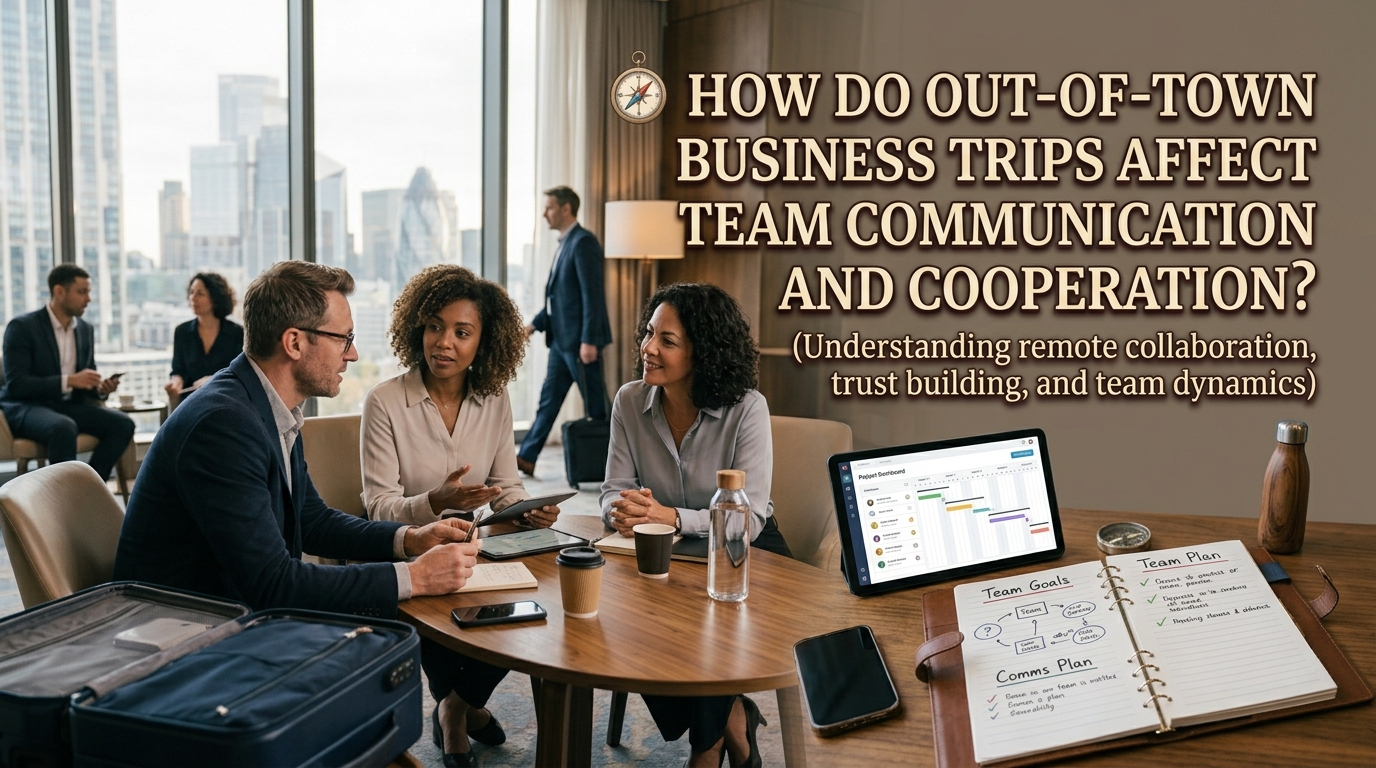
Out-of-town business trips are common in companies that need to meet clients, visit business partners, attend training, or explore new opportunities. These trips can influence how employees communicate and cooperate with their colleagues. Traveling for work may create opportunities to build stronger relationships, share knowledge, and develop new ideas. However, employees who travel can also face communication gaps when they are away from the office. The effect of business trips on teamwork depends on how well employees share information, coordinate tasks, and stay connected with their colleagues.
IMPROVING COMMUNICATION THROUGH FACE-TO-FACE MEETINGS
Out-of-town business trips allow employees to communicate directly with clients, partners, and colleagues from other branches. Face-to-face meetings make it easier to explain ideas, ask questions, and understand different opinions. Employees can also observe body language and facial expressions, which may help prevent misunderstandings. Direct conversations are especially useful when discussing complex problems or negotiating important agreements. Personal interaction can build trust and make professional communication more effective.
Business trips also give employees opportunities to develop communication skills. They may learn how to present ideas clearly, listen carefully, and respond professionally to different situations. These experiences can help them communicate more confidently when they return to the office. Employees can then share useful communication practices with their teams. As a result, the benefits of direct meetings may continue even after the trip has ended.
STRENGTHENING TEAM COOPERATION
Business trips can strengthen cooperation by bringing employees together to work toward shared goals. For example, team members attending a conference or visiting a company branch can discuss challenges and develop solutions together. Working in a different environment may also encourage employees to exchange ideas and understand each other's responsibilities. These interactions can improve relationships between departments or office locations. Stronger professional relationships can make teamwork more effective and support better collaboration.
Employees who travel together may also learn how to divide responsibilities and make decisions as a group. They can practice solving problems, managing schedules, and adapting to unexpected changes. These experiences may help them become more flexible and supportive when working with colleagues. However, cooperation improves only when team members communicate respectfully and contribute to shared tasks. Companies should ensure that the knowledge gained during a trip is shared with employees who could not attend.
CREATING COMMUNICATION GAPS WITH OFFICE TEAMS
Although business trips offer many benefits, they can sometimes make communication more difficult. Employees who are away from the office may miss informal discussions, sudden updates, or important decisions. Differences in schedules and limited internet access can also delay responses. If colleagues do not know when a traveling employee is available, coordinating tasks may become challenging. Poor communication during business trips can lead to misunderstandings, delayed work, and duplicated tasks.
These problems can become more serious when employees fail to provide updates about their activities. Team members may not know the progress of a project or who is responsible for a particular task. To prevent this, employees should inform their colleagues about their schedules and share important information regularly. Companies can also establish clear procedures for urgent messages and decision-making. Good communication planning helps teams continue working smoothly even when some members are away.
USING TECHNOLOGY TO MAINTAIN TEAM CONNECTIONS
Digital technology helps employees remain connected with their teams during out-of-town business trips. Email, messaging applications, video meetings, and shared documents allow workers to exchange updates without being in the same location. Employees can use these tools to report progress, discuss problems, and coordinate upcoming tasks. Shared calendars also help colleagues understand meeting schedules and availability. Technology supports continuous communication and reduces the risk of important information being missed.
However, using too many communication channels can create confusion. Employees may overlook messages when information is spread across different applications. Companies should therefore choose suitable tools and establish clear guidelines for how each tool should be used. For example, urgent matters may require a direct call, while routine updates can be shared through team messaging platforms. Choosing the right communication method helps employees stay informed without creating unnecessary interruptions.
SHARING KNOWLEDGE AND EXPERIENCE AFTER THE TRIP
Out-of-town business trips can provide valuable knowledge that benefits the entire team. Employees may learn about new business practices, customer needs, market trends, or technology during meetings and professional events. Sharing these findings with colleagues helps the company use the information more effectively. Employees can prepare short reports, present key lessons, or discuss useful ideas during team meetings. Sharing knowledge ensures that the benefits of a business trip extend beyond the employees who participate.
Companies should encourage employees to explain how their new knowledge can be applied to current projects. For example, information gathered during a client visit may help a marketing team improve its strategy. Lessons from training sessions may also help colleagues develop new skills. Managers can support this process by providing time for presentations and follow-up discussions. When knowledge is shared consistently, business trips can improve both individual performance and team cooperation.
MAINTAINING PRODUCTIVITY AND TEAM RESPONSIBILITIES
Employees must manage their usual responsibilities while handling activities related to a business trip. Without proper planning, work may accumulate, deadlines may be missed, and colleagues may need to handle unexpected tasks. Before traveling, employees should discuss their responsibilities with their managers and agree on how ongoing work will be managed. Tasks can be reassigned temporarily when necessary, and important deadlines should be communicated clearly. Planning responsibilities in advance helps maintain productivity and prevents unnecessary pressure on other team members.
After returning, employees should update their colleagues about completed assignments and any remaining tasks. They should also review important decisions made during the trip and identify the next steps. Managers can arrange short follow-up meetings to clarify responsibilities and resolve outstanding issues. This process helps the team return to its normal workflow without losing important information. Clear responsibility sharing supports cooperation and keeps projects moving forward.
CONCLUSION
Out-of-town business trips can improve team communication and cooperation by creating opportunities for direct interaction, stronger professional relationships, and knowledge sharing. However, they may also cause communication gaps, delayed responses, and difficulties in coordinating tasks. Successful business travel requires clear communication, effective technology, shared responsibilities, and proper follow-up. When companies plan carefully and encourage employees to exchange information, business trips can strengthen teamwork and contribute to better organizational performance.
Recent Posts

Bagaimana Sistem SKS pada Program Kuliah... 22.11.2026/57 View

How Does Technology Make Daily Evaluation... 21.11.2026/86 View

Apa Strategi Menghadapi Kesenjangan antara Kompetensi... 21.11.2026/84 View

Mengapa Inventaris Aset Penting bagi Kelancaran... 21.11.2026/82 View

When Should Musicians Join a Record... 21.11.2026/86 View
