

How Do Regional Government Owned Enterprises Improve Public Services?
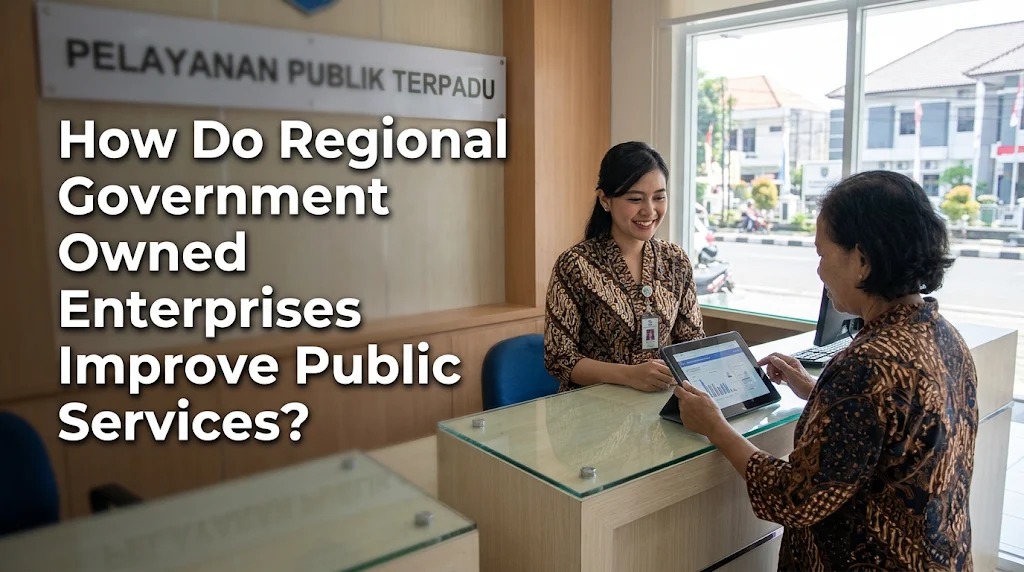
Regional Government-Owned Enterprises, commonly known as BUMD in Indonesia, play an important role in improving the quality of public services. These enterprises are established by regional governments to manage business activities that support community needs and regional development. Their services cover various sectors, including clean water, transportation, banking, energy, and regional infrastructure.
Through professional management and proper resource utilization, BUMD can help local governments provide services that are more accessible, efficient, and reliable. They also support infrastructure development, create employment opportunities, and encourage economic activities within local communities. Their contribution is important because good public services can improve people's quality of life and support sustainable regional development.
PROVIDING ACCESS TO ESSENTIAL PUBLIC SERVICES
One of the main ways Regional Government-Owned Enterprises improve public services is by providing access to essential facilities. Some BUMD manage clean water distribution, public transportation, regional markets, and other services needed by local communities. These facilities help people fulfill their daily needs without depending entirely on private businesses. Reliable public services are particularly important for communities that have limited access to essential infrastructure.
For example, regional water companies provide clean water to households, offices, and public facilities. Transportation enterprises can also help people travel more easily between different locations. By managing these services, BUMD help local governments address community needs and improve the availability of essential facilities. Their activities can also reduce service gaps between different areas within a region.
IMPROVING SERVICE QUALITY AND OPERATIONAL EFFICIENCY
Regional Government-Owned Enterprises can improve public services by applying professional management and more organized operational systems. Each enterprise needs clear service standards, qualified employees, and effective supervision to ensure that its activities meet community expectations. Proper management also helps reduce operational problems and improve the use of available resources. As a result, customers can receive services that are more consistent and reliable.
Operational efficiency can also be improved through better technology and administrative systems. For example, digital payment facilities can make it easier for customers to pay water bills or complete financial transactions. Online customer services can help people submit complaints, access information, and receive assistance more conveniently. These improvements allow BUMD to respond to community needs more quickly while maintaining service quality.
DEVELOPING PUBLIC INFRASTRUCTURE AND FACILITIES
Public infrastructure is another important area supported by Regional Government-Owned Enterprises. Some BUMD are responsible for managing regional markets, transportation terminals, parking facilities, tourism areas, and other public assets. Proper infrastructure management helps create facilities that are safer, more comfortable, and easier to access. It also supports economic activities by providing suitable places for businesses and communities.
Infrastructure development can improve the distribution of goods, transportation access, and regional connectivity. For example, well-managed traditional markets provide facilities for sellers and buyers to conduct economic activities. Similarly, properly maintained transportation terminals help passengers access public transportation more conveniently. Through these responsibilities, BUMD contribute to regional development while helping local governments manage public facilities more effectively.
SUPPORTING AFFORDABLE AND INCLUSIVE SERVICES
Regional Government-Owned Enterprises can also help make public services more affordable and accessible to different groups of society. Unlike businesses that focus exclusively on commercial profits, BUMD are expected to consider regional development objectives and community interests. This means that their operations must balance financial sustainability with the responsibility to provide useful services. Affordable services are particularly important for lower-income households and communities with limited economic opportunities.
For example, regional water companies are expected to provide clean water services according to applicable standards and pricing regulations. Public transportation enterprises can also support affordable mobility for students, workers, and other passengers. Local governments may establish service policies or support mechanisms to improve access for communities that need them. These efforts help create more inclusive public services and reduce barriers to essential facilities.
CREATING EMPLOYMENT AND STRENGTHENING LOCAL ECONOMIC ACTIVITIES
Regional Government-Owned Enterprises improve public services not only through their direct operations but also through their contribution to the local economy. Their business activities require employees in administration, finance, engineering, customer service, transportation, and other professional fields. These employment opportunities can help reduce unemployment and improve household income. A stronger local economy can also increase people's ability to access various services.
In addition, BUMD can cooperate with local entrepreneurs, small businesses, suppliers, and other economic organizations. For example, regional tourism enterprises can work with local food vendors, transportation providers, and accommodation businesses. Such cooperation creates business opportunities and encourages economic activities within the community. When local businesses grow, regional governments can also benefit from increased economic activity and potential regional revenue.
CONCLUSION
Regional Government-Owned Enterprises improve public services by providing essential facilities, increasing operational efficiency, developing infrastructure, and supporting affordable services. They also create employment opportunities and strengthen cooperation with local businesses. These contributions help local governments meet community needs while supporting regional economic development.
However, the success of BUMD depends on professional management, transparent operations, proper supervision, and continuous service improvement. By balancing public responsibilities with financial sustainability, Regional Government-Owned Enterprises can provide more reliable services and contribute to better living standards for local communities.
Recent Posts

Bagaimana Sistem SKS pada Program Kuliah... 22.11.2026/35 View

How Does Technology Make Daily Evaluation... 21.11.2026/69 View

Apa Strategi Menghadapi Kesenjangan antara Kompetensi... 21.11.2026/70 View

Mengapa Inventaris Aset Penting bagi Kelancaran... 21.11.2026/67 View

When Should Musicians Join a Record... 21.11.2026/69 View
