

How Do Regional Government Owned Enterprises Increase Regional Revenue?
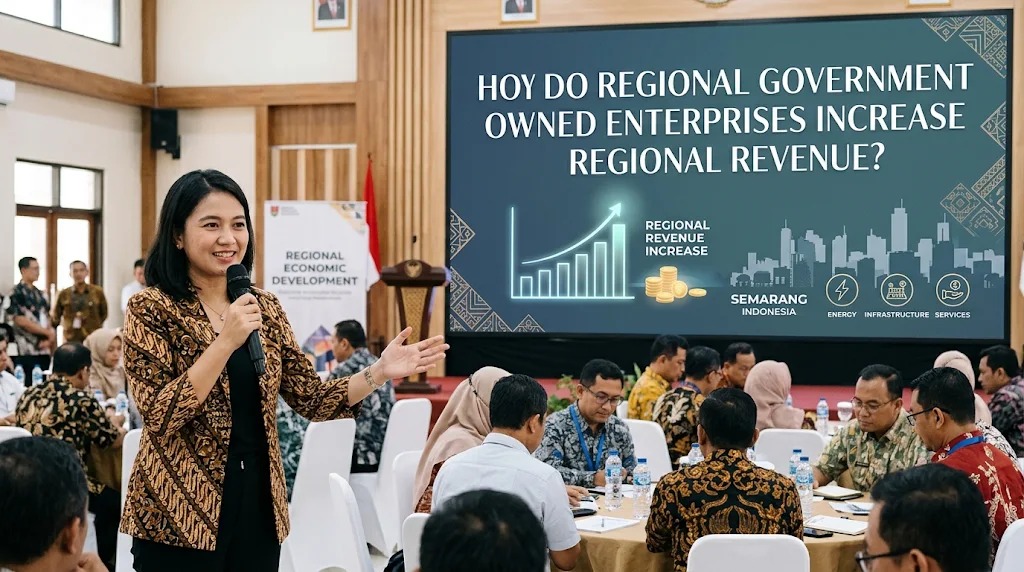
Regional Government Owned Enterprises (BUMD) play an important role in supporting local economic development and increasing regional revenue. These enterprises are established and owned by regional governments to manage business activities, provide public services, and utilize local economic resources. Their operations can generate profits that contribute to Regional Original Revenue (Pendapatan Asli Daerah or PAD).
Beyond generating profits, BUMD also help create employment opportunities, support local businesses, and improve access to essential services. When managed effectively, they can become valuable sources of income for regional governments while strengthening the local economy. Understanding how these enterprises operate helps explain their contribution to regional financial independence and sustainable development.
UNDERSTANDING THE ROLE OF REGIONAL GOVERNMENT OWNED ENTERPRISES
Regional Government Owned Enterprises are business entities whose capital is wholly or partly owned by regional governments. In Indonesia, BUMD are established to support regional economic growth, provide public benefits, and generate business income. Their activities may include banking, water supply, transportation, energy, and other sectors that meet local needs.
BUMD generally operate through two main forms: regional public companies (Perusahaan Umum Daerah or Perumda) and regional limited liability companies (Perusahaan Perseroan Daerah or Perseroda). Perumda focuses on public benefits while also pursuing business efficiency, whereas Perseroda operates as a limited liability company with regional government ownership of its shares. Both forms can contribute to regional revenue through their business activities and financial performance.
GENERATING PROFITS THAT CONTRIBUTE TO REGIONAL REVENUE
One of the main ways BUMD increase regional revenue is by generating profits from their business operations. These enterprises provide products and services to customers and earn income through transactions, service fees, and other business activities. If their revenue exceeds operational expenses and other financial obligations, they can generate profits that strengthen their financial position.
Part of the profits may be distributed to regional governments as dividends or transferred earnings, depending on the company's legal form, ownership structure, and applicable regulations. These payments become an important source of Regional Original Revenue (PAD). For example, a profitable regional bank can contribute dividends to its regional government shareholders. The greater the company's efficiency and financial performance, the greater its potential contribution to regional income.
OPTIMIZING LOCAL ECONOMIC RESOURCES AND BUSINESS OPPORTUNITIES
BUMD can increase regional revenue by managing local economic resources and developing business opportunities within their regions. Every area has different economic potential, such as agriculture, tourism, trade, transportation, and natural resources. Through appropriate business management, BUMD can turn these opportunities into productive activities that generate income.
For example, a regional enterprise may manage a local market, support agricultural distribution, develop tourism facilities, or provide transportation services. These activities can create additional economic value while responding to the needs of local communities. Effective resource management also helps prevent valuable regional assets from remaining underutilized. As local business activities grow, BUMD may generate higher profits and provide greater financial contributions to regional governments.
SUPPORTING LOCAL BUSINESSES AND CREATING EMPLOYMENT OPPORTUNITIES
Regional Government Owned Enterprises can strengthen the local economy by working with small businesses, suppliers, and other regional economic participants. They may provide access to financing, distribution networks, business facilities, and essential services. These forms of support can help local businesses improve their productivity and reach wider markets.
BUMD also create employment opportunities by recruiting workers for their operational and administrative activities. When local businesses grow and employment increases, household income and purchasing power may also improve. This economic activity can indirectly increase regional revenue through applicable taxes, levies, and other lawful local revenue sources. Although these contributions are not all direct income for BUMD, they help create a stronger regional economic environment.
IMPROVING BUSINESS MANAGEMENT AND FINANCIAL EFFICIENCY
The ability of BUMD to increase regional revenue depends heavily on effective management and financial performance. Poor planning, inefficient operations, excessive costs, and weak supervision can reduce profits and create financial risks. Therefore, BUMD need professional management, transparent financial reporting, clear business strategies, and regular performance evaluations.
Digital technology can also improve their operational efficiency and service quality. For example, digital payment systems, accurate financial records, and integrated customer services can reduce administrative costs and improve business performance. In addition, proper risk management and responsible investment decisions help protect company assets. With stronger governance and sustainable business strategies, BUMD can improve profitability and provide more consistent contributions to regional revenue.
CONCLUSION
Regional Government Owned Enterprises increase regional revenue through business profits, dividend distributions, local resource management, and activities that support regional economic growth. They also contribute indirectly by creating employment opportunities, supporting local businesses, and encouraging economic activity.
However, their contribution depends on professional management, financial transparency, operational efficiency, and responsible business development. By improving these aspects, BUMD can become more productive and financially sustainable enterprises. Their success can help regional governments strengthen Regional Original Revenue, reduce financial dependence on central government transfers, and support long-term local development.
Recent Posts

Bagaimana Sistem SKS pada Program Kuliah... 22.11.2026/35 View

How Does Technology Make Daily Evaluation... 21.11.2026/69 View

Apa Strategi Menghadapi Kesenjangan antara Kompetensi... 21.11.2026/70 View

Mengapa Inventaris Aset Penting bagi Kelancaran... 21.11.2026/67 View

When Should Musicians Join a Record... 21.11.2026/69 View
