

How Do Regional Government Owned Enterprises Support Local Economic Growth?
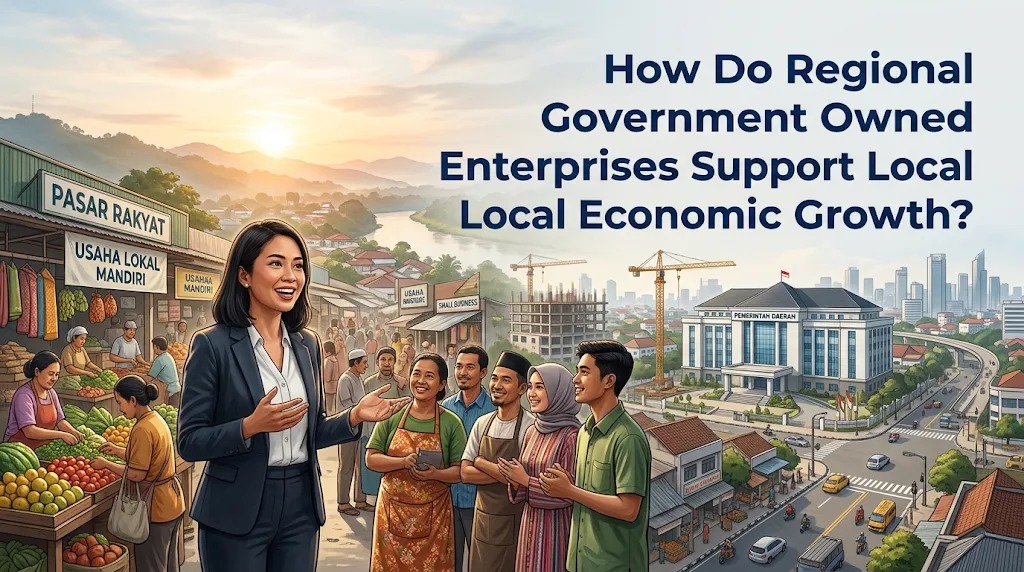
Regional Government Owned Enterprises (RGOEs) play an important role in supporting economic development at the local level. These businesses are established and owned by regional governments to provide essential services, manage local economic resources, and generate additional regional revenue. Their activities can cover various sectors, including water supply, transportation, banking, energy, and regional tourism. Through these operations, RGOEs help create employment opportunities, improve public services, and encourage business activities within their regions. Their contribution is not limited to generating profits because they also have responsibilities to support public welfare and improve the quality of life of local communities.
CREATING EMPLOYMENT OPPORTUNITIES FOR LOCAL COMMUNITIES
One of the main ways Regional Government Owned Enterprises support local economic growth is by creating employment opportunities. These enterprises require employees to manage daily operations, provide services, handle administration, and develop business activities. By recruiting workers from surrounding communities, they can help reduce local unemployment and provide people with more stable sources of income. Employment opportunities also allow workers to develop professional skills and gain valuable experience. As a result, local households can have greater purchasing power and contribute to economic activities in their regions.
The economic benefits can also extend beyond the employees themselves. When an RGOE expands its operations, it may need suppliers, distributors, maintenance services, and other business partners. These needs create opportunities for local businesses to become part of its supply chain. For example, a regional transportation company may work with local vehicle maintenance providers and other service businesses. This relationship helps circulate money within the local economy and supports the growth of different economic sectors.
INCREASING REGIONAL REVENUE AND ECONOMIC INDEPENDENCE
Regional Government Owned Enterprises can also support local economic development by generating revenue for regional governments. Profitable enterprises may contribute to Regional Original Revenue, commonly known as Pendapatan Asli Daerah or PAD in Indonesia. One important form of contribution is the distribution of profits to regional governments through dividends, depending on the ownership structure and applicable regulations. These funds can help strengthen regional financial capacity and support public development programs. This allows local governments to have additional financial resources beyond transfers from the central government.
However, increasing regional revenue requires effective business management and responsible financial planning. Enterprises need to provide competitive services, manage operational costs, and maintain customer trust. Poor management, excessive expenses, or weak business strategies can reduce profitability and create financial risks. Therefore, professional management and transparent financial reporting are important for maintaining their contribution to regional development. When managed properly, RGOEs can become valuable economic assets that support greater regional financial independence.
SUPPORTING LOCAL BUSINESSES AND SMALL ENTERPRISES
Regional Government Owned Enterprises can encourage the development of Micro, Small, and Medium Enterprises (MSMEs) by providing access to business services, infrastructure, and economic opportunities. Some regional enterprises operate in banking and financial services, allowing eligible small business owners to access financing for their activities. Others may support local businesses through partnerships, distribution networks, and business development programs. These forms of cooperation can help entrepreneurs improve their production capacity and reach more customers. Stronger local businesses can contribute to employment creation and increase economic activity across different communities.
Partnerships between RGOEs and MSMEs can also strengthen local supply chains. For example, a regional tourism enterprise may cooperate with local food producers, transportation providers, craft businesses, and accommodation services. These partnerships allow small businesses to benefit from tourism activities while helping enterprises obtain local products and services. In addition, local suppliers can gain experience in meeting business standards and improving product quality. This cooperation creates economic relationships that benefit both regional enterprises and independent business owners.
IMPROVING PUBLIC SERVICES AND ECONOMIC INFRASTRUCTURE
Another important contribution of Regional Government Owned Enterprises is improving access to essential public services. Some enterprises are responsible for providing drinking water, public transportation, waste management, and other services needed by local communities. Reliable public services help residents carry out their daily activities and allow businesses to operate more efficiently. For example, a dependable water supply is important for households, restaurants, manufacturing activities, and other commercial operations. Better service quality can therefore improve the overall business environment and support regional productivity.
Infrastructure development also helps connect communities with economic opportunities. Regional transportation services can make it easier for people to travel, distribute products, and access markets. Meanwhile, regional enterprises involved in energy and other essential services can help support business operations by improving access to necessary resources. These improvements may encourage investment because businesses generally need reliable infrastructure before expanding their operations. Through effective infrastructure management, RGOEs can help create conditions that support sustainable local economic growth.
CONCLUSION
Regional Government Owned Enterprises support local economic growth through employment creation, regional revenue generation, business partnerships, and improved public services. Their activities help strengthen local industries, provide opportunities for MSMEs, and improve the infrastructure needed for economic development. However, these benefits depend on professional management, financial transparency, and efficient operations. Regional governments must ensure that their enterprises balance business performance with their responsibilities to the public. When managed effectively, RGOEs can become important drivers of regional economic development and contribute to better living standards for local communities.
Recent Posts

Bagaimana Sistem SKS pada Program Kuliah... 22.11.2026/35 View

How Does Technology Make Daily Evaluation... 21.11.2026/69 View

Apa Strategi Menghadapi Kesenjangan antara Kompetensi... 21.11.2026/70 View

Mengapa Inventaris Aset Penting bagi Kelancaran... 21.11.2026/67 View

When Should Musicians Join a Record... 21.11.2026/69 View
