

How Do Social Volunteers Help Natural Disaster Victims?
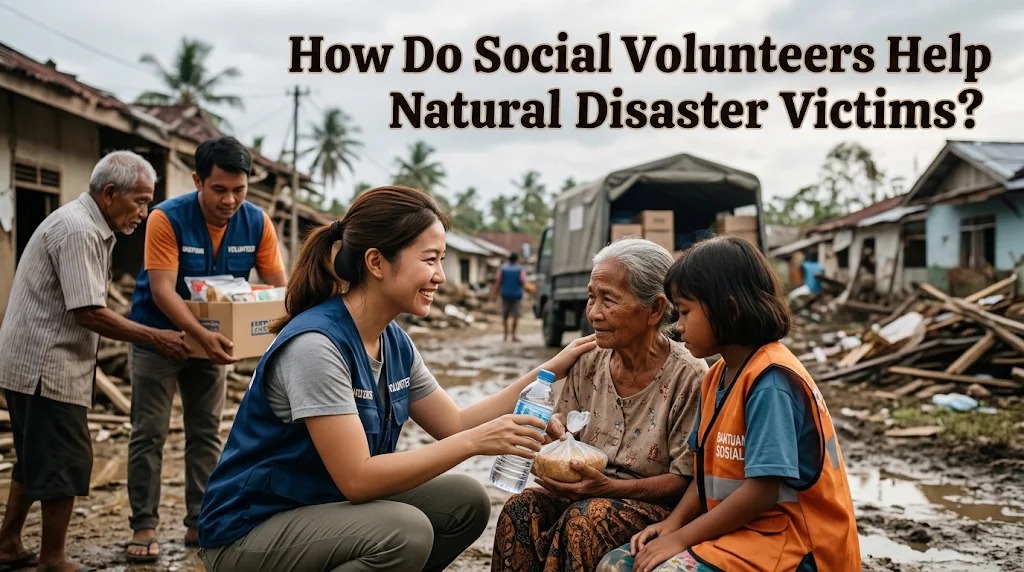
Natural disasters such as earthquakes, floods, landslides, volcanic eruptions, and storms can cause serious damage to communities. These events may destroy homes, damage public facilities, interrupt transportation, and force people to leave their neighborhoods. Many victims also lose access to food, clean water, healthcare, and other basic necessities. In these difficult situations, social volunteers play an important role in providing assistance and supporting recovery efforts.
Social volunteers help disaster victims through various activities, including distributing essential supplies, assisting evacuation, providing emotional support, and helping rebuild affected communities. They often work together with humanitarian organizations, government agencies, medical teams, and local residents. Their involvement can make disaster response more organized and help affected people recover more effectively.
PROVIDING FOOD, CLEAN WATER, AND ESSENTIAL SUPPLIES
One of the main ways social volunteers help natural disaster victims is by distributing basic necessities. Disasters can interrupt food supplies and damage clean water facilities, leaving many families without access to essential resources. Volunteers help collect, organize, and distribute food, drinking water, clothing, blankets, hygiene products, and other necessary items.
These supplies are especially important during the first days after a disaster. Victims may have to stay in temporary shelters because their homes are damaged or unsafe. Volunteers can help identify families with urgent needs and coordinate the distribution of assistance to prevent certain groups from being overlooked.
However, aid distribution must be organized carefully. Volunteers need to coordinate with local authorities and humanitarian organizations to understand which areas require the most support. This helps reduce unnecessary donations, prevent overcrowding, and ensure that assistance reaches the people who need it most.
ASSISTING EVACUATION AND EMERGENCY RESPONSE
Natural disasters can create dangerous conditions that require people to leave their homes quickly. Social volunteers may support evacuation activities by sharing verified emergency information, guiding residents toward designated shelters, and helping vulnerable individuals reach safer locations. They can also assist older people, children, and people with disabilities who may need additional support during an emergency.
Volunteers may help prepare temporary shelters and organize basic facilities for displaced families. Their responsibilities can include arranging sleeping areas, distributing supplies, managing registration, and helping maintain cleanliness. These activities make evacuation centers more organized and comfortable for people who have lost access to their homes.
Safety must remain the main priority during emergency response. Volunteers should follow instructions from trained emergency personnel and avoid entering dangerous areas without proper authorization or equipment. They should only perform tasks that match their training and abilities to prevent additional injuries or risks.
PROVIDING EMOTIONAL SUPPORT TO DISASTER VICTIMS
Natural disasters can cause emotional distress because victims may lose family members, homes, personal belongings, or their sense of security. Some people experience fear, sadness, anxiety, and confusion after witnessing a traumatic event. Social volunteers can help by listening, showing empathy, and providing a calm and supportive presence.
Simple actions can make a meaningful difference for affected individuals. Volunteers may spend time talking with victims, helping children participate in appropriate activities, or connecting families with available support services. Their presence can reduce feelings of isolation and help victims feel that they are not facing the situation alone.
However, volunteers should understand the limits of their role. They are not automatically qualified to provide professional psychological treatment. People experiencing severe emotional difficulties should be referred to trained mental health professionals or appropriate support services. Respecting privacy and avoiding pressure when speaking with victims are also essential.
SUPPORTING HEALTH SERVICES AND PUBLIC HYGIENE
Disaster conditions can increase health risks, especially when clean water, sanitation facilities, and medical services are limited. Social volunteers can support healthcare teams by helping distribute hygiene supplies, sharing verified health information, and directing victims toward medical services. They may also assist with organizing health posts and managing basic administrative tasks under professional supervision.
Maintaining cleanliness in temporary shelters is another important responsibility. Volunteers can help organize waste collection, distribute soap and hygiene kits, and encourage residents to use safe sanitation facilities. These activities can reduce the risk of infectious diseases and create a healthier environment for displaced families.
Volunteers must not perform medical procedures beyond their qualifications. Their role is to support trained healthcare workers and help victims access appropriate treatment. By following health and safety instructions, they can contribute to better public health conditions during disaster emergencies.
HELPING COMMUNITIES RECOVER AFTER DISASTERS
Disaster assistance does not end when the emergency situation improves. Many victims need continued support to rebuild their homes, restore their livelihoods, and return to normal activities. Social volunteers can participate in post-disaster recovery programs by helping clean affected areas, collecting building materials, and supporting community rebuilding activities under proper supervision.
They can also assist families who have lost their sources of income. For example, volunteers may help distribute work equipment, support local fundraising programs, or connect affected residents with skills training and employment information. These efforts can help communities regain economic stability and become more independent.
Education and community preparedness are also important parts of long-term recovery. Volunteers can help organize educational activities about disaster risks, evacuation procedures, and emergency supplies. By sharing useful knowledge, they help residents prepare for future disasters and reduce potential risks.
CONCLUSION
Social volunteers help natural disaster victims through emergency assistance, evacuation support, emotional care, health programs, and long-term recovery activities. Their contributions help affected communities access essential supplies, receive appropriate support, and rebuild their lives after difficult events.
Successful disaster response requires cooperation between volunteers, local communities, humanitarian organizations, and government agencies. Volunteers must also prioritize safety, follow official instructions, and work within their abilities. With proper coordination and genuine concern, social volunteers can make a meaningful difference in helping disaster victims recover and rebuild their communities.
Recent Posts

Bagaimana Sistem SKS pada Program Kuliah... 22.11.2026/27 View

How Does Technology Make Daily Evaluation... 21.11.2026/65 View

Apa Strategi Menghadapi Kesenjangan antara Kompetensi... 21.11.2026/65 View

Mengapa Inventaris Aset Penting bagi Kelancaran... 21.11.2026/62 View

When Should Musicians Join a Record... 21.11.2026/63 View
