

How Do Social Volunteers Help Reduce Poverty?
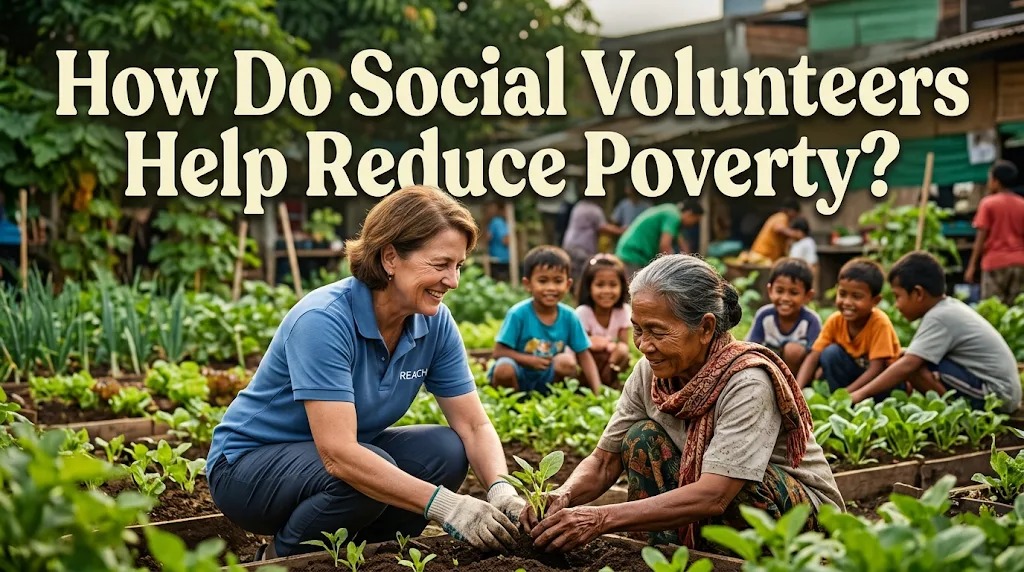
Poverty is a major social problem that affects people's access to food, education, healthcare, housing, and employment opportunities. Many families struggle to meet their daily needs because of limited income, unemployment, or unequal access to essential services. Social volunteers play an important role in helping these communities overcome difficult situations. They contribute their time, energy, knowledge, and skills to support people who need assistance.
Social volunteers help reduce poverty through various activities, including distributing basic necessities, providing educational support, developing practical skills, and connecting communities with social services. Although volunteering cannot solve poverty on its own, these efforts can reduce immediate hardship and create opportunities for long-term improvement. When supported by effective programs and cooperation with other organizations, volunteer activities can help individuals and families build more stable lives.
PROVIDING BASIC NECESSITIES TO LOW-INCOME FAMILIES
One of the most direct ways social volunteers help reduce poverty is by providing essential necessities to families with limited financial resources. Volunteers may collect and distribute food, clothing, clean water, hygiene products, and other daily supplies. This assistance is especially important for families who cannot consistently afford their basic needs. By reducing some of their daily expenses, these programs can help households use their limited income for other important purposes, such as education and transportation. Emergency assistance can also protect vulnerable families from becoming more financially unstable during difficult periods.
Volunteers usually organize donation programs in cooperation with local communities, charities, and humanitarian organizations. Before distributing assistance, they need to identify families who genuinely require support. Proper planning helps ensure that donations reach the right people and are distributed fairly. Volunteers should also maintain transparency when collecting and managing donated resources. Although basic assistance is generally temporary, it can provide meaningful relief while families work toward improving their economic conditions.
IMPROVING ACCESS TO EDUCATION AND LEARNING OPPORTUNITIES
Education is an important factor in reducing poverty because it helps people develop knowledge and skills that can improve their future employment opportunities. However, children from low-income families may face difficulties accessing learning materials, tutoring, and other educational resources. Social volunteers can help by organizing free lessons, reading programs, and educational activities. They may also provide books, stationery, and school supplies to students who need additional support. These activities can help children continue their education and develop their abilities despite financial limitations.
Volunteers can also support adults who want to improve their knowledge and qualifications. For example, they may organize basic literacy classes, digital skills training, and practical workshops. These programs can help participants become more confident when searching for jobs or managing everyday responsibilities. Access to education does not immediately eliminate poverty, but it can create better opportunities over time. By supporting lifelong learning, volunteers contribute to improving the long-term prospects of individuals and families.
DEVELOPING PRACTICAL SKILLS AND EMPLOYMENT OPPORTUNITIES
Limited skills and unemployment are common factors that contribute to poverty. Social volunteers can help communities by organizing training programs that teach practical abilities relevant to local employment opportunities. These activities may include computer skills, basic business management, handicrafts, cooking, sewing, and other useful skills. Participants can use the knowledge they gain to apply for jobs, improve their existing work, or explore small business opportunities. This support can be especially valuable for people who have limited access to formal training.
Some volunteer programs also help participants prepare for employment. Volunteers with relevant experience may provide guidance on writing resumes, preparing for interviews, and searching for suitable job opportunities. They can also connect participants with organizations that offer vocational training or employment support. However, training programs should be based on actual labor market needs so that participants develop useful and relevant abilities. With proper guidance and continued practice, these activities can help people improve their income potential and become more financially independent.
SUPPORTING SMALL BUSINESSES AND COMMUNITY ECONOMIC ACTIVITIES
Small businesses can provide important income opportunities for families living in low-income communities. Social volunteers may support local entrepreneurs by helping them understand basic business management, product development, and simple financial planning. They can also introduce participants to digital tools that make it easier to promote products and communicate with customers. For example, volunteers may help small business owners create product descriptions, use social media for promotion, or understand online selling platforms. These activities can improve business knowledge and help local entrepreneurs reach more potential buyers.
Community economic activities can also benefit from volunteer support. Volunteers may help organize local markets, craft exhibitions, cooperative activities, and community fundraising events. Such programs can create opportunities for residents to promote their products and strengthen local economic relationships. However, business development requires more than short-term assistance because entrepreneurs also need access to capital, markets, and consistent customer demand. By connecting communities with relevant support networks, volunteers can help create conditions that encourage sustainable economic growth.
CONNECTING COMMUNITIES WITH SOCIAL SERVICES AND LONG-TERM SUPPORT
Social volunteers can help reduce poverty by connecting vulnerable families with available social services and assistance programs. Some people do not receive support because they lack information about available services or do not understand the application process. Volunteers can help share information about government assistance, healthcare services, educational support, and community development programs. They may also assist residents in finding the appropriate institutions to contact. This role is important because access to existing services can help families address problems that are difficult to solve independently.
Long-term poverty reduction also requires cooperation between volunteers, local communities, government institutions, and professional organizations. Volunteers can help identify community needs, support development programs, and encourage residents to participate in finding solutions. Their activities should focus not only on providing temporary assistance but also on strengthening people's ability to improve their own living conditions. Regular evaluation can help determine whether a program is useful and what improvements are needed. Through consistent cooperation, social volunteering can become part of a broader effort to reduce poverty and improve community welfare.
CONCLUSION
Social volunteers help reduce poverty by providing basic necessities, supporting education, developing practical skills, encouraging small businesses, and connecting communities with social services. Their activities can reduce immediate financial pressure while creating opportunities for individuals and families to improve their economic conditions. Although volunteers cannot replace government policies or professional poverty reduction programs, they can strengthen existing support systems through direct community involvement. Effective volunteering requires proper planning, cooperation, and an understanding of local needs. With sustainable programs and continued participation, social volunteers can contribute to building stronger and more independent communities.
Recent Posts

Bagaimana Sistem SKS pada Program Kuliah... 22.11.2026/27 View

How Does Technology Make Daily Evaluation... 21.11.2026/65 View

Apa Strategi Menghadapi Kesenjangan antara Kompetensi... 21.11.2026/65 View

Mengapa Inventaris Aset Penting bagi Kelancaran... 21.11.2026/62 View

When Should Musicians Join a Record... 21.11.2026/63 View
