

How Do Teachers Help Students Prepare for the MAPSI Competition?
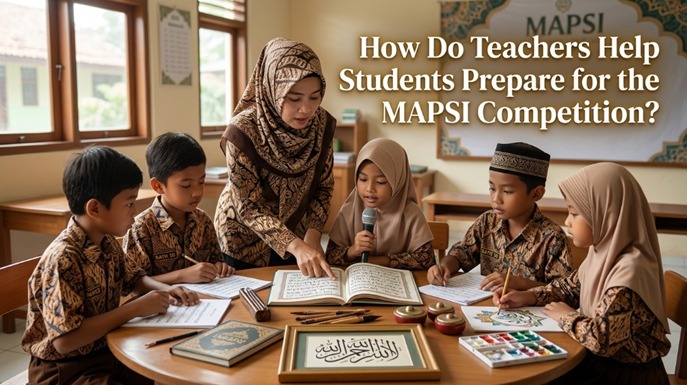
The MAPSI Competition (Islamic Education and Arts Competition) is an educational event that allows students to develop their religious knowledge, artistic talents, creativity, and Islamic character. To achieve good results, students need more than personal motivation and regular practice. They also need proper guidance from teachers who understand their abilities and can help them prepare for each competition category.
Teachers play an important role in the preparation process, from identifying students' talents to providing training and evaluating their performance. They also help participants understand competition rules, improve their confidence, and develop positive attitudes toward other competitors.
With appropriate guidance, students can prepare more effectively and demonstrate their abilities with confidence. So, how do teachers help students prepare for the MAPSI Competition? Here are several important roles teachers perform throughout the preparation process.
1. IDENTIFYING STUDENTS' TALENTS AND POTENTIAL
The first step teachers take is identifying students who have potential in Islamic education and religious arts. Every student has different interests and abilities, so teachers need to observe their performance during classroom activities, religious lessons, and extracurricular programs.
For example, students with good Quranic reading abilities may be suitable for Quranic recitation categories, while those who enjoy public speaking may have potential in Islamic speech competitions. Teachers can also recognize students who have artistic abilities in calligraphy, religious songs, or other creative activities. Identifying the right talents helps teachers recommend suitable competition categories and create more focused preparation plans.
2. EXPLAINING COMPETITION RULES AND REQUIREMENTS
Teachers help students understand the official MAPSI competition guidelines before training begins. Each category may have different technical requirements, assessment standards, participant qualifications, and competition procedures.
By explaining these rules, teachers ensure that students understand what they need to prepare. They may discuss performance duration, required materials, judging criteria, and other important regulations. Understanding competition requirements helps students avoid unnecessary mistakes and ensures that their preparation follows the organizer's guidelines.
3. PROVIDING REGULAR TRAINING AND PRACTICE
Regular training is one of the most important ways teachers prepare students for MAPSI. Teachers usually create practice schedules based on the students' selected categories, available time, and individual learning needs.
During training, teachers guide students through the technical aspects of their performances. For example, Quranic recitation participants can practice Tajweed and pronunciation, while speech participants can improve their language, expressions, and delivery. Consistent and structured practice helps students develop their abilities gradually and become more prepared for competition day.
4. IMPROVING STUDENTS' ISLAMIC KNOWLEDGE
Teachers also help students strengthen their understanding of Islamic teachings and religious subjects. This preparation is important because many MAPSI categories require participants to demonstrate accurate religious knowledge and a good understanding of Islamic values.
Teachers may provide additional learning materials related to Quranic knowledge, Hadith, Islamic history, worship practices, and moral teachings. They can also organize discussions, question-and-answer sessions, and practice tests to evaluate students' understanding. Strong Islamic knowledge helps participants demonstrate their abilities accurately and apply religious teachings in meaningful ways.
5. DEVELOPING STUDENTS' CONFIDENCE
Some students have excellent abilities but feel nervous when performing in front of judges or audiences. Teachers help overcome this problem by creating opportunities for students to practice in comfortable and supportive environments.
For example, teachers may organize small performances in front of classmates or conduct practice competitions at school. They can also provide positive feedback and encourage students to focus on their preparation rather than worrying excessively about the results. Building self-confidence helps students perform more naturally, communicate clearly, and manage nervousness during the actual competition.
6. PROVIDING CONSTRUCTIVE FEEDBACK AND EVALUATION
Teachers need to evaluate students' progress throughout the preparation period. Evaluation allows them to identify strengths, recognize mistakes, and determine which skills require additional improvement.
After practice sessions, teachers can explain specific areas that need attention. They may correct pronunciation, improve performance techniques, adjust presentation styles, or recommend additional learning activities. Constructive feedback helps students understand their weaknesses without feeling discouraged. Through regular evaluation, participants can improve their performance before the competition begins.
7. TEACHING DISCIPLINE AND TIME MANAGEMENT
Preparing for MAPSI requires students to balance competition training with regular academic responsibilities. Teachers help them develop discipline by establishing realistic practice schedules and encouraging consistent participation.
Students learn to arrive on time, complete assignments, follow training instructions, and manage their preparation effectively. Teachers also remind participants to avoid excessive practice that could interfere with their health or schoolwork. Discipline and time management are important habits that support both competition preparation and academic success.
8. BUILDING TEAMWORK AND SPORTSMANSHIP
Some MAPSI categories involve group performances that require cooperation between participants. In these activities, teachers guide students to communicate effectively, share responsibilities, and respect one another's contributions.
Teachers also emphasize the importance of sportsmanship throughout the competition process. Students learn to respect judges, appreciate other participants, follow the rules, and accept results gracefully. Teamwork and mutual respect help create a positive learning environment and develop important social skills.
9. PREPARING STUDENTS MENTALLY AND PHYSICALLY
Teachers also help students prepare themselves mentally and physically before competition day. Mental readiness is important because nervousness, pressure, and unexpected situations can affect performance.
Teachers can encourage students to maintain positive thinking, practice relaxation techniques, and develop realistic expectations. They may also remind participants to get enough sleep, eat nutritious food, and maintain their health. A healthy body and a prepared mindset help students stay focused and perform more effectively.
10. COORDINATING WITH PARENTS AND SCHOOLS
Successful MAPSI preparation often requires cooperation between teachers, parents, and school administrators. Teachers can communicate students' training progress, practice schedules, and preparation needs to their parents.
Parents can support students by providing encouragement, helping manage practice time, and ensuring that they have enough rest. Meanwhile, schools can provide suitable facilities, learning materials, and other resources needed for training. Good cooperation between teachers, parents, and schools creates a supportive environment that helps students develop their talents more effectively.
11. MOTIVATING STUDENTS TO KEEP IMPROVING
Teachers are not only responsible for providing technical training but also for maintaining students' motivation. Competition preparation can sometimes become challenging, especially when students experience difficulties or do not achieve their expected results during practice.
Teachers can motivate participants by recognizing their progress, appreciating their efforts, and reminding them that every mistake is an opportunity to learn. They should also explain that winning is not the only purpose of joining MAPSI. Continuous improvement, personal growth, and positive character development are equally important achievements.
TIPS FOR TEACHERS TO MAKE MAPSI PREPARATION MORE EFFECTIVE
To achieve better preparation results, teachers need to use appropriate training methods based on students' abilities and competition requirements. A supportive learning environment can make the preparation process more productive and enjoyable.
Here are several practical strategies teachers can apply:
- Create Individual Training Plans: Adjust training methods according to each student's talents and needs.
- Use Relevant Learning Materials: Provide resources that match the selected competition categories.
- Organize Practice Competitions: Simulate actual competition conditions to improve students' readiness.
- Evaluate Progress Regularly: Monitor performance and identify areas that need improvement.
- Encourage Active Participation: Give students opportunities to practice, ask questions, and express their ideas.
- Maintain Positive Communication: Provide helpful feedback without creating excessive pressure.
- Build Strong Cooperation: Involve parents and school administrators in supporting students' preparation.
By applying these strategies, teachers can help students prepare systematically while ensuring that the learning process remains balanced and enjoyable.
CONCLUSION
Teachers play an essential role in helping students prepare for the MAPSI Competition. Their responsibilities include identifying talents, explaining competition requirements, providing regular training, improving Islamic knowledge, and developing students' confidence.
Furthermore, teachers help participants strengthen discipline, teamwork, sportsmanship, and mental readiness. Their cooperation with parents and schools also creates a supportive environment for student development.
Ultimately, successful MAPSI preparation depends on effective guidance, consistent practice, and strong cooperation. Teachers should not focus only on competition results but also on helping students become more knowledgeable, confident, creative, and responsible individuals. With the right support, students can gain valuable experiences that benefit their academic, personal, and religious development.
Recent Posts

How Does Technology Make Daily Evaluation... 21.11.2026/62 View

Apa Strategi Menghadapi Kesenjangan antara Kompetensi... 21.11.2026/63 View

Mengapa Inventaris Aset Penting bagi Kelancaran... 21.11.2026/59 View

When Should Musicians Join a Record... 21.11.2026/58 View

Daily Evaluation or Daily Planning Which... 21.11.2026/66 View
