

How Do Teachers Shape Student Character Through Example?
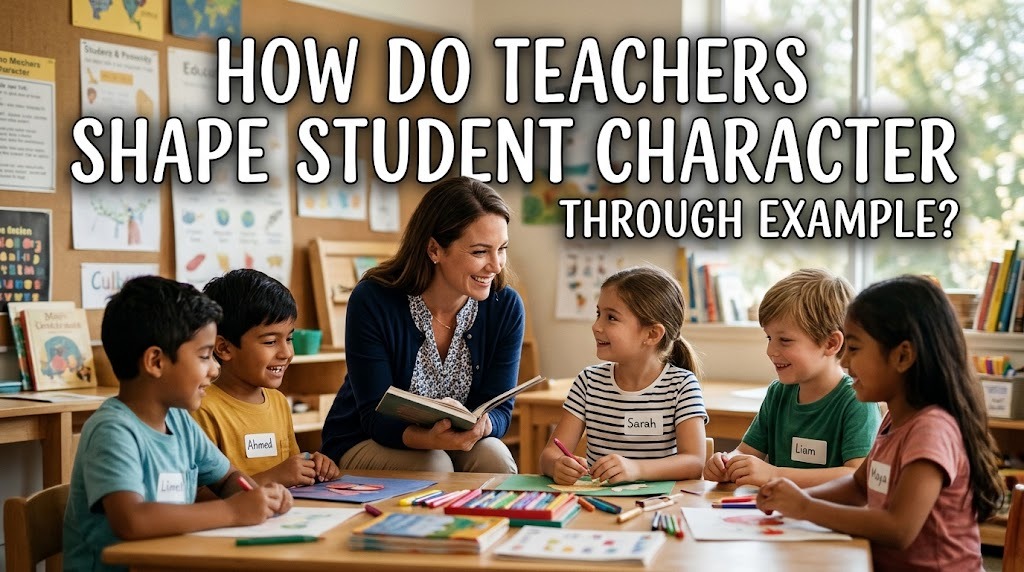
Teachers play an important role in shaping student character, not only through lessons but also through their daily behavior. Students often observe how teachers speak, respond to problems, treat others, and carry out their responsibilities. These actions can influence how students understand values such as honesty, discipline, respect, and responsibility. When teachers consistently demonstrate positive behavior, they provide practical examples that students can follow in their own lives.
Character education becomes more meaningful when students can see these values in action. By setting a good example, teachers help create a learning environment where positive attitudes can develop naturally.
THE IMPORTANCE OF TEACHER ROLE MODELS
Teachers are often viewed as role models because they interact with students regularly and guide them through different learning experiences. Their behavior can influence students' attitudes toward school, relationships, and personal responsibilities. For example, a teacher who arrives on time demonstrates the importance of punctuality, while a teacher who admits a mistake shows that honesty is more important than appearing perfect.
Students may remember these examples long after a lesson ends. When teachers practice the values they teach, students can better understand how those values apply to everyday situations.
TEACHING HONESTY THROUGH DAILY ACTIONS
Honesty is an essential part of student character because it builds trust and encourages accountability. Teachers can demonstrate honesty by giving fair assessments, acknowledging mistakes, and explaining decisions transparently. These actions show students that telling the truth is important, even when doing so may be uncomfortable.
When students see teachers behaving honestly, they may become more willing to admit their own mistakes and learn from them. This creates a classroom atmosphere where students can take responsibility for their actions instead of hiding problems out of fear.
BUILDING DISCIPLINE AND RESPONSIBILITY
Discipline helps students manage their time, follow rules, and complete tasks consistently. Teachers can model discipline by preparing lessons carefully, respecting schedules, and fulfilling their commitments. These habits show that responsibility involves more than following instructions; it also means being dependable and prepared.
Teachers can also encourage responsibility by assigning classroom duties, setting clear expectations, and allowing students to learn from the consequences of their decisions. When teachers demonstrate the same standards they expect from students, those expectations become more credible and easier to understand.
DEMONSTRATING RESPECT AND EMPATHY
Respect is developed through the way people communicate and treat one another. Teachers can demonstrate respect by listening carefully, avoiding humiliating comments, and treating students fairly regardless of their backgrounds or abilities. Such behavior helps students understand that everyone deserves to be treated with dignity.
Empathy is equally important because it encourages students to consider other people's feelings and perspectives. When teachers respond patiently to difficulties and try to understand different viewpoints, they show students how to handle disagreements without hostility. These examples can support healthier relationships both inside and outside the classroom.
SHOWING HOW TO HANDLE MISTAKES AND CHALLENGES
Students need to understand that making mistakes is a normal part of learning. Teachers who respond to setbacks with patience and constructive problem-solving demonstrate resilience. Instead of blaming others or giving up, they can show how to evaluate a problem, identify possible solutions, and try again.
Teachers also influence students through the way they receive criticism. By listening to feedback and making reasonable improvements, teachers demonstrate openness to learning. This helps students recognize that personal growth requires reflection, effort, and a willingness to change.
CREATING A POSITIVE CLASSROOM CULTURE
A positive classroom culture develops when teachers consistently demonstrate fairness, cooperation, and mutual respect. Students are more likely to feel comfortable participating when they know their ideas will be considered seriously and their mistakes will be handled constructively.
Teachers can reinforce this culture by encouraging teamwork, recognizing responsible behavior, and resolving conflicts calmly. Group activities also provide opportunities for students to practice cooperation and appreciate different perspectives. Over time, these experiences can help establish shared expectations for how members of the classroom should treat one another.
ENCOURAGING STUDENTS TO PRACTICE POSITIVE VALUES
Observing good behavior is an important starting point, but students also need opportunities to practice positive values independently. Teachers can encourage students to demonstrate honesty in assignments, responsibility in group projects, and respect during classroom discussions.
Reflection activities can help students understand why their choices matter. For example, teachers may ask students to consider how their actions affected others or what they could do differently in a similar situation. This process encourages students to develop personal judgment instead of simply following rules when an adult is present.
MAINTAINING CONSISTENCY BETWEEN WORDS AND ACTIONS
The influence of a teacher's example depends partly on consistency. If teachers frequently emphasize fairness but treat students unequally, their actions may weaken the lessons they communicate. Students notice these differences and may question whether the values being taught are genuinely important.
Teachers do not need to be perfect role models. What matters is their willingness to acknowledge mistakes, correct unfair behavior, and keep improving. Demonstrating accountability can itself become a valuable lesson because it shows students how to respond responsibly when their actions do not match their intentions.
THE LONG-TERM IMPACT OF POSITIVE EXAMPLES
Positive teacher behavior can contribute to students' social and emotional development, although character formation is also influenced by family, peers, community, and personal experiences. A teacher who consistently demonstrates integrity and compassion can help students recognize how these values work in real situations.
These lessons may influence how students approach future responsibilities, relationships, and challenges. By practicing positive values repeatedly, students can gradually develop habits that support responsible decision-making and respectful interaction with others.
CONCLUSION
Teachers shape student character through the examples they demonstrate every day. Honesty, discipline, responsibility, empathy, and respect become easier for students to understand when they see these values practiced consistently. Teachers can strengthen this influence by creating supportive classrooms, encouraging reflection, and allowing students to practice positive behavior independently. Although character development takes time and involves many influences, a teacher's actions can provide meaningful guidance that students carry into their daily lives.
Recent Posts

Bagaimana Sistem SKS pada Program Kuliah... 22.11.2026/58 View

How Does Technology Make Daily Evaluation... 21.11.2026/86 View

Apa Strategi Menghadapi Kesenjangan antara Kompetensi... 21.11.2026/84 View

Mengapa Inventaris Aset Penting bagi Kelancaran... 21.11.2026/82 View

When Should Musicians Join a Record... 21.11.2026/86 View
