

How Do Traditional Crafts Represent Regional Cultural Identity?
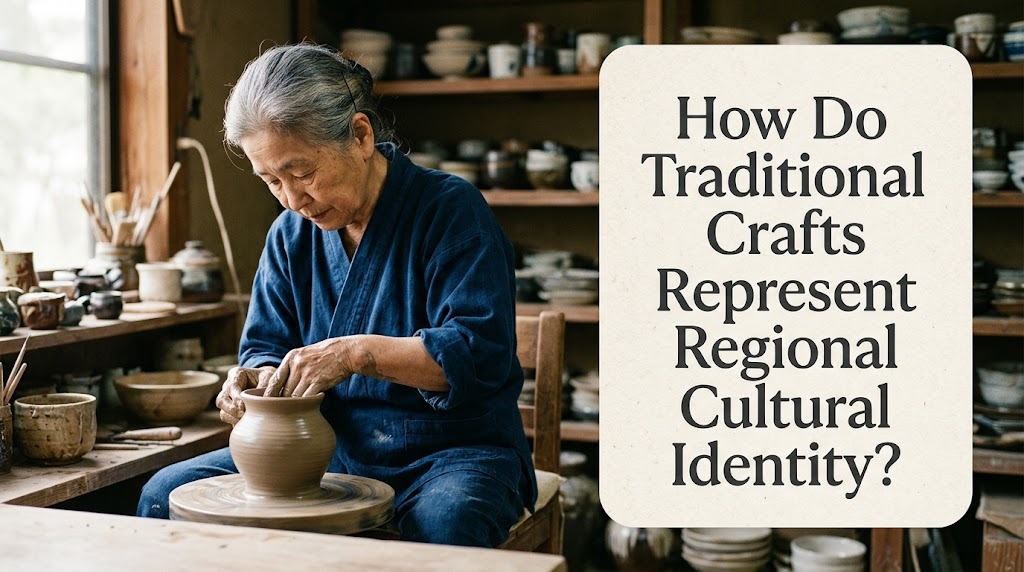
Traditional crafts are an important part of Indonesia’s cultural heritage. They reflect the history, beliefs, creativity, and daily lives of people in different regions. Crafts such as batik, woven textiles, wood carvings, and pottery often have distinctive designs that represent local traditions. These products are more than ordinary objects because they carry cultural meanings passed down through generations. By preserving traditional crafts, communities can maintain their regional identity while sharing their heritage with the wider world.
REFLECTING LOCAL HISTORY AND TRADITIONS
Traditional crafts often tell stories about the history and traditions of a region. Their designs, materials, and production methods may reflect local experiences, historical events, or customs. For example, Jepara in Central Java is widely known for its wood carving traditions, while Yogyakarta and Solo are recognized for distinctive batik styles. These crafts demonstrate how cultural knowledge develops within particular communities. By continuing to produce them, artisans help preserve the historical identity of their regions.
SHOWING UNIQUE REGIONAL SYMBOLS
Many traditional crafts feature patterns, colors, and symbols associated with local cultural identity. These elements may represent nature, social values, spiritual beliefs, or important community traditions. Indonesian batik, for example, includes many regional motifs with different visual styles and cultural associations. Traditional weaving also reflects regional diversity through its patterns, techniques, and materials. These distinctive characteristics help people recognize the cultural origins of particular crafts.
PRESERVING KNOWLEDGE PASSED DOWN THROUGH GENERATIONS
Traditional crafts preserve practical skills and cultural knowledge that are often taught within families and communities. Experienced artisans teach younger people how to select materials, prepare tools, create patterns, and complete each product. Learning these techniques also introduces younger generations to the stories and values connected to the craft. This process helps prevent traditional skills from disappearing as lifestyles change. It also strengthens the relationship between cultural heritage and the people responsible for maintaining it.
REFLECTING LOCAL NATURAL RESOURCES
The natural environment often influences the materials and techniques used in traditional crafts. Communities may use locally available wood, bamboo, clay, plant fibers, or natural dyes to create useful and decorative products. These materials reflect the relationship between local people and their surroundings. For example, pottery traditions often depend on the availability of suitable clay, while woven crafts may use fibers obtained from regional plants. Through these practices, traditional crafts can demonstrate local environmental knowledge and the creative use of natural resources.
SUPPORTING LOCAL ECONOMIES AND COMMUNITY PRIDE
Traditional crafts can provide income for artisans, families, and small businesses. Products such as batik clothing, woven bags, wooden decorations, and handmade pottery can attract customers from other regions and countries. When people purchase authentic traditional crafts, they can help support the communities that produce them. Local craft industries may also create opportunities for cultural tourism and skills development. Beyond their economic value, these crafts encourage community pride by showing that regional knowledge and creativity remain valuable.
ADAPTING TRADITIONAL CRAFTS TO MODERN LIFE
Traditional crafts can maintain their cultural identity while adapting to modern needs and preferences. Artisans may create contemporary clothing, home decorations, or accessories using traditional techniques and patterns. Digital platforms also allow craftspeople to introduce their products and cultural stories to wider audiences. However, innovation should be balanced with respect for the original meaning and knowledge behind the craft. By combining creativity with cultural preservation, artisans can help traditional crafts remain relevant to younger generations.
CONCLUSION
Traditional crafts represent regional cultural identity through their history, symbols, materials, techniques, and cultural meanings. They preserve knowledge passed down through generations while supporting local livelihoods and community pride. Each region contributes distinctive forms of craftsmanship that reflect Indonesia’s cultural diversity. Supporting local artisans and teaching traditional skills to younger generations can help ensure that these crafts continue to thrive in the future.
Recent Posts

Bagaimana Sistem SKS pada Program Kuliah... 22.11.2026/49 View

How Does Technology Make Daily Evaluation... 21.11.2026/77 View

Apa Strategi Menghadapi Kesenjangan antara Kompetensi... 21.11.2026/78 View

Mengapa Inventaris Aset Penting bagi Kelancaran... 21.11.2026/74 View

When Should Musicians Join a Record... 21.11.2026/79 View
