

How Do Village Tourism Awareness Groups Empower Local Communities Through Tourism?
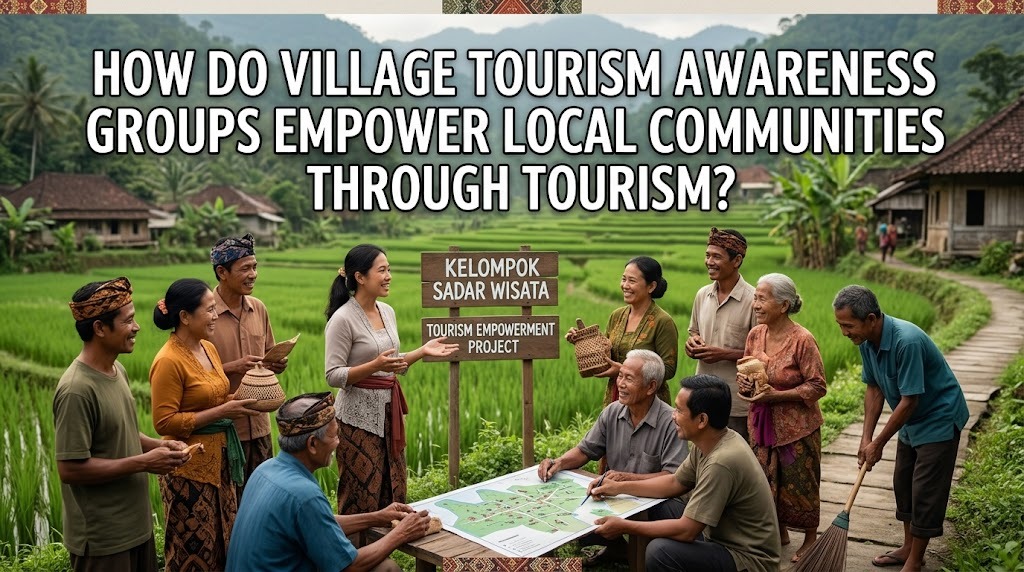
Tourism development can create valuable opportunities for rural communities to improve their economic conditions, develop local skills, and preserve their cultural heritage. Many villages have natural attractions, traditional activities, historical places, and local products that can become important tourism resources. However, these resources need proper management and active community participation to generate meaningful benefits. Village Tourism Awareness Groups, commonly known as Pokdarwis in Indonesia, play an important role in connecting tourism development with community empowerment. Through organized activities, cooperation, and sustainable programs, these groups can help residents become active participants in the tourism industry rather than simply receiving its benefits.
CREATING NEW ECONOMIC OPPORTUNITIES FOR LOCAL RESIDENTS
One of the most important ways Village Tourism Awareness Groups empower communities is by creating new economic opportunities. Tourism activities can encourage residents to establish small businesses, such as food stalls, souvenir shops, homestays, transportation services, and local tour services. These businesses allow people to earn additional income by using resources and skills already available in their village. For example, residents can sell traditional food to visitors or produce handmade crafts as souvenirs. As visitor numbers increase, demand for local products and services may also grow.
In addition, tourism development can create employment opportunities for people who previously had limited access to formal jobs. Young people can work as tour guides, content creators, event organizers, or tourism service providers. Women can participate in culinary businesses, handicraft production, and accommodation management. Farmers and fishermen may also introduce their daily activities as part of educational tourism programs. These opportunities help distribute economic benefits across different groups within the community and strengthen the village economy.
DEVELOPING COMMUNITY SKILLS AND KNOWLEDGE
Community empowerment through tourism also involves improving the knowledge and abilities of local residents. Village Tourism Awareness Groups can organize training programs related to hospitality, communication, destination management, digital marketing, financial administration, and customer service. These skills help residents understand how to manage tourism activities professionally and respond to visitor needs. Training also increases their confidence when interacting with tourists from different backgrounds. As a result, community members become better prepared to participate in the growing tourism industry.
Furthermore, tourism groups can cooperate with educational institutions, tourism offices, and professional organizations to provide practical learning opportunities. Residents may participate in workshops, mentoring programs, and direct tourism management activities. Young people can learn how to promote destinations through social media, while local business owners can improve product quality and financial management. These learning experiences are valuable because the skills developed through tourism can also be applied to other economic activities. Continuous knowledge development helps communities become more independent and adaptable.
ENCOURAGING COMMUNITY PARTICIPATION IN TOURISM MANAGEMENT
Active community participation is an essential element of successful village tourism development. Village Tourism Awareness Groups provide an organizational platform where residents can contribute ideas, make decisions, and participate in tourism activities. Communities can become involved in identifying local attractions, preparing development plans, maintaining facilities, and organizing tourism events. This involvement ensures that tourism programs reflect local needs and the actual potential of the village. It also helps residents develop a stronger sense of responsibility toward their tourism resources.
Moreover, community participation allows tourism benefits and responsibilities to be shared more fairly. Residents should have opportunities to express their opinions about development priorities, funding decisions, and tourism regulations. Village Tourism Awareness Groups can organize regular meetings to discuss progress and resolve problems together. Transparent communication helps build trust and reduce conflicts among community members. When residents feel that their opinions are respected, they are more likely to support tourism programs and contribute to their long-term success.
PRESERVING LOCAL CULTURE AND TRADITIONAL HERITAGE
Tourism can become an effective way to preserve cultural traditions and introduce local heritage to a wider audience. Many villages have traditional dances, music, ceremonies, handicrafts, traditional clothing, and regional culinary practices that represent their cultural identity. Village Tourism Awareness Groups can help organize cultural performances, exhibitions, workshops, and educational activities to introduce these traditions to visitors. These activities provide opportunities for residents to maintain their cultural knowledge while creating additional tourism attractions. Cultural preservation can therefore become an important part of community empowerment.
Young generations also have an opportunity to learn about their cultural heritage through tourism activities. For example, older residents can teach traditional crafts, local cooking techniques, and historical knowledge to younger community members. This interaction helps transfer cultural knowledge between generations. However, cultural activities should be presented respectfully and should not be changed excessively just to satisfy tourist expectations. By protecting the authenticity of local traditions, tourism groups can strengthen cultural identity while creating meaningful experiences for visitors.
STRENGTHENING LOCAL BUSINESSES AND COMMUNITY COOPERATION
Village Tourism Awareness Groups can empower communities by connecting local businesses with tourism activities. Tourism development creates demand for various products and services, including food, accommodation, transportation, agricultural products, and handicrafts. Groups can encourage tourists to purchase products from local businesses rather than relying entirely on outside suppliers. This approach helps local entrepreneurs reach new customers and increase their business opportunities. It also allows more tourism income to circulate within the village economy.
Cooperation among residents is equally important for developing a strong local tourism network. Farmers, food producers, craft makers, transportation providers, and accommodation owners can work together to create tourism packages. For example, visitors may enjoy a village tour that includes traditional cooking activities, agricultural experiences, and local handicraft workshops. These partnerships create more complete visitor experiences while strengthening relationships among community members. Through collaboration, small businesses can become more competitive and contribute to broader village development.
IMPROVING COMMUNITY WELFARE THROUGH SUSTAINABLE TOURISM
Community empowerment should produce long-term improvements in residents' quality of life. Village Tourism Awareness Groups can encourage tourism programs that balance economic development, environmental protection, and social welfare. Activities such as waste management, environmental cleaning, tree planting, and conservation programs help maintain the natural resources that support tourism. These initiatives also create a cleaner and healthier living environment for residents. Sustainable management ensures that tourism development does not damage the resources needed by future generations.
In addition, tourism groups should evaluate how tourism activities affect different members of the community. They need to consider whether economic opportunities are distributed fairly and whether residents receive meaningful benefits from tourism development. Regular discussions, visitor feedback, and community evaluations can help identify problems and improve existing programs. Tourism development should also respect local values and avoid creating excessive pressure on residents' daily lives. When managed responsibly, village tourism can strengthen economic independence, improve social cooperation, and support long-term community welfare.
CONCLUSION
Village Tourism Awareness Groups empower local communities by creating economic opportunities, improving residents' skills, encouraging participation, and preserving cultural heritage. They also strengthen local businesses through cooperation and help improve community welfare through sustainable tourism management. These benefits can be achieved when residents are actively involved in planning and managing tourism activities. However, tourism development must remain transparent, inclusive, and respectful of local traditions and environmental conditions. With strong cooperation and consistent commitment, Village Tourism Awareness Groups can help communities become more independent while developing tourism that benefits present and future generations.
Recent Posts

Bagaimana Sistem SKS pada Program Kuliah... 22.11.2026/37 View

How Does Technology Make Daily Evaluation... 21.11.2026/70 View

Apa Strategi Menghadapi Kesenjangan antara Kompetensi... 21.11.2026/73 View

Mengapa Inventaris Aset Penting bagi Kelancaran... 21.11.2026/68 View

When Should Musicians Join a Record... 21.11.2026/71 View
