

How Do Waste Managers Help Protect the Environment?
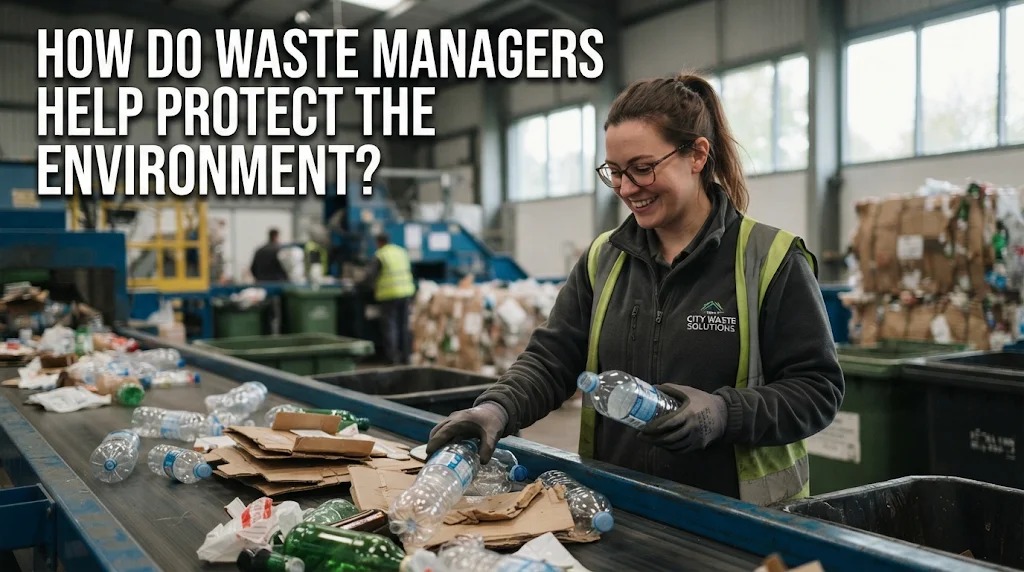
Waste managers play an important role in protecting the environment by ensuring that waste is handled, processed, and disposed of properly. Every day, households, businesses, hospitals, and industries produce different types of waste that can harm nature if they are not managed correctly. Poor waste management can pollute rivers, contaminate soil, damage ecosystems, and increase health risks for communities. Waste managers help reduce these problems through proper waste collection, sorting, recycling, and treatment. Their work also encourages people and organizations to develop more responsible habits toward the environment.
REDUCING ENVIRONMENTAL POLLUTION
One of the main ways waste managers protect the environment is by reducing pollution caused by improperly discarded waste. Household rubbish, industrial waste, and chemical substances can contaminate soil and water when they are dumped in unsuitable locations. Waste managers ensure that waste is collected and transported to appropriate facilities instead of being left in streets, rivers, or open areas. They also help identify waste that requires special treatment to prevent harmful substances from spreading into the environment.
Proper waste handling can also reduce air pollution caused by uncontrolled burning and poorly managed disposal sites. By applying suitable treatment methods, waste managers help prevent the release of harmful pollutants. Their efforts contribute to cleaner surroundings and healthier ecosystems.
ENCOURAGING RECYCLING AND REUSABLE MATERIALS
Waste managers support environmental protection by encouraging recycling and the responsible use of reusable materials. They organize waste separation so that materials such as paper, plastic, glass, and metal can be collected and processed separately. These materials can then be turned into new products instead of being sent directly to landfills. Recycling helps reduce the demand for raw materials and lowers the amount of waste that needs final disposal.
They may also work with communities, schools, and businesses to improve recycling programs. Public education helps people understand how to separate waste and choose reusable products. When more materials are recycled, fewer natural resources are consumed, and the environmental impact of production can be reduced.
PROTECTING WATER, SOIL, AND AIR QUALITY
Waste that is not managed properly can damage important natural resources. For example, chemicals and other hazardous substances may enter rivers, groundwater, and agricultural soil. Waste managers help prevent this by ensuring that dangerous materials are stored, transported, and treated according to appropriate safety procedures. They also monitor waste management activities to identify potential environmental risks.
Proper treatment of wastewater and industrial waste is another important part of their responsibilities. These processes help reduce harmful substances before water is released back into the environment. By controlling pollution at different stages, waste managers help maintain cleaner water, healthier soil, and better air quality.
REDUCING WASTE SENT TO LANDFILLS
Landfills require large areas of land and can create environmental problems when they are poorly managed. Organic waste buried in landfills can produce methane, a greenhouse gas that contributes to climate change. Waste managers help reduce the amount of waste sent to landfills by promoting recycling, composting, and other suitable treatment methods. These approaches allow more materials to be recovered and reused.
Composting is particularly useful for managing food scraps, leaves, and other biodegradable materials. Instead of sending these materials to disposal sites, they can be processed into compost that improves soil quality. Reducing landfill waste also helps extend the useful life of existing disposal facilities and limits the need for new landfill areas.
PROMOTING ENVIRONMENTAL AWARENESS IN COMMUNITIES
Waste managers do more than handle rubbish because they also help communities understand the importance of environmental responsibility. They may organize educational activities, provide waste separation guidance, and encourage households to reduce unnecessary waste. These activities help people recognize how everyday habits affect the environment. Simple actions, such as avoiding single-use plastics and separating recyclable materials, can make a meaningful difference when practiced consistently.
They also cooperate with local governments, schools, businesses, and environmental organizations to improve waste management programs. Through this cooperation, communities can develop cleaner and more sustainable surroundings. Public participation makes waste management more effective because environmental protection requires shared responsibility.
SUPPORTING SUSTAINABLE WASTE MANAGEMENT PRACTICES
Waste managers contribute to sustainability by helping organizations use resources more efficiently and reduce unnecessary waste. They may evaluate how much waste is produced, identify opportunities for material recovery, and recommend better handling systems. In industrial settings, these efforts can reduce disposal costs while improving environmental performance. They also help businesses follow applicable environmental regulations and waste management standards.
In addition, waste managers can support the use of modern technologies for monitoring, sorting, and treating waste. These technologies can improve efficiency and help organizations make better decisions based on waste data. By combining proper procedures, technology, and public cooperation, waste managers support long-term environmental protection.
CONCLUSION
Waste managers help protect the environment by reducing pollution, encouraging recycling, protecting natural resources, and limiting the amount of waste sent to landfills. They also promote environmental awareness and support sustainable practices in communities and workplaces. Their responsibilities are essential for maintaining clean surroundings and reducing the harmful effects of waste on nature. With effective waste management and public participation, environmental damage can be reduced and natural resources can be protected for future generations.
Recent Posts

How Does Technology Make Daily Evaluation... 21.11.2026/55 View

Apa Strategi Menghadapi Kesenjangan antara Kompetensi... 21.11.2026/57 View

Mengapa Inventaris Aset Penting bagi Kelancaran... 21.11.2026/51 View

When Should Musicians Join a Record... 21.11.2026/52 View

Daily Evaluation or Daily Planning Which... 21.11.2026/59 View
