

How Do Waste Managers Process and Manage Different Types of Waste?
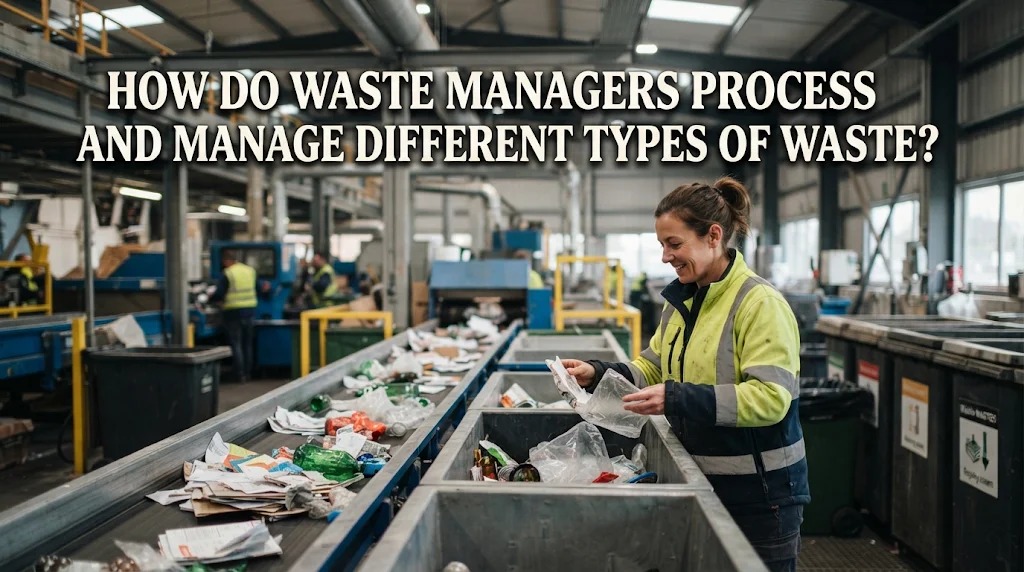
Waste management is an essential activity for maintaining environmental cleanliness, protecting public health, and conserving natural resources. Every day, households, businesses, hospitals, and industries produce different types of waste that require proper handling. These materials cannot all be treated in the same way because each type has different characteristics, risks, and processing requirements. Waste managers are responsible for organizing waste collection, sorting, transportation, treatment, recycling, and final disposal. By applying appropriate waste management methods, they can reduce pollution, prevent health risks, and ensure that recyclable materials are used more efficiently. Understanding how waste managers process different types of waste is important for creating a cleaner and more sustainable environment.
IDENTIFYING AND CLASSIFYING DIFFERENT TYPES OF WASTE
The first step in waste management is identifying and classifying the waste according to its characteristics. Waste managers examine the materials to determine whether they are organic, inorganic, hazardous, or liquid waste. Organic waste includes food scraps, leaves, and other biodegradable materials that can decompose naturally. Inorganic waste consists of materials such as plastic, glass, metal, and certain types of packaging that may be reused or recycled. Proper classification helps waste managers select the most suitable treatment methods for each material.
Hazardous waste requires special attention because it may contain chemicals or substances that can harm humans and the environment. Examples include used batteries, chemical containers, medical waste, and certain industrial residues. Waste managers must identify potential dangers before collecting, storing, or transporting these materials. Some waste also requires specific handling procedures to prevent contamination or dangerous reactions. Accurate classification makes the entire waste management process safer, more organized, and more effective.
COLLECTING, SORTING, AND TRANSPORTING WASTE PROPERLY
After identifying the different types of waste, waste managers organize collection and sorting activities. Waste collection can take place in residential areas, commercial buildings, factories, hospitals, and public spaces. Waste managers arrange collection schedules and provide suitable containers to prevent waste from accumulating. Proper collection systems help maintain cleanliness and reduce the risk of unpleasant odors, pests, and environmental pollution. The collected materials are then transported to designated sorting or treatment facilities.
Sorting is an important process because it separates materials according to their recycling potential and treatment requirements. Plastic, paper, glass, and metal can be separated for recycling, while organic materials can be directed to composting facilities. Hazardous waste must remain separate from ordinary waste to prevent contamination and protect workers. Waste managers also need to use appropriate vehicles and secure containers during transportation. These procedures help ensure that waste reaches the correct processing facility safely and efficiently.
PROCESSING ORGANIC WASTE THROUGH COMPOSTING AND BIOLOGICAL TREATMENT
Organic waste is generally easier to decompose than many other waste materials. It includes food leftovers, fruit peels, vegetable scraps, garden waste, and fallen leaves. Waste managers can process these materials through composting, a natural process that uses microorganisms to break down organic matter. During composting, factors such as moisture, oxygen, temperature, and the balance of materials must be properly controlled. The result is compost that can be used to improve soil quality and support plant growth.
Another method of processing organic waste is anaerobic digestion, which breaks down biodegradable materials in an environment without oxygen. This process can produce biogas, which may be used as a renewable energy source, and digestate that can be treated for potential agricultural use. The choice between composting and anaerobic digestion depends on the type and quantity of organic waste, available facilities, and operational needs. Both methods help reduce the amount of organic waste sent to landfills. They also support resource recovery and more sustainable waste management practices.
RECYCLING AND REUSING INORGANIC WASTE MATERIALS
Inorganic waste requires different processing methods because many materials do not decompose easily in nature. Waste managers separate recyclable materials such as plastic, paper, cardboard, glass, and metal before sending them to recycling facilities. Each material undergoes a specific process depending on its composition and condition. For example, paper is sorted, cleaned, and processed into pulp, while metal can be melted and transformed into new products. Plastic materials may also be sorted by type, cleaned, shredded, and processed into reusable raw materials.
Reusing materials is another important strategy for reducing waste. Items such as containers, furniture, clothing, and certain packaging materials can be used again if they remain safe and suitable. Waste managers can cooperate with recycling companies, community organizations, and waste banks to increase material recovery. These activities reduce the demand for new raw materials and help conserve natural resources. Through recycling and reuse, waste can become a valuable resource instead of being treated only as unwanted material.
HANDLING HAZARDOUS AND INDUSTRIAL WASTE SAFELY
Hazardous and industrial waste requires specialized management because it may contain toxic, corrosive, flammable, or reactive substances. Such waste can come from factories, laboratories, healthcare facilities, workshops, and other industrial activities. Waste managers must identify the hazardous characteristics before deciding how the materials should be handled. Proper storage, suitable containers, warning labels, and protective equipment are essential to prevent accidents and exposure. Workers also need appropriate training to understand safety procedures and emergency responses.
Treatment methods depend on the type and characteristics of the hazardous waste. Some materials may undergo chemical treatment to reduce their harmful properties, while others require physical separation, biological treatment, or specialized thermal processes. Certain hazardous residues may need to be transported to licensed treatment or disposal facilities. Waste managers must also maintain records and follow applicable environmental regulations throughout the process. Proper handling helps prevent soil and water contamination while protecting workers and nearby communities.
TREATING LIQUID WASTE AND MANAGING FINAL DISPOSAL
Liquid waste is commonly produced by households, commercial activities, hospitals, and industrial operations. It may contain organic matter, chemicals, detergents, oils, or other pollutants that can damage aquatic ecosystems if released without proper treatment. Waste managers use wastewater treatment systems to remove contaminants before the water is discharged or reused for suitable purposes. Treatment processes may include screening, sedimentation, biological treatment, filtration, and chemical processes. The specific methods depend on the wastewater characteristics and the required treatment standards.
After recyclable and recoverable materials have been separated, the remaining waste must be managed through appropriate final disposal methods. Residual waste may be sent to engineered landfills designed to control leachate, landfill gas, and other environmental risks. Some suitable non-recyclable waste may also undergo controlled energy recovery when appropriate facilities and environmental safeguards are available. Waste managers must monitor disposal facilities to prevent pollution and ensure compliance with environmental requirements. Effective treatment and final disposal help complete the waste management process while reducing its impact on the environment.
CONCLUSION
Waste managers process and manage different types of waste through identification, classification, collection, sorting, transportation, treatment, recycling, and final disposal. Organic waste can be processed through composting and anaerobic digestion, while inorganic materials can be reused or recycled into new products. Hazardous and industrial waste requires specialized handling to prevent accidents and environmental contamination. Meanwhile, liquid waste must undergo suitable treatment before being discharged or reused. Each process requires proper facilities, trained workers, and compliance with environmental regulations. With effective waste management practices and public participation, waste can be handled more responsibly, natural resources can be conserved, and environmental pollution can be reduced.
Recent Posts

How Does Technology Make Daily Evaluation... 21.11.2026/55 View

Apa Strategi Menghadapi Kesenjangan antara Kompetensi... 21.11.2026/57 View

Mengapa Inventaris Aset Penting bagi Kelancaran... 21.11.2026/51 View

When Should Musicians Join a Record... 21.11.2026/52 View

Daily Evaluation or Daily Planning Which... 21.11.2026/59 View
