

How Do Waste Managers Reduce Environmental Pollution?
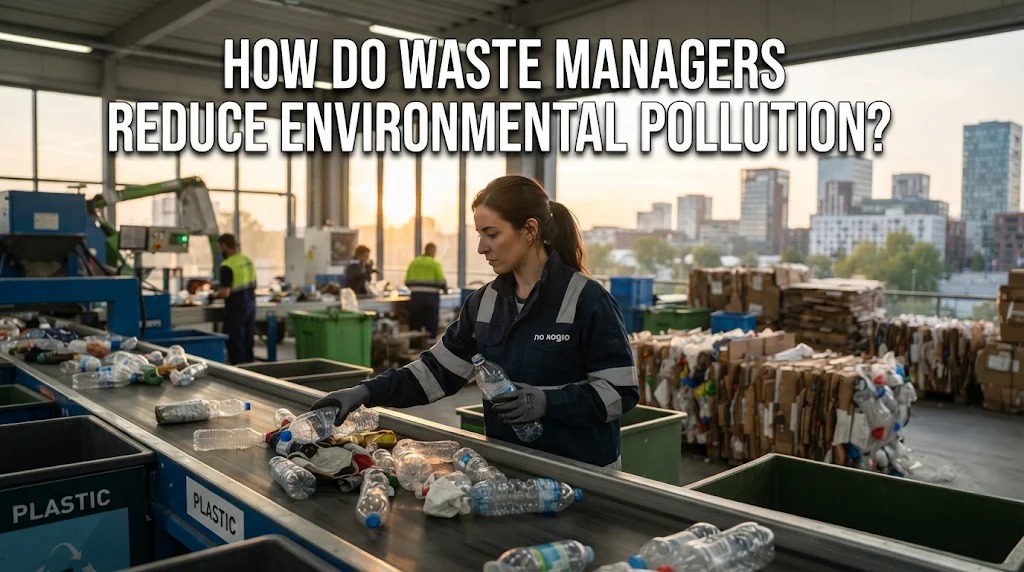
Environmental pollution is a serious problem caused by human activities, including improper waste disposal, industrial operations, and excessive use of harmful materials. Waste managers play an important role in reducing this problem by ensuring that waste is collected, separated, processed, and disposed of safely. Their work helps prevent harmful substances from contaminating the air, water, and soil. They also encourage recycling and responsible waste disposal to reduce the amount of rubbish that damages the environment. Through proper waste management, pollution can be controlled and communities can enjoy cleaner and healthier surroundings.
COLLECTING AND DISPOSING OF WASTE PROPERLY
One of the main ways waste managers reduce environmental pollution is by organizing proper waste collection and disposal. Waste that is left in streets, rivers, empty land, or other unsuitable places can cause unpleasant odors, attract pests, and contaminate the surrounding environment. Waste managers ensure that rubbish is collected regularly and transported to authorized treatment or disposal facilities. They also help prevent illegal dumping by supporting proper waste handling procedures.
Proper disposal is important because different types of waste require different treatment methods. Household rubbish, industrial waste, and hazardous materials cannot always be handled in the same way. By following appropriate procedures, waste managers help prevent dangerous substances from spreading into the environment.
SEPARATING WASTE BASED ON ITS TYPE
Waste separation helps reduce pollution because each type of material can receive the appropriate treatment. Waste managers organize the sorting process by separating organic, inorganic, recyclable, and hazardous waste. Organic materials, such as food scraps and leaves, can be processed through composting. Meanwhile, materials such as paper, plastic, glass, and metal can be collected for recycling.
Hazardous waste requires special handling because it may contain toxic or harmful substances. If mixed with ordinary rubbish, it can contaminate other materials and increase environmental risks. Proper separation makes waste treatment more efficient and reduces the possibility of pollution during transportation and processing.
PROMOTING RECYCLING AND REUSING MATERIALS
Recycling is an effective method of reducing environmental pollution because it allows used materials to become useful products again. Waste managers help organize recycling programs and ensure that recyclable materials are collected and sent to suitable processing facilities. This process reduces the amount of rubbish sent to landfills and decreases the need to extract new raw materials. It can also reduce energy consumption and pollution associated with manufacturing new products.
Waste managers may encourage communities and businesses to reuse containers, paper, packaging, and other materials whenever possible. Reusing products helps extend their useful life and reduces the amount of waste produced. These activities support more responsible consumption and help protect natural resources.
PREVENTING WATER AND SOIL CONTAMINATION
Improper waste disposal can cause harmful substances to enter rivers, groundwater, and soil. For example, chemicals from industrial waste, batteries, and other hazardous materials may contaminate natural resources when they are not handled correctly. Waste managers help prevent this by ensuring that dangerous waste is stored, transported, and treated according to safety requirements. They also monitor waste disposal activities to identify possible sources of contamination.
Proper wastewater treatment is another important part of pollution prevention. Waste managers working in relevant facilities help ensure that wastewater receives suitable treatment before being released into the environment. These efforts reduce the risk of harmful substances reaching water sources and agricultural land.
CONTROLLING AIR POLLUTION AND HARMFUL EMISSIONS
Waste management activities can also help reduce air pollution. Open burning of rubbish releases smoke and harmful substances that can affect human health and air quality. Waste managers help prevent this practice by providing appropriate collection and treatment systems. They also encourage safer alternatives, such as recycling, composting, and controlled waste processing.
At disposal and treatment facilities, waste managers may monitor emissions and apply procedures to reduce harmful gases and odors. Organic waste can produce methane when it decomposes without enough oxygen, particularly in landfills. Proper organic waste management, including composting and suitable landfill gas control, can help reduce these emissions and their contribution to climate change.
EDUCATING COMMUNITIES ABOUT ENVIRONMENTAL RESPONSIBILITY
Waste managers also reduce pollution by teaching people how to manage waste responsibly. They may organize educational programs in schools, neighborhoods, and workplaces to explain the importance of waste separation, recycling, and proper disposal. These activities help people understand that careless waste disposal can damage ecosystems and threaten public health. They also encourage individuals to reduce single-use products and avoid unnecessary packaging.
Community participation makes pollution prevention more effective. When households, businesses, and public institutions follow proper waste management practices, less rubbish is likely to end up in unsuitable locations. Cooperation between waste managers and local communities creates cleaner surroundings and supports long-term environmental protection.
CONCLUSION
Waste managers reduce environmental pollution through proper waste collection, waste separation, recycling, and safe treatment of hazardous materials. They also help protect water, soil, and air quality while educating communities about responsible waste disposal. Their work reduces the harmful effects of waste on human health and natural ecosystems. With consistent waste management practices and public cooperation, environmental pollution can be controlled and a cleaner environment can be maintained for future generations.
Recent Posts

How Does Technology Make Daily Evaluation... 21.11.2026/55 View

Apa Strategi Menghadapi Kesenjangan antara Kompetensi... 21.11.2026/57 View

Mengapa Inventaris Aset Penting bagi Kelancaran... 21.11.2026/51 View

When Should Musicians Join a Record... 21.11.2026/52 View

Daily Evaluation or Daily Planning Which... 21.11.2026/59 View
