

How Do You Write a Memo Announcing a Staff Meeting?
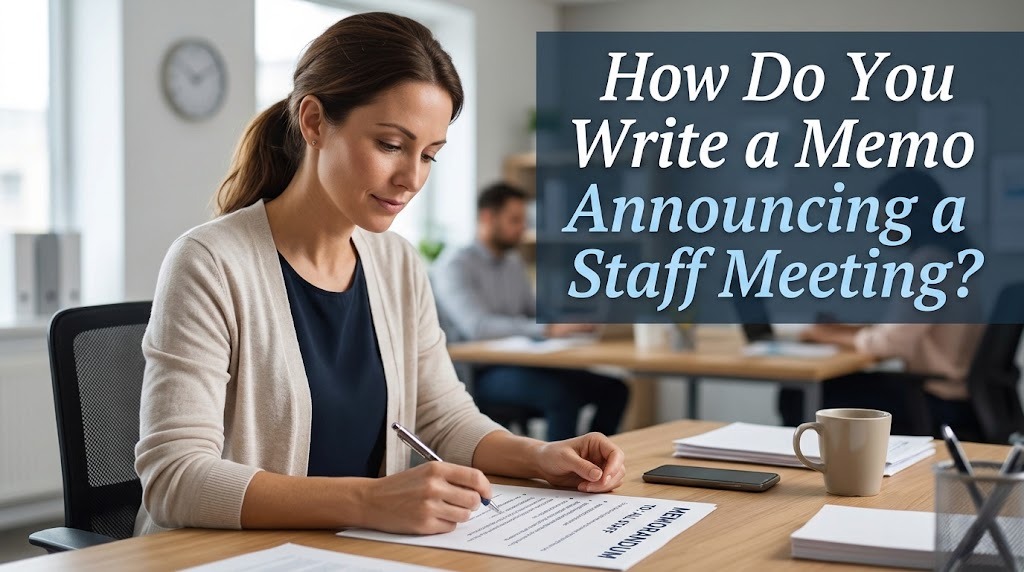
In any dynamic corporate or institutional setting, internal meetings are essential for aligning team objectives, addressing operational challenges, and fostering collaborative decision-making. However, the success of any all-hands or departmental gathering depends heavily on how effectively it is communicated in advance. An official memorandum announcing a staff meeting serves as the primary administrative tool to notify employees, establish the meeting's purpose, and ensure full attendance. Writing a professional meeting announcement memo requires a clear structural layout, accurate logistical details, explicit agenda expectations, and a firm call to action to maximize employee participation and readiness.
A well-crafted announcement memo minimizes scheduling conflicts, reduces last-minute absenteeism, and enables staff members to prepare relevant reports or questions beforehand. This comprehensive guide details the step-by-step methodology for drafting an authoritative, clear, and actionable meeting announcement memo that drives workplace attendance and engagement.
CONSTRUCTING A STANDARDIZED ADMINISTRATIVE HEADER
The first critical step in drafting a meeting announcement memo is setting up a standardized administrative header at the very top of the document. This section establishes immediate administrative context and must include four essential fields: Recipient (TO:), Sender (FROM:), Date (DATE:), and Subject Line (SUBJECT:). Addressing the memo clearly to the appropriate group, such as "All Department Staff" or "Operations Team Members," ensures that the message reaches every intended recipient without delay.
The subject line must be highly specific, direct, and informative so that employees immediately recognize its urgency in their daily workflow. Instead of using generic phrases like "Upcoming Meeting," construct a descriptive subject line such as "Action Required: All-Staff Quarterly Strategy Meeting Announcement." A precise subject line helps busy staff members prioritize the message and calendar the event promptly.
STATING THE LOGISTICAL DETAILS AND PRIMARY PURPOSE
Immediately following the administrative header block, the opening paragraph must disclose the fundamental purpose of the meeting alongside all essential logistical details. Apply the principle of direct communication by stating the date, day, exact start and end times, and physical or virtual location in the very first sentences. Providing clear logistical information eliminates confusion regarding where and when employees are expected to gather.
In the same paragraph, state the primary objective or overarching theme of the meeting, such as evaluating quarterly performance, introducing new corporate software, or discussing departmental restructuring. Disclosing the core reason for the assembly upfront gives staff members immediate context and helps them understand why their attendance is necessary for organizational success.
OUTLINING THE MEETING AGENDA AND PREPARATION REQUIREMENTS
To ensure the meeting is productive and time-efficient, the main body of the memorandum should outline the specific agenda items and topics scheduled for discussion. Detailing the sequence of events allows team members to anticipate the flow of conversation and mental focus required during the session. Clear topic outlines prevent the meeting from veering off-track and ensure all critical points are covered within the allocated timeframe.
Furthermore, explicitly inform staff members of any preliminary preparation they must complete prior to attending the session. If employees need to review financial statements, bring project updates, or submit questions in advance, state these expectations clearly within the narrative text. Providing advance notice empowers team members to arrive fully prepared, transforming the gathering into an active, decision-making forum rather than a passive information dump.
EMPHASIZING ATTENDANCE DIRECTIVES AND SPECIAL INSTRUCTIONS
The next narrative section of your memorandum must clearly articulate the attendance policy and any special instructions regarding the gathering. State whether attendance is mandatory for all addressed personnel or if designated representatives may attend on behalf of certain sub-units. Using an authoritative yet respectful tone reinforces the importance of the event while maintaining a collaborative workplace environment.
Additionally, include any necessary technical or logistical instructions, such as video conference login links, room entry codes, or required check-in times prior to the official start. If a portion of the staff is participating remotely, provide clear guidelines on microphone etiquette and camera requirements. Addressing these practical details in advance prevents technical glitches and ensures a smooth, professional start to the meeting.
CONCLUDING WITH CONTACT INFORMATION AND NEXT STEPS
The final section of your meeting announcement memo should wrap up the message with a polite, professional closing that encourages accountability and open communication. Reiterate the importance of punctuality and active engagement, reminding staff members how their participation contributes to broader institutional goals. A positive and firm conclusion sets an optimistic tone for the upcoming discussion.
Finally, provide direct contact details for the meeting organizer, administrative assistant, or department secretary responsible for managing the attendee list. Instruct employees to report any unavoidable scheduling conflicts, technical difficulties, or accessibility needs to the designated contact person well before the scheduled meeting time. Closing with clear communication channels ensures that all preliminary logistics are resolved seamlessly prior to the event.
CONCLUSION
Writing a memo announcing a staff meeting requires a structured balance of standardized administrative headers, direct logistical purpose statements, detailed agenda outlines, firm attendance directives, and accessible contact information. By following these professional guidelines, managers and administrative officers can issue meeting announcements that eliminate scheduling ambiguities, encourage thorough preparation, and foster high attendance rates. Mastering this essential workplace writing skill ensures smooth internal communication and strengthens overall organizational efficiency.
Recent Posts

Bagaimana Sistem SKS pada Program Kuliah... 22.11.2026/53 View

How Does Technology Make Daily Evaluation... 21.11.2026/82 View

Apa Strategi Menghadapi Kesenjangan antara Kompetensi... 21.11.2026/81 View

Mengapa Inventaris Aset Penting bagi Kelancaran... 21.11.2026/77 View

When Should Musicians Join a Record... 21.11.2026/82 View
